12 citations
,
September 2019 in “BioFactors” This study found that Ginkgolide B and bilobalide from Ginkgo biloba increased dermal papilla cell viability and promoted hair follicle growth in mink models by influencing signaling pathways.
 5 citations
,
February 2010 in “Drug development and industrial pharmacy”
5 citations
,
February 2010 in “Drug development and industrial pharmacy” This study found that vesicles formed with behenyltrimethylammonium chloride, stearic acid, and hinokitiol significantly improved skin permeation of hinokitiol in vitro, which may aid in hair growth promotion.
 4 citations
,
May 2019 in “Zeitschrift für Naturforschung C”
4 citations
,
May 2019 in “Zeitschrift für Naturforschung C” This study found that Ishige sinicola extract stimulated osteoblast differentiation and bone formation in MC3T3-E1 cells, suggesting potential use for osteoporosis prevention and treatment.
 45 citations
,
January 2010 in “Journal of Veterinary Medical Science”
45 citations
,
January 2010 in “Journal of Veterinary Medical Science” This study identified a mutation in the keratin 71 gene that causes curly hair in certain rats, advancing our understanding of hair formation.
October 2025 in “Journal of Neurophysiology” In this study, researchers identified two types of potassium channels, BK and Kv4.2, in rat Merkel cells and reported that these channels play important roles in repolarizing action potentials and maintaining resting membrane potentials, potentially influencing tactile encoding in these cells.
June 2020 in “Zenodo (CERN European Organization for Nuclear Research)” This study suggests that the DNMT3B -579 G>T polymorphism may be a genetic risk factor for colorectal cancer in the Azerbaijani population.
 May 2026 in “Scientific Reports”
 This study found that a bioactive borosilicate glass containing Sr and Cu ions exhibited promising mechanical strength, biocompatibility, and antibacterial activity, particularly the CuSr-1 wt.% composition, suggesting potential for use in orthopedic implants and bone tissue engineering.
 66 citations
,
April 1995 in “The journal of cell biology/The Journal of cell biology”
66 citations
,
April 1995 in “The journal of cell biology/The Journal of cell biology” In this study, researchers reported that a keratinocyte growth factor-Ig fusion protein could specifically detect and localize KGFRs in epithelial tissues, suggesting a method for histochemical detection of growth factor receptors.
 April 2017 in “Journal of Investigative Dermatology”
 This study identified that dominant mutations in the KLHL24 gene cause epidermolysis bullosa through dysregulated autoubiquitination, leading to excessive degradation of keratin 14.
 5 citations
,
March 2019 in “Journal of lipid research”
5 citations
,
March 2019 in “Journal of lipid research” This study reports new fluorogenic ceramidase substrates and highlights RBM14C24:1 as an efficient substrate for neutral ceramidase, while RBM15C18:1 is the best probe for measuring ACER1 and ACER2 activities, potentially aiding high-throughput screening for ceramidase inhibitors.
June 2022 in “Mayo Clinic Proceedings” This case report describes a 69-year-old man diagnosed with stage 3 acute kidney injury secondary to new IgG kappa light chain multiple myeloma, where treatment with bortezomib-based therapy showed potential for kidney function salvage.
12 citations
,
June 2013 in “Gene” This study identified seven gene sequences related to Type III Brush Hair formation in Yangtze River Delta white goats, contributing to our understanding of hair growth and follicle cycles.
15 citations
,
September 2002 in “Journal of Biological Chemistry” This study observed that transgenic mice expressing keratin K10 under bovine K6beta control developed severe oral abnormalities, suggesting keratin composition changes can affect the physiology of epithelial cells, especially in the oral mucosa.
![Antiexudative Effects of Finasteride and a New Pyrazolo[C]Pyridine Derivative GIZh-72 in Acetic Acid-Induced Experimental Peritonitis](/images/assets/10e636c8-32b7-4d90-b645-80e0039c5960/small/4762.jpg) February 2020 in “Bulletin of Experimental Biology and Medicine”
February 2020 in “Bulletin of Experimental Biology and Medicine” Finasteride and GIZh-72 reduce inflammation, with GIZh-72 being more effective.
1 citations
,
November 2016 in “Experimental and Therapeutic Medicine” In this study using guinea pigs, the low-dose 800 nm semiconductor laser was found to effectively treat skin blackheads and coarse pores by promoting hair follicle cell apoptosis, while maintaining PCNA expression levels in sebaceous glands.
January 2011 in “Xibei nongye xuebao” This study found that the K14 promoter exhibited higher activity in skin cell lines compared to other cell lines, while both K14 and K5 promoters were active in all tested cell lines.
 7 citations
,
January 2022 in “Plants”
7 citations
,
January 2022 in “Plants” This study found that extracts from the rice variety Bue Bang 3 CMU, particularly the husk and bran, demonstrated antioxidant, anti-inflammatory, and anti-androgenic properties, suggesting potential use in treating androgenetic alopecia.

In this study, researchers developed de novo designed hetero-bifunctional proteins as an alternative approach for targeted protein degradation, successfully targeting BCL-xL for degradation in cells and inducing apoptosis, which may expand the range of addressable E3 ligases and disease targets.
8 citations
,
August 1987 in “The Journal of Dermatology” This study reports that the monoclonal antibody BKN-1 specifically stained basal cell epithelioma cells and certain normal skin structures, indicating a similarity in keratin expression between the tumor and follicular epithelium below the isthmus portion.
19 citations
,
February 2016 in “Journal of Biological Chemistry” In this study, researchers observed that knocking out KCNQ3 in mice increased firing frequencies in response to stimuli, particularly at slow mechanical indentation velocities, indicating a role in mechanosensory neuron sensitivity.
 131 citations
,
March 2004 in “The American journal of pathology”
131 citations
,
March 2004 in “The American journal of pathology” This study found that modulating BMP activity in transgenic mice affects the development and characteristics of several ectodermal organs, such as skin, hair, and claws, highlighting a stage-dependent influence on organogenesis.
 2 citations
,
January 2023 in “Ceramics International”
2 citations
,
January 2023 in “Ceramics International” In this study, the Cu-doped bioglass composite dressings showed promising results for wound healing and hair follicle regeneration in vitro, with enhanced fibroblast proliferation and vascular growth.
13 citations
,
January 2002 in “Biological chemistry” This study found that hair follicle-specific keratins can form different structural assemblies depending on ionic conditions, with hair cortex keratins requiring physiological salt conditions to form intermediate filaments.
36 citations
,
August 2016 in “The Plant cell” This study found that downregulating PI3K in common bean severely impaired symbiosis with beneficial microorganisms, indicating an essential role for autophagy-related processes in these mutualistic interactions.
 4 citations
,
January 2015 in “Dermatology”
4 citations
,
January 2015 in “Dermatology” This study concluded that using an erbium:YAG laser for calvarium trepanation and granulation tissue induction is comparable to the rose head burr, offering a beneficial alternative method.
 18 citations
,
February 2015 in “Acta Crystallographica Section D: Structural Biology”
18 citations
,
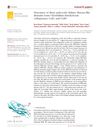
February 2015 in “Acta Crystallographica Section D: Structural Biology” This study reports that Ca 2+ binding alters the dynamics and surface properties of PKD-like domains in Clostridium histolyticum collagenases, enhancing their stability and potentially aiding in collagen-targeting vehicle development.
62 citations
,
January 2009 in “Biochemistry” This study found that both the natural ligand 1alpha,25(OH)(2)D(3) and the synthetic agonist LG190178 bind similarly to the vitamin D receptor's coregulator motifs, suggesting similar biological functions.
August 2001 in “The Journal of Cell Biology” In this study, the researchers identified a third keratin 6 gene in mice and developed a double knockout model that could aid in hair growth research.
4 citations
,
August 2024 in “International Journal of Molecular Sciences” This study found that a combination of natural compounds (escin, bromelain, ginkgo biloba, and sage miltiorrhiza) reduced platelet adhesion to activated endothelium in laboratory settings by inhibiting adhesion molecule transcription and reducing pro-inflammatory cytokines, potentially preventing initial steps of the coagulation cascade.
 March 2026 in “Zenodo (CERN European Organization for Nuclear Research)”
 This publication presents a library of precision geometric medicines that reportedly kill harmful bacteria and fungi while sparing beneficial organisms, using a delivery system that targets pathogens specifically and avoids ecological harm.