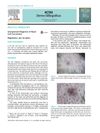
 May 2015 in “Actas Dermo-Sifiliográficas”
 A young man was unexpectedly diagnosed with basal cell carcinoma after a scalp examination and confocal microscopy.
 July 2012 in “Ubaya Repository (University of Surabaya)”
 This study found that hair growth gel and tonic containing red grape seed extract were physically and chemically unstable under high temperature and humidity conditions over 30 days.
 April 2018 in “Journal of Investigative Dermatology”
 This study suggests that weekly oral finasteride may be a promising alternative to isotretinoin for treating nodulocystic acne, showing substantial improvements with lower incidence of sexual dysfunction.
106 citations
,
June 2009 in “BMC Genomics” This study identified specific gene expression profiles during the intestinal regeneration of sea cucumbers, highlighting potential novel genes and advancing the understanding of regenerative biology in echinoderms.
September 2025 in “OPAL (Open@LaTrobe) (La Trobe University)” This study developed a partially automated protocol utilizing hair follicles for DNA extraction in marmosets, achieving reliable whole genome sequencing with low chimerism, offering an efficient alternative to blood for genetic studies in non-human primates.
 38 citations
,
October 2011 in “Analytical biochemistry”
38 citations
,
October 2011 in “Analytical biochemistry” This study used proteomic techniques to analyze human hair proteins, revealing keratin heterogeneity and identifying posttranslational modifications, such as cysteine trioxidation and methylation.
5 citations
,
January 2021 in “Animal Production Science” In this study, 467 genes with differential expression between fine-wool and coarse-wool sheep, particularly those related to lipid metabolism, were identified as potentially influencing wool fibre diameter.
 1 citations
,
November 2024 in “Diabetes Metabolic Syndrome and Obesity”
1 citations
,
November 2024 in “Diabetes Metabolic Syndrome and Obesity” In this study, researchers found that a specific genetic variant in the INSR gene is linked to severe insulin resistance and hyperandrogenemia in type A insulin resistance syndrome, suggesting the benefit of exon sequencing for accurate diagnosis and treatment.
February 2026 in “British Journal of Dermatology” This study found that while tape-strip RNA sequencing effectively profiles surface-connected epithelial compartments of human hair follicles, deeper follicular programs require traditional biopsies, except in cases of alopecia areata, which enhances the technique's follicular reach in capturing inflammatory signatures.
3 citations
,
July 2021 in “bioRxiv (Cold Spring Harbor Laboratory)” This study used scRNA-Seq to map the transcriptional changes during zebrafish hair cell regeneration, revealing distinct phases including injury response, transient regeneration gene activation, and reactivation of developmental programs.

This study investigated dual TCR Treg cells in mouse tissues, revealing a high proportion and diverse pairing patterns compared to single TCR Tregs, providing insights into their origins and characteristics across different tissue locations.
 April 2017 in “Journal of Investigative Dermatology”
 This study reports a new optimized protocol for isolating and labeling single cells from neonatal mouse skin, enabling high-quality single cell RNA sequencing for lineage-specific cell analysis.
10 citations
,
May 2016 in “bioRxiv (Cold Spring Harbor Laboratory)” This study observed that differences in the expression of genes related to lipid metabolism may play a major role in determining wool fiber diameter in sheep.
 1 citations
,
December 2024 in “Methods in molecular biology”
1 citations
,
December 2024 in “Methods in molecular biology” This study described a method using sodium dodecanoate and high levels of reductant to process hair shaft proteomes, allowing analysis of genetic, developmental, and forensic information beneficial to various scientific fields.
 49 citations
,
December 2017 in “Journal of pharmaceutical and biomedical analysis”
49 citations
,
December 2017 in “Journal of pharmaceutical and biomedical analysis” This study developed and validated a high-resolution mass spectrometry method to screen for prohibited substances and analyze six endogenous steroids in urine according to World Antidoping Agency requirements, demonstrating its effectiveness for antidoping analysis.
 13 citations
,
August 2017 in “Scientific reports”
13 citations
,
August 2017 in “Scientific reports” This study designed a 66 K SNP chip using solution hybrid selection for cashmere goats, reporting SNP call rates between 95.3% and 99.8% and demonstrating its utility in genomic analyses, suggesting potential application for other species.
December 2021 in “INDIGO (University of Illinois at Chicago)” This study used single-cell RNA sequencing to characterize 19 distinct cell populations in sheep hair follicles, uncovering differentiation signatures and intercellular communication that may influence wool curvature and sheep breeding.
February 2026 in “Small Ruminant Research” This study found that specific genetic variations in the IRF2BP2 gene influence fleece structure in sheep, with one variant completely determining coat type and another significantly modifying fiber characteristics, providing valuable insights for improving fleece quality through selective breeding.
April 2020 in “International Journal of Cosmetic Science” This study found that improved protein extraction methods enhanced the resolution of hair proteins on gels, but differences in protein abundance between curly and straight Japanese women’s hair were minimal and unlikely to affect hair structure.
1 citations
,
August 1985 in “Proceedings annual meeting Electron Microscopy Society of America” This study discusses using SEM/EDX for elemental analysis of hair samples in forensic science but notes challenges in detecting certain trace elements from raw hair.
January 1990 in “Advances in forensic haemogenetics” This study used one-dimensional SDS electrophoresis to examine low sulfur proteins in hair samples from multiple generations within five families, but does not report new results.
1 citations
,
June 2016 in “DOAJ (DOAJ: Directory of Open Access Journals)” This study found that an Enterobacter isolate demonstrated high resistance to selenate and effective sorption capacity, suggesting potential for bioremediation of selenium-contaminated environments.
8 citations
,
April 2022 in “Nutrients” In this study, Ishige sinicola extract was observed to improve bone density and structure in an animal model of estrogen deficiency-induced osteoporosis, suggesting its potential as a therapeutic option for postmenopausal osteoporosis by inhibiting osteoclast formation without cytotoxic effects.
 June 2025 in “Rapid Communications in Mass Spectrometry”
 In this study, researchers developed a simplified and reliable method to prepare human hair shaft samples, achieving over 75% protein extraction efficiency and improved keratin sequence coverage, with the approach showing high reproducibility across different labs and operators.
 350 citations
,
June 1989 in “The American Journal of Medicine”
350 citations
,
June 1989 in “The American Journal of Medicine” This study suggests that itraconazole may significantly improve therapy for aspergillosis, with 12 out of 15 evaluable patients responding to the treatment.
 85 citations
,
March 2012 in “Revista Brasileira de Farmacognosia”
85 citations
,
March 2012 in “Revista Brasileira de Farmacognosia” This review discusses the pharmacological benefits and chemical compounds of the Sophora genus, noting its traditional use and wide pharmacological actions, but reports no new clinical results.
 63 citations
,
October 2011 in “Archives of Dermatology”
63 citations
,
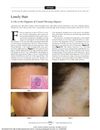
October 2011 in “Archives of Dermatology” Isolated long hairs at the original hairline can help diagnose Frontal Fibrosing Alopecia.
 59 citations
,
September 2007 in “Biochemical and Biophysical Research Communications”
59 citations
,
September 2007 in “Biochemical and Biophysical Research Communications” This study found that a gain-of-function mutation in the TRPV3 channel leads to altered hair development in DS-Nh mice by affecting the anagen and telogen phases, highlighting TRPV3's role in hair growth regulation.
 58 citations
,
January 2003 in “Biological & Pharmaceutical Bulletin”
58 citations
,
January 2003 in “Biological & Pharmaceutical Bulletin” This study identified novel compounds from Bombax ceiba stem bark, including shamimicin, with potent hypotensive effects, and reported that a specific fraction had adverse effects on heart, liver, and kidneys in mice.
 55 citations
,
May 2017 in “Current stem cell research & therapy”
55 citations
,
May 2017 in “Current stem cell research & therapy” In this study, Japanese patients treated with adipose-derived stem cell-conditioned medium for hair regeneration showed positive outcomes, suggesting it may be an effective new therapy for alopecia.