 15 citations
,
December 2014 in “PLoS ONE”
15 citations
,
December 2014 in “PLoS ONE” This study identifies iRhom2 as a crucial regulator of hair follicle differentiation, showing that the iRhom2Uncv mutation leads to dysplasia and reduced TACE maturation, resulting in a hairless phenotype in mice.
 April 2023 in “The journal of investigative dermatology/Journal of investigative dermatology”
 This study found that inhibiting the Mitochondrial Pyruvate Carrier in human hair follicles ex vivo activated the integrated stress response, affecting cell proliferation and metabolism.
128 citations
,
March 1996 in “Journal of Investigative Dermatology” Increased IGF-1R expression is linked to thicker skin growth.
47 citations
,
September 2012 in “Human molecular genetics online/Human molecular genetics” This study suggests that the interaction between folliculin and plakophilin-4 (p0071) may play a role in folliculin's tumor suppressor function by regulating RhoA signaling, impacting cell migration and junction formation.
 10 citations
,
June 2005 in “The journal of investigative dermatology/Journal of investigative dermatology”
10 citations
,
June 2005 in “The journal of investigative dermatology/Journal of investigative dermatology” This study identified FP-1 as a highly specific extracellular matrix protein in follicular papilla cells, which may play a role in hair growth regulation during specific hair cycle phases.
14 citations
,
March 2022 in “Plant Cell & Environment” In this study, the authors reported that AtRXR3, a phosphorus-inducible DUF506 protein, modulates root hair growth under phosphorus stress by interacting with calmodulin and influencing calcium oscillations.
 24 citations
,
February 2015 in “Experimental Cell Research”
24 citations
,
February 2015 in “Experimental Cell Research” This study found that overexpression of the transcription factor NFIC may enhance the proliferation and differentiation of stem cells from the apical papilla, suggesting its potential role in dentin/root regeneration.
50 citations
,
June 1993 in “European journal of biochemistry” This article reviews the regulation of gene expression and assembly of intermediate filaments but presents no new findings.
 1 citations
,
September 2025 in “Frontiers in Immunology”
1 citations
,
September 2025 in “Frontiers in Immunology” In this study, researchers using a Treg-specific HuR-deficient mouse model found that the RNA-binding protein HuR is crucial for stabilizing Foxp3 mRNA, affecting Treg function and immune regulation, with HuR disruption leading to impaired Foxp3 expression and potential autoimmune dysfunction.
 72 citations
,
November 2012 in “PloS one”
72 citations
,
November 2012 in “PloS one” This study found that dysregulation of the folliculin-p0071 interaction may lead to changes in cell adhesion and signaling, contributing to conditions like emphysema and renal cell carcinoma.
15 citations
,
July 2015 in “Developmental Dynamics” This study highlights the role of Orai1 in ameloblast differentiation and maturation, showing that its down-regulation affects cell proliferation and enamel formation during tooth development.
 6 citations
,
August 2024 in “Experimental Dermatology”
6 citations
,
August 2024 in “Experimental Dermatology” This study found that irisin, a myokine, increases hair growth by activating the Wnt/β-catenin pathway, enhancing cell proliferation and hair shaft elongation in both human cell and mouse models.
4 citations
,
May 2022 in “Genes & Diseases” This study found that WISP-1 plays a key role in ligamentum flavum fibrosis through the Hedgehog-Gli1 pathway, with cyclopamine showing potential to reduce fibrosis effects in a rabbit model.
 9 citations
,
July 2022 in “EMBO molecular medicine”
9 citations
,
July 2022 in “EMBO molecular medicine” This study found that targeting IL-6, IL-1, and CCR6 signaling pathways may effectively reduce irradiation-induced alopecia and dermatitis in radiotherapy patients.
January 2020 in “Menoufia Medical Journal” This study found that the expression of IGF-1 receptor was significantly reduced in women with female androgenetic alopecia compared to healthy controls.
 6 citations
,
January 2021 in “Frontiers in Immunology”
6 citations
,
January 2021 in “Frontiers in Immunology” This study found that deficiency in TLR3/TRIF signaling reduced inflammation and protected mice against postoperative ileus, suggesting potential for TLR3 antagonism as a preventive approach in humans.
 October 2025 in “Proceedings of the National Academy of Sciences”
 This study identifies the PI4P-RHD4 module as a key regulator of GET pathway receptor dynamics in Arabidopsis, affecting TA protein insertion and root hair growth.
August 2025 in “BMC Pharmacology and Toxicology” The LTF gene may help predict and manage nonspecific orbital inflammation.
344 citations
,
May 2018 in “EMBO journal” This review discusses the regulation of the MiT-TFE family transcription factors, particularly TFEB, through phosphorylation-mediated subcellular localization and reports no new clinical results.
October 2025 in “Biomolecules” This study found that prolonged intermittent fasting in diet-induced obese mice led to increased levels of inositol monophosphates in white adipose tissue, improved insulin sensitivity, and reduced body weight and fat mass, suggesting a novel metabolic adaptation mechanism.
 19 citations
,
May 2012 in “The journal of investigative dermatology/Journal of investigative dermatology”
19 citations
,
May 2012 in “The journal of investigative dermatology/Journal of investigative dermatology” This study found that mice lacking the type 3 IP(3) receptor in their hair follicles experienced repetitive hair loss and regrowth, indicating disrupted hair-cycle regulation potentially linked to specific signaling pathways.
3 citations
,
October 2019 in “EMBO molecular medicine” This study reports that the nuclear receptor co-repressor 1 (NCoR1) inhibits cardiac hypertrophy by stabilizing the MEF2 and class II HDACs complex, potentially offering a target for new therapies.
5 citations
,
December 2023 in “Current Biology” A feedback loop between LRH and RSL4 controls root hair growth in Arabidopsis.
 September 2025 in “Digital Commons - RU (Rockefeller University)”
 This study found that when NFIB was removed in adult mouse hair follicle stem cells, it did not affect their maintenance but unexpectedly led to increased proliferation and differentiation of nearby melanocyte stem cells.
24 citations
,
February 2011 in “The American journal of pathology” This study found that AIRE, a usually nuclear protein, is expressed in the cytoplasm of human epidermal and follicular keratinocytes and associates with the intermediate filament protein cytokeratin 17, potentially impacting ectodermal abnormalities in APECED syndrome.
July 2026 in “Research Square” May 2026 in “Science Advances” This research observed that translation initiation shifts from cap-dependent to IRES-mediated pathways varied across tissues and cell types under stress and differentiation conditions in mice, with low IRES/Cap ratios signaling high stemness and potential multipotency, mediated by the RNA processing protein PTBP1.
 24 citations
,
July 2017 in “Structure”
24 citations
,
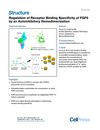
July 2017 in “Structure” In this study, researchers found that ligand homodimerization controls the receptor binding specificity of the FGF9 subfamily, preventing off-target activation of FGFR "b" isoforms.
34 citations
,
August 2019 in “Journal of Allergy and Clinical Immunology” mTORC2 is crucial for healthy skin barrier by regulating lipids and filaggrin.