 8 citations
,
September 2018 in “Journal of Cosmetic Dermatology”
8 citations
,
September 2018 in “Journal of Cosmetic Dermatology” This study found that serum irisin levels were significantly lower in patients with acne vulgaris compared to healthy controls and were negatively correlated with insulin resistance and disease severity.
January 2005 in “Cosmetic Surgery Times” This study reports that the Luce LDS 100 infrared light therapy shows positive hair growth results after one year in men and women with androgenetic alopecia.
This study utilized 3D ultra-high frequency ultrasound to effectively detect different disease phases of alopecia areata by visualizing hair follicle structures and identifying unique pathological signs, offering a promising non-invasive diagnostic tool that surpasses conventional methods.
 2 citations
,
October 2020 in “Journal of Investigative Dermatology Symposium Proceedings”
2 citations
,
October 2020 in “Journal of Investigative Dermatology Symposium Proceedings” This study reports promising preliminary trends in the safety and efficacy of a botanical drug candidate for pediatric alopecia areata, but conclusive results are not yet available.
 August 2008 in “European Neuropsychopharmacology”
 RY-023, a specific drug, can improve early stage memory learning without affecting general activity in rats, but it's less effective for later learning stages and doesn't impact memory recall.
 November 2022 in “The Indian journal of chest diseases & allied sciences”
 This case report documents a rare instance of hair loss associated with isoniazid initiation in a 32-year-old male undergoing antitubercular treatment.
 March 2026 in “Mendeley Data”
 This tool was developed to enhance reproducibility and sensitivity in measuring partial hair regrowth in alopecia areata patients, particularly those undergoing JAK inhibitor therapy, using scalp photographs.
June 2026 in “JEADV Clinical Practice” This review synthesizes cases of biopsy-confirmed alopecia areata occurring in patients using IL-17 or IL-23 inhibitors, suggesting the need for increased awareness and further investigation into this rare adverse event.
 February 2025 in “International Journal of Molecular Sciences”
 In this study using a mouse model, RIPK1 inhibitors were found to delay the onset of alopecia areata, reduce immune cell numbers in affected skin, and increase hair length, indicating a potential therapeutic role in preventing alopecia areata.
 September 2023 in “PubMed”
 This study reviewed baricitinib's efficacy and safety for treating alopecia areata and found that more patients achieved significant hair regrowth with baricitinib compared to placebo in two phase III trials. Mild to moderate side effects were reported, with additional study suggested for long-term effects.
 4 citations
,
April 2020 in “Dermatology practical & conceptual”
4 citations
,
April 2020 in “Dermatology practical & conceptual” This review outlines the practical use of reflectance confocal microscopy in dermatology, detailing its applications and considerations for diagnosing various skin conditions, but reports no new findings.
 3 citations
,
March 2023 in “JAAD case reports”
3 citations
,
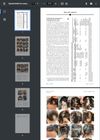
March 2023 in “JAAD case reports” This study describes three cases where patients with recalcitrant alopecia areata achieved complete hair regrowth on the scalp after treatment with upadacitinib, suggesting it may be beneficial for similar cases, especially those with comorbid atopic dermatitis.
 184 citations
,
February 2015 in “EBioMedicine”
184 citations
,
February 2015 in “EBioMedicine” This study observed that baricitinib treatment led to significant improvement in a patient's alopecia areata symptoms and suggests further clinical trials to explore its potential as a treatment.
 January 2025 in “Acta Dermatovenerologica Alpina Pannonica et Adriatica”
 This review discusses the promising role of JAK inhibitors in managing alopecia areata, reporting significant hair regrowth and acceptable safety profiles but noting the need for further research on dosing and long-term safety.
 November 2023 in “JEADV Clinical Practice”
 In this study, adults with severe alopecia areata experienced greater improvements in hair regrowth, health-related quality of life, and reduced anxiety and depression symptoms after 36 weeks of treatment with baricitinib compared to placebo.
 August 2023 in “International journal of research in dermatology”
 This review suggests that oral Janus kinase inhibitors like tofacitinib, ruxolitinib, and baricitinib show promise for treating alopecia areata in adults, both in terms of efficacy and safety.
 223 citations
,
September 2018 in “Rheumatology”
223 citations
,
September 2018 in “Rheumatology” This review examines clinical data on the efficacy and safety of JAK inhibitors used for immune-mediated conditions beyond rheumatoid arthritis, highlighting their potential therapeutic roles in various inflammatory diseases.
 1 citations
,
November 2011 in “Journal of AIDS & Clinical Research”
1 citations
,
November 2011 in “Journal of AIDS & Clinical Research” Raltegravir may cause hair loss in some patients.
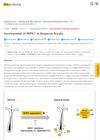
In this mouse model study, researchers observed that RIPK1 inhibitors delayed the onset of alopecia areata by modulating immune cells, specifically dendritic and CD8+ T cells, and increased hair length in organ culture mimicking the condition.
This study found that RXR and RAR proteins were detectable in normal human skin, suggesting they may play a role in epidermal cell differentiation and hair and gland physiology.
3 citations
,
August 2000 in “Anatomia Histologia Embryologia” In this study, prenatal exposure to a non-teratogenic dose of all-trans-retinoic acid showed no adverse effects on vibrissal follicle development in NMRI mice.
July 2025 in “Journal of Investigative Dermatology” Baricitinib stops hair loss and promotes regrowth in alopecia areata.
 127 citations
,
July 2002 in “EMBO journal”
127 citations
,
July 2002 in “EMBO journal” This study found that RXRα/RARγ heterodimers are necessary for retinoic acid-induced keratinocyte proliferation in the skin, while normal epidermal maintenance does not require RAR-mediated signaling.
 3 citations
,
September 2024 in “Dermatology and Therapy”
3 citations
,
September 2024 in “Dermatology and Therapy” Previous alopecia areata treatments do not affect the long-term effectiveness of ritlecitinib.
1 citations
,
July 2026 in “Dermatology and Therapy” In this study, JAK inhibitors for treating alopecia areata and atopic dermatitis were generally well tolerated in a real-world setting, with most adverse events being mild or moderate and rare serious cases resembling the general population incidence.
July 2025 in “Skin Research and Technology” Hsa-miR-193a-5p is important in alopecia areata by promoting inflammation and involving specific genes in hair and immune function.
 February 2023 in “Frontiers in Bioengineering and Biotechnology”
 This review discusses the potential of optical techniques for diagnosing and treating oxidative stress-related hepatic ischemia-reperfusion injury, highlighting the need for non-invasive diagnostic methods and the anti-oxidative potential of optical therapies; it reports no new clinical results.
April 2025 in “Experimental Eye Research” In this study, researchers characterized the retinal structure and function of the Oatrhg mouse model of gyrate atrophy, finding localized atrophy without significant retina-wide functional impact, suggesting the model may be useful for testing new treatments using multimodal retinal imaging.
 June 2023 in “British journal of dermatology/British journal of dermatology, Supplement”
 This study observed that among UK alopecia areata patients seeking JAK inhibitor treatments before public funding, many sourced medication from abroad due to high costs, with variable response rates and significant reliance on social media for information on accessing treatments.
 April 2024 in “Expert opinion on investigational drugs”
 In this study, JAK inhibitors were reported as safe and effective treatments for moderate-to-severe chronic alopecia areata, although the appropriate duration of treatment remains uncertain, as stopping these medications often results in relapse.