 July 2022 in “Media Dermato Venereologica Indonesiana”
 In this case study, a 29-year-old man with alopecia areata experienced satisfactory hair regrowth after five months of combined intralesional triamcinolone acetonide and platelet-rich plasma therapy.
 8 citations
,
May 1941 in “Science”
8 citations
,
May 1941 in “Science” Inositol helped cure hair loss around rats' eyes and improved their growth.
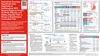 November 2025 in “SKIN The Journal of Cutaneous Medicine”
 This phase 3 trial found that over 50% of adolescents with severe alopecia areata achieved successful hair regrowth after 52 weeks on baricitinib 4-mg, with no new safety concerns reported compared to existing safety profiles.
January 2026 in “Experimental Dermatology” The study suggests that refractory chronic alopecia areata cases have more infiltrating skin resident memory T cells, and using a JAK inhibitor may be an effective treatment option.
 8 citations
,
July 1996 in “Annals of Internal Medicine”
8 citations
,
July 1996 in “Annals of Internal Medicine” This report documented a case of thrombocytopenia and leukopenia linked to the long-term use of itraconazole in a patient with acute myelogenous leukemia.
 1 citations
,
March 2004 in “Journal of the American Academy of Dermatology”
1 citations
,
March 2004 in “Journal of the American Academy of Dermatology” This study reports a strong association between the MICA locus, specifically the MICA∗3-DR∗6-DQ6 haplotype, and Alopecia Areata in families.
2 citations
,
June 2025 in “Journal of Investigative Dermatology” CD8+ T cells re-expressing CD45RA may predict treatment resistance in severe alopecia areata.
In a retrospective clinical study, this research found that baricitinib is effective for alopecia areata, with 42.3% of patients achieving a significant reduction in hair loss by week 36, and 52.4% by week 52, outperforming previous trials.
September 2017 in “Griffith Research Online (Griffith University, Queensland, Australia)” This study found that in a mouse model of Ross River virus-induced joint inflammation, targeting IL-17A and IL-17A/F heterodimers reduced disease severity.
13 citations
,
January 2018 in “International Journal of Trichology” In this study, intralesional triamcinolone acetonide injections were associated with halting the progression of frontal fibrosing alopecia in female patients and showed minimal adverse effects, but the efficacy as sole therapy remains unclear pending further trials.
9 citations
,
May 2002 in “PubMed” This study demonstrated that mice lacking skin-specific RXRalpha expression developed hair follicle degeneration and alopecia, indicating the importance of RXRalpha/VDR heterodimers in maintaining hair follicle homeostasis.
September 2026 in “Apollo Medicine” In this case report, researchers observed that a 35-year-old male with alopecia universalis achieved full regrowth of scalp, eyebrow, and facial hair with oral upadacitinib treatment after previous therapies failed to provide lasting relief.
 13 citations
,
January 2011 in “Lung India”
13 citations
,
January 2011 in “Lung India” This case study observed isoniazid-induced alopecia in a patient, which was confirmed as reversible since hair regrowth resumed after the drug was discontinued.
In these randomized, placebo-controlled trials, patients with alopecia areata who received baricitinib showed significantly higher eyebrow and eyelash hair regrowth rates compared to placebo, with greater responses observed at the 4 mg dose and in those achieving overall scalp hair improvement by Week 52.
 January 2019 in “Journal of Case Reports and Scientific Images”
 This case report describes the treatment of a 12-year-old female with Alopecia Areata using oral azathioprine.
January 2024 in “Pharmacoepidemiology” This study found that patients with rheumatoid arthritis taking tofacitinib had higher rates of serious adverse events compared to those with alopecia areata, highlighting the need for careful assessment when using it off-label for alopecia areata.
August 2026 in “JAMA Dermatology” This study found that upadacitinib significantly improved hair regrowth compared to placebo in adults and adolescents with severe alopecia areata, and demonstrated a positive benefit-risk profile.
 April 2023 in “The journal of investigative dermatology/Journal of investigative dermatology”
 This study shows that IKZF1 and the protein IKAROS may play a role in the development of alopecia areata, based on findings from both mouse models and human scalp tissues.
November 2019 in “Journal of Vertebrate Biology” QIA-64 software can measure straight wire lengths accurately but needs improvement for curved wires and width measurements.
 16 citations
,
November 2009 in “Experimental dermatology”
16 citations
,
November 2009 in “Experimental dermatology” This study found that ionizing irradiation significantly inhibits proliferation and induces apoptosis in human hair follicle keratinocytes, suggesting its potential as a preclinical assay system for testing radioprotectants.
November 2025 in “Informatica” This study introduces a novel image enhancement method that significantly improves the visual quality of low-light sports images by utilizing improved bilateral filtering and the CLAHE algorithm, achieving a 65.24% improvement in color and edge detail preservation compared to state-of-the-art methods on the LOL dataset.
 January 2025 in “Balkan Medical Journal”
 Baricitinib helps regrow hair in severe alopecia areata and is safe, but more research is needed.
 17 citations
,
May 2016 in “Archives of Dermatological Research”
17 citations
,
May 2016 in “Archives of Dermatological Research” This study identified specific reflectance confocal microscopy features that help differentiate scarring from non-scarring alopecia, providing a non-invasive diagnostic tool.
 October 2025 in “Zenodo (CERN European Organization for Nuclear Research)”
 Ritlecitinib may help young adults with severe alopecia areata when ketoconazole doesn't work.

Baricitinib helps keep hair, eyebrows, and eyelashes regrown for 3 years in most people with severe hair loss.
 April 2023 in “Journal of Investigative Dermatology”
 In this study, the KPAI and KP-IGA scoring systems for assessing keratosis pilaris showed excellent interrater and intrarater reliability, offering standardized measures for clinical and research use.
November 2014 in “International Society of Hair Restoration Surgery” This announcement explains the Fellow designation for hair restoration surgeons meeting specific educational criteria, without reporting new research findings.
June 2026 in “Clinical Cosmetic and Investigational Dermatology” This study found that escalating baricitinib to 6 mg daily improved hair loss in 75% of patients with severe refractory alopecia areata who responded poorly to standard treatments, while also noting manageable short-term safety concerns under close monitoring.
June 2025 in “Korean Journal of Pharmacognosy” In a mouse model, this study reported that the compound isoalantolactone significantly improved hair growth and thickness, suggesting its potential as a treatment for hair loss.
 April 2021 in “Journal of Investigative Dermatology”
 This study suggests that rather than inhibiting IL-15, selectively stimulating IL-15Ra-mediated signaling could be beneficial for managing alopecia areata and possibly other inflammatory hair loss conditions, as IL-15 promoted hair growth and maintained immune privilege in human hair follicles.