 21 citations
,
December 2012 in “European journal of pharmaceutics and biopharmaceutics”
21 citations
,
December 2012 in “European journal of pharmaceutics and biopharmaceutics” This study suggests that using particle-bound antiseptics may provide more effective and longer-lasting skin antisepsis compared to their non-particulate forms.
 18 citations
,
January 2008 in “Sen'i Gakkaishi”
18 citations
,
January 2008 in “Sen'i Gakkaishi” This study observed that repeated perm treatments decrease disulfide bonds in hair due to their conversion largely into cysteic acid, affecting the waving efficiency depending on the reduction agent used.
 3 citations
,
October 2018 in “Фармацевтичний часопис”
3 citations
,
October 2018 in “Фармацевтичний часопис” This study examined the use of emulsifiers and preservatives in soft emulsion-type drugs, suggesting that biogenic surfactants could be promising alternatives to synthetic agents that often cause side effects.
1 citations
,
January 1998 in “Cosmetics and toiletries” Both amodimethicone and dimethicone copolyol amine are effective hair conditioners.
October 2018 in “Focus on surfactants” February 2022 in “Cosmetic Dermatology” This review discusses the physiology of hair and various grooming and camouflage techniques, but reports no new clinical results; the authors note the complexity of cleaning hair and effects of different detergents.
 13 citations
,
March 2006 in “International Journal of Cosmetic Science”
13 citations
,
March 2006 in “International Journal of Cosmetic Science” The study found that a polymer treatment changes the charge on hair surfaces, making bleached hair smoother and less porous.
 March 2010 in “Cosmetic Dermatology”
 Hair straightening methods have advanced to improve effectiveness and reduce damage, but still rely on heat and chemicals.
 December 2025 in “Zenodo (CERN European Organization for Nuclear Research)”
 This study developed a herbal-based anti-dandruff shampoo using plant extracts, which demonstrated effective cleaning and anti-dandruff properties without adverse effects compared to synthetic options.
This summary highlights in vitro and in vivo experiments showing that nano-sized liposomes with bound polihexanide penetrate hair follicles more effectively and may extend antiseptic effects longer than conventional polihexanide solutions.
513 citations
,
February 2022 in “Advanced Science” This study demonstrated that incorporating PDA@Ag nanoparticles into a cationic guar gum hydrogel significantly enhanced photothermal conversion efficiency, achieving superior antibacterial efficacy both in vitro and in vivo, advancing the potential of PDA as a photothermal antibacterial agent.

This study demonstrated that the differential wetting characterization (DWC) method can effectively differentiate changes in the wetting properties of hair fibers after chemical or physical treatment.
25 citations
,
May 2008 in “Journal of cosmetic dermatology” This study found that adding certain conditioning agents, including jojoba oil and lauryl PEG/PPG‐18/18 methicone, to ammonium thioglycolate straightening emulsions protected Afro-ethnic hair from protein loss and improved resistance to breakage.
 10 citations
,
April 2019 in “Environmental Science and Pollution Research”
10 citations
,
April 2019 in “Environmental Science and Pollution Research” In this study, selenium-rich diets enhanced antioxidant activity in aged mice, suggesting potential biological benefits, although further trials are needed to fully understand long-term risks and benefits.
 7 citations
,
July 2018 in “International Journal of Applied Pharmaceutics”
7 citations
,
July 2018 in “International Journal of Applied Pharmaceutics” This study found that optimizing chitosan-tripolyphosphate nanoparticles can enhance the sustained percutaneous delivery of caffeine, with certain conditions affecting stability and release rates.
 March 2005 in “Journal of The American Academy of Dermatology”
 Herbal extract improves hair growth in female pattern baldness.
25 citations
,
January 2019 in “Journal of Pharmacy And Bioallied Sciences” This study concluded that the formulated polyherbal shampoo is a chemical-free product with nourishing, conditioning, cleansing, and antimicrobial effects.
17 citations
,
January 2023 in “International Journal of Cosmetic Science” In this study, hydrophobic interactions were found to primarily drive deposition on virgin hair, while electrostatic interactions were more significant for bleached hair, highlighting different target moieties for hair conditioning products.
 2 citations
,
January 2004 in “PubMed”
2 citations
,
January 2004 in “PubMed” This study concluded that Polyquaternium-10 conditioner softens the surface of the scale face on hair fibers.
 8 citations
,
July 2019 in “Pure and Applied Chemistry”
8 citations
,
July 2019 in “Pure and Applied Chemistry” This study identified natural compounds from Iris plants that showed potential as inhibitors of urease and carbonic anhydrase-II enzymes, suggesting their possible use in treating related disorders.
August 2020 in “Prosiding Farmasi” This study reviewed existing literature and reported that 1% Zinc pyrithione in anti-dandruff shampoo effectively inhibits the growth of fungi responsible for dandruff, aligning with the regulatory limits set by Indonesian health authorities.
January 2026 in “Derecho y cambio social.” This narrative review found that fragrances and isothiazolinone preservatives in deodorants are key contributors to skin sensitization, while magnesium hydroxide shows promise as a less irritating alternative for managing body odor without blocking sweat ducts.
 January 1978 in “Yukagaku”
 This study found that using a zinc pyrithione-containing hair rinse significantly reduced dandruff and itching, with effects linked to the amount of zinc pyrithione residue on the hair.
 17 citations
,
July 2018 in “International Journal of Cosmetic Science”
17 citations
,
July 2018 in “International Journal of Cosmetic Science” This study found that keratin-based particles were able to recover and enhance the mechanical properties and thermal stability of virgin and overbleached Asian hair, improving its strength and smoothness by around 40%, and demonstrated safety in human skin keratinocytes.
15 citations
,
March 2019 in “Veterinary Dermatology” This study found that three mousse products containing chlorhexidine and varying antifungal components maintained significant antibacterial activity against S. pseudintermedius in vitro for up to 10 days, while other mousses did not show significant differences.
 December 2025 in “Zenodo (CERN European Organization for Nuclear Research)”
 This study developed a herbal-based anti-dandruff shampoo using a combination of eleven plant extracts and found that it demonstrated safe, stable, and effective anti-dandruff and cleansing properties, without the adverse effects associated with synthetic shampoos.
19 citations
,
May 2010 in “Surface and interface analysis” This study found that a conditioner treatment using 18-MEA combined with a specific cationic surfactant effectively restored hydrophobicity and reduced friction on damaged hair surfaces.
 1 citations
,
August 2017 in “British Journal of Dermatology”
1 citations
,
August 2017 in “British Journal of Dermatology” Sodium hypochlorite can effectively prevent and remove Staphylococcus aureus biofilms in atopic dermatitis at high enough concentrations.
 139 citations
,
February 2014 in “Journal of Advanced Research”
139 citations
,
February 2014 in “Journal of Advanced Research” This review explores the impact of vitamin D deficiency on the skin from a dermatological perspective, but reports no new clinical results.
 10 citations
,
January 2010 in “International Journal of Trichology”
10 citations
,
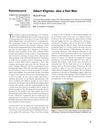
January 2010 in “International Journal of Trichology” Albert Kligman, known for his dermatology research and the discovery of tretinoin, was a significant figure in hair science but faced controversy for inmate experiments.