 March 2026 in “International Ayurvedic Medical Journal”
 This study reported that Gunja (Abrus precatorius Linn.) demonstrates various pharmacological activities, including antifertility, hair growth promotion, immunomodulatory effects, and anticancer properties, supported by its phytochemical composition and analytical advancements, suggesting its potential in Ayurvedic therapeutic applications and future drug development.
December 2025 in “Journal of Pharmacy And Bioallied Sciences” In this case study, Ayurvedic management including Viddhakarma and Nilibhringadi Taila led to significant hair regrowth and improved hair quality in a 37-year-old man with androgenetic alopecia, without adverse effects.
 March 2019 in “Zenodo (CERN European Organization for Nuclear Research)”
 In this study, researchers applied Yashtimadhwadi tail using shirodhara and Nasya karma treatments on sixty patients experiencing hair fall, finding that both methods produced excellent results in reducing symptoms such as hair fall, roughness, and dandruff.
1 citations
,
December 2016 in “Zenodo (CERN European Organization for Nuclear Research)” This study reports that customer satisfaction with Indulekha products largely depends on product quality over cost and emphasizes the need for innovation to maintain market competitiveness.
 15 citations
,
January 2020 in “Experimental Dermatology”
15 citations
,
January 2020 in “Experimental Dermatology” This review outlines the historical and ongoing evolution in understanding and treating alopecia areata, highlighting current research frontiers in genetics, immune mechanisms, and potential new treatments, but reports no new results.
 July 2025 in “Journal of Ayurveda and Holistic medicine.”
 In this study, researchers reported significant improvements in hair follicle diameter, thickness, and reduced hair root gap after treating male pattern hair loss with a regimen of Prachanna, Chitrakadi lepa, and Jeevamrutham lehyam over four months.
July 2025 in “Journal of Ayurveda Case Reports” This case report describes a five-year-old boy with Alopecia Universalis who did not respond to allopathic treatments but showed significant hair regrowth after two months of Ayurveda therapies, suggesting their potential effectiveness for this condition.

This study found that Solanum nigrum L. extracts showed potential as 5 alpha-reductase inhibitors, similar to finasteride, and highlighted their promise for treating androgenic diseases like benign prostatic hyperplasia and male pattern hair loss.
 7 citations
,
June 2010 in “Journal of The American Academy of Dermatology”
7 citations
,
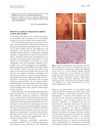
June 2010 in “Journal of The American Academy of Dermatology” This paper reports a single case of lichenoid cutaneous sarcoidosis that was unresponsive to standard treatments but showed marked improvement with the administration of oral tranilast.
 August 2024 in “International Journal of Research in Dermatology”
 In this randomized, double-blind, placebo-controlled study, Indulekha Svetakutaja Hair Oil significantly reduced dandruff severity compared to coconut oil, with a greater reduction in Total Dandruff scores after 4 weeks of treatment, suggesting it is both safe and effective for dandruff management.
 3 citations
,
October 2021 in “International Journal of Research in Ayurveda and Pharmacy”
3 citations
,
October 2021 in “International Journal of Research in Ayurveda and Pharmacy” This study reviewed the pharmacological properties of Priyaladi lepa, an Ayurvedic formulation, and reported its potential anti-dandruff benefits due to anti-inflammatory, anti-fungal, anti-microbial, anti-pruritic, antioxidant, and exfoliation effects, warranting further research for managing Darunaka (dandruff).
2 citations
,
February 2025 in “Journal of Cosmetic Dermatology” In a randomized clinical trial presented in this study, a novel lip hydrant with polyherbal extracts significantly reduced lip roughness and chapped lips compared to petroleum gel over 28 days among Thai participants, although both treatments improved perceived lip dryness.
2 citations
,
June 2023 in “Research in Pharmaceutical Sciences” Bhamrung-Lohit may help with inflammation and oxidation.
 June 2025 in “International Journal of Research in Dermatology”
 This study found that Indulekha Bringha Ayurvedic hair oil significantly increased hair density and reduced hair fall in healthy Indian adults experiencing hair loss, with results evident from the first month of use and enhancing over a four-month treatment period.
 May 2026 in “International Research Journal of Ayurveda & Yoga”
 This review explores the Charaka samhita's concept of Ashtanindita purusha, identifying eight physical constitutions traditionally regarded as undesirable due to their association with various diseases, and aims to correlate these with contemporary genetic, endocrinological, and metabolic disorders.
6 citations
,
May 2023 in “Molecules” In this study, dry powder inhalers containing Cepharanthine were administered to rats with acute lung injury, significantly reducing pulmonary edema, hemorrhage, and inflammatory markers, suggesting its potential as an effective anti-inflammatory treatment when inhaled directly into the lungs.
 3 citations
,
April 2021 in “Chemical & Pharmaceutical Bulletin”
3 citations
,
April 2021 in “Chemical & Pharmaceutical Bulletin” This study found that indole glycosides from Calanthe discolor Lindl. can significantly promote the proliferation of human hair follicle dermal papilla cells, potentially through upregulating specific growth factors.
July 2024 in “Journal of Investigative Dermatology” INTASYL is a promising, adaptable RNAi technology for treating skin cancers.
2 citations
,
November 2024 in “International Journal of Pharmaceutics X” In this study, desmopressin-loaded elastic liposomes (ODEL1) showed improved permeation and drug deposition across rat skin by altering the skin's cohesive energies and causing reversible changes on its surface.
 January 2026 in “Frontiers in Bioscience-Landmark”
 This study reported that, in a laboratory setting, araliadiol derived from Centella asiatica activated antioxidant pathways, mitigating urban particulate matter-induced oxidative stress and skin damage.
16 citations
,
December 2001 in “The Journal of Dermatology” In this case report, a woman experienced complete hair regrowth after anagen effluvium and lichenoid eruptions, possibly due to early corticosteroid intervention after INH was withdrawn.
 39 citations
,
August 2017 in “Colloids and Surfaces B: Biointerfaces”
39 citations
,
August 2017 in “Colloids and Surfaces B: Biointerfaces” This study found that 50-nm PLGA nanoparticles delivered with iontophoresis enhanced skin permeation of indomethacin in rats more effectively than 100-nm nanoparticles, suggesting improved targeting of hair follicles.
2 citations
,
November 2023 in “Indian Dermatology Online Journal” In this case report, a 4-year-old Indian girl with linear and annular lupus panniculitis of the scalp achieved complete remission and hair regrowth with oral corticosteroids, showing no relapse after 6 months of follow-up.
 February 2026 in “Indian Journal of Dermatology”
 This case report found that a 48-year-old woman with idiopathic twenty-nail dystrophy experienced significant improvement in nail appearance after six months of treatment with oral Upadacitinib.
 1 citations
,
December 2025 in “Iraqi Journal of Pharmaceutical Sciences ( P-ISSN 1683 - 3597 E-ISSN 2521 - 3512)”
1 citations
,
December 2025 in “Iraqi Journal of Pharmaceutical Sciences ( P-ISSN 1683 - 3597 E-ISSN 2521 - 3512)” This study investigated spanlastic nanovascular drug delivery systems and found that they can effectively enhance the transport and continuous release of medicines with small particle size, low polydispersity index, and satisfactory entrapment efficiency, showing potential as carriers for drug delivery.
August 2025 in “International Ayurvedic Medical Journal” The authors concluded that, in this case study, Dhatri Lauha, Brahma Rasayana, and Asthiposhaka Vati effectively managed hair fall without adverse reactions.
 19 citations
,
January 2000 in “Biological and Pharmaceutical Bulletin”
19 citations
,
January 2000 in “Biological and Pharmaceutical Bulletin” In this study, the researchers observed that the transdermal permeation mechanisms of diclofenac salts differ based on counterions, with varying pathways and routes for passive and iontophoretic transport.
 11 citations
,
January 2020 in “Micro and Nanosystems”
11 citations
,
January 2020 in “Micro and Nanosystems” This study found that transethosomal gel loaded with propranolol hydrochloride prolonged drug release and increased peak plasma concentration compared to an oral tablet, suggesting a promising alternative for delivery.