December 2015 in “OPAL (Open@LaTrobe) (La Trobe University)” In human hair follicle keratinocytes, this study found that treatment with the pharmacological inhibitor QLT0267 led to a strong inhibition of proliferation and migration and induced nearly 100% apoptosis.
14 citations
,
July 2019 in “Journal of Investigative Dermatology” In this study, targeted inactivation of the integrin-linked kinase gene in melanoblasts led to defects in cell migration, proliferation, and ability to populate the skin, implicating an integrin-linked kinase-Rac1 connection in melanocyte function.
 10 citations
,
May 2012 in “Cell Adhesion & Migration”
10 citations
,
May 2012 in “Cell Adhesion & Migration” This study found that ILK/ELMO2 complexes in epidermal keratinocytes are selectively activated by epidermal growth factor to induce cell migration, unlike with other growth factors.
 2 citations
,
July 2004 in “Proceedings of SPIE, the International Society for Optical Engineering/Proceedings of SPIE”
2 citations
,
July 2004 in “Proceedings of SPIE, the International Society for Optical Engineering/Proceedings of SPIE” This study found that multiple treatments combining NIR laser phototherapy with ICG significantly reduced inflammation and improved skin condition in acne without side effects.
 January 2026 in “Frontiers in Immunology”
 This review highlights icariin’s potential to regulate macrophages in varying conditions, discussing its effects on macrophage polarization, metabolism, and disease mechanisms, and noting the development of delivery systems to enhance its therapeutic impact.
October 2022 in “The Laryngoscope” The InCISE score is a promising tool for assessing wound healing in head and neck surgery but needs more research for broader use.
1 citations
,
January 2023 in “Pediatric Dermatology” This case study of a neonate with ichthyosis and ILVASC demonstrates how an interdisciplinary approach facilitated a timely genetic diagnosis and management of complications.
March 2026 in “Journal for ImmunoTherapy of Cancer” This paper reports insights from an Expert Panel convened by the Society for Immunotherapy of Cancer on managing immune-related adverse events (irAEs) following immune checkpoint inhibitor therapy, highlighting surveillance gaps and the need for a comprehensive irAE registry to improve post-treatment care for cancer survivors.
40 citations
,
July 2015 in “Kidney International” This study found that blocking interleukin-3 improved lupus nephritis symptoms in MRL/Ipr mice, suggesting IL-3 may play a role in the disease's progression.
 September 2019 in “Rheumatology advances in practice”
 This case study highlights the difficulties in diagnosing and treating interstitial lung disease, emphasizing the complex nature of ILD management and the need for further research and clearer guidelines.
 1 citations
,
October 2023 in “Skin research and technology”
1 citations
,
October 2023 in “Skin research and technology” This study found that line-field confocal optical coherence tomography effectively visualized key diagnostic features of classic lichen planopilaris in real time, suggesting its potential as a valuable diagnostic tool.
 108 citations
,
December 2003 in “Lasers in surgery and medicine”
108 citations
,
December 2003 in “Lasers in surgery and medicine” This study found that combining near-infrared laser phototherapy with indocyanine green application may improve acne vulgaris by reducing active lesions and inflammation without side effects.
 March 2026 in “SKIN The Journal of Cutaneous Medicine”
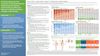
 This study demonstrated that litifilimab significantly reduced disease activity in cutaneous lupus erythematosus by Week 16, with improvements most notable in sunlight-exposed skin areas.
 August 2023 in “The journal of investigative dermatology/Journal of investigative dermatology”
 This study reports that a patient with rare linear lichen planopilaris experienced complete hair regrowth after 12 weeks of treatment with the antibody ixekizumab, suggesting it as a potential targeted therapy.
This study demonstrated that the IVL-DrugFluidic® platform is effective for mass-producing finasteride-loaded polymeric microspheres for long-acting injectables, maintaining stable drug release without an initial burst for a month.
 October 2020 in “Our Dermatology Online”
 This case report highlights how chronic bacterial folliculitis may contribute to persistent inflammation in lichen simplex chronicus and emphasizes the value of DIF and IHC in diagnosing obscure cases.
6 citations
,
January 2022 in “Lara D. Veeken” This narrative review discusses the role and importance of rheumatologists in managing autoimmune interstitial lung disease and emphasizes the need for enhanced collaboration with respiratory physicians to improve diagnosis, management, and outcomes; no new clinical results are reported.
 April 2018 in “Journal of Investigative Dermatology”
 This study found that DC-HIL+ myeloid derived suppressor cells are increased in the blood and skin of patients with cutaneous lupus erythematosus and show immunosuppressive properties.
20 citations
,
July 2017 in “Journal of Investigative Dermatology” IL-1 receptor absence in mice leads to skin cysts and changes in immune response after UVB exposure.
 206 citations
,
September 2010 in “PLoS ONE”
206 citations
,
September 2010 in “PLoS ONE” This study found that using a Picosecond IR Laser (PIRL) on mouse skin led to less tissue damage and scarring compared to conventional surgical lasers and tools.
 1 citations
,
September 2023 in “Applied sciences (Basel)”
1 citations
,
September 2023 in “Applied sciences (Basel)” This study found that Ishige sinicola ethanol extract and its butanol fraction can protect against lipopolysaccharide-induced muscle atrophy in C2C12 myotubes through antioxidant and anti-inflammatory activities.
6 citations
,
December 2021 in “Journal of Clinical Medicine” This study introduced the Lichen Planus Activity and Damage Index (LiPADI), which effectively assesses the severity and progression of lichen planus, aligning well with other clinical indicators.
 April 2023 in “Journal of Investigative Dermatology”
 This study found that the oral IRAK4-inhibitors BAY 1834845 and BAY 1830839 reduced skin inflammation and systemic inflammatory responses in healthy volunteers, showing similar pharmacodynamic effects to prednisolone when challenged with topical imiquimod and intravenous LPS.
July 2026 in “Industrial Crops and Products” This review highlights the potential of Illicium verum in enhancing bioactive compound efficacy and stability through nanotechnology, despite challenges in physicochemical limitations and regulatory hurdles.
 January 2025 in “Clinical Dermatology Review”
 In this case report, a 16-year-old female with Netherton syndrome, a rare genetic disorder, exhibited symptoms such as skin issues, hair abnormalities, and elevated serum IgE levels. The diagnosis was supported by skin biopsy, and treatment included topical therapies, NB-UVB, and infliximab.
 August 2024 in “Journal of Cosmetic Dermatology”
 This study explored the effectiveness of injectable treatments for androgenetic alopecia, finding that dutasteride and growth factor formulations achieved clinically significant results compared to controls like saline and topical minoxidil, within selected trials from 2000 to 2023.
 April 2018 in “Journal of Investigative Dermatology”
 In this study, researchers reported that IL-17C plays a key pro-inflammatory role in human skin diseases and may be a promising therapeutic target for inflammatory skin conditions.
3 citations
,
October 2020 in “UNC Libraries” This article discusses the SLICC's revision and validation of the ACR SLE classification criteria to enhance clinical relevance and integrate recent immunological insights, but does not report new clinical results.
 January 2026 in “Clinical Cosmetic and Investigational Dermatology”
 This study found that targeting both hormonal and immune pathways improved treatment outcomes in androgenetic alopecia patients with an under-recognized inflammatory component called PIILIF, which may contribute to treatment resistance.