 179 citations
,
December 2004 in “Journal of The American Academy of Dermatology”
179 citations
,
December 2004 in “Journal of The American Academy of Dermatology” This study observed that frontal fibrosing alopecia in postmenopausal women involves selective follicular inflammation, and finasteride treatment may slow disease progression, suggesting a potential androgen-related component.
69 citations
,
January 2009 in “Advances in Materials Science and Engineering” This study demonstrated that keratin can be effectively extracted from wool using alkaline solutions and that the extracted keratin maintains reactivity similar to that from other low-value sources like cattle hair.
2 citations
,
March 2011 in “International Journal of Dermatology” This case report describes an 18-year-old male with IFAP syndrome, confirmed by total hair loss, severe photophobia, and characteristic skin changes, marking a rare presentation of the condition.
 29 citations
,
May 2011 in “Journal of Cataract and Refractive Surgery”
29 citations
,
May 2011 in “Journal of Cataract and Refractive Surgery” This case report suggests a possible association between long-term finasteride use for male pattern baldness and the development of cataracts and intraoperative floppy-iris syndrome in a patient.
This study found that the Arabidopsis thaliana protein Formin 2 localizes to plasmodesmata and is crucial for regulating their permeability by anchoring actin filaments, which affects virus susceptibility.
 March 2026 in “Collagen and Leather”
 This study found that a newly developed supramolecular FPC hydrogel effectively promotes wound healing through its anti-inflammatory and angiogenic properties, making it a promising material for wilderness first aid due to its storage convenience, sprayability, and ability to speed up wound recovery.
 April 2023 in “Journal of Investigative Dermatology”
 In this study, researchers discovered that fat grafting helps reduce dermal fibrosis in radiation-injured mouse skin by decreasing specific fibroblast subpopulations associated with Fra/c-Jun signaling.
 11 citations
,
May 2023 in “Journal of Cutaneous Medicine and Surgery”
11 citations
,
May 2023 in “Journal of Cutaneous Medicine and Surgery” This study found that combining plasma rich in growth factors with conventional treatment significantly improved hair regrowth and reduced symptoms in patients with frontal fibrosing alopecia compared to conventional treatment alone.
 12 citations
,
July 2017 in “Journal of cosmetic dermatology”
12 citations
,
July 2017 in “Journal of cosmetic dermatology” This study suggests that infrared thermography may be a useful noninvasive tool for diagnosing active phases of frontal fibrosing alopecia when combined with dermoscopy.
January 2023 in “Zenodo (CERN European Organization for Nuclear Research)” This abstract discusses the FitSpresso weight loss supplement's potential benefits and mechanisms but provides no clinical research findings; it reports on its ingredients and consumer ratings instead.
 14 citations
,
March 2023 in “Scientific Reports”
14 citations
,
March 2023 in “Scientific Reports” This study found that in women with polycystic ovary syndrome, PCOS phenotype and oxidative stress markers were significantly related to free androgen index levels, but insulin resistance was not.
 4 citations
,
April 2024 in “Cellular and Molecular Biology”
4 citations
,
April 2024 in “Cellular and Molecular Biology” In this study, injectable platelet-rich fibrin (i-PRF) was found to enhance the proliferative, migratory, and hair-inducing abilities of dermal papilla cells more effectively than platelet-rich plasma through the TGF-β/Smad pathway.
 November 2025 in “International Society of Hair Restoration Surgery”
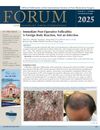
 This article reviews immediate post-operative folliculitis, emphasizing its self-limiting nature and differentiation from infective folliculitis, but it reports no new clinical findings.
 April 2017 in “Journal of Investigative Dermatology”
 Psoriasis patients experience moderate functional impairment related to disease severity and less satisfaction.
February 2026 in “Small Ruminant Research” This study found that specific genetic variations in the IRF2BP2 gene influence fleece structure in sheep, with one variant completely determining coat type and another significantly modifying fiber characteristics, providing valuable insights for improving fleece quality through selective breeding.
9 citations
,
January 2023 in “Journal of Clinical Medicine” This study presents a validated questionnaire, the FFA-QLI, which effectively assesses and differentiates the quality of life impact among patients with frontal fibrosing alopecia, showing greater sensitivity in identifying severe cases than the DLQI.
6 citations
,
January 2014 in “Genetics and Molecular Research” This study constructed a hair follicle-specific expression vector for IGFBP-5 in Inner Mongolia Cashmere goat cells, allowing for future functional genetic analyses and potential use in nuclear transfer.
 49 citations
,
January 2003 in “Clinical and Experimental Dermatology”
49 citations
,
January 2003 in “Clinical and Experimental Dermatology” This report from the UK reviews the literature on post-menopausal frontal fibrosing alopecia and highlights its under-recognition and distinctive characteristics compared to lichen planopilaris, but does not provide new results.
20 citations
,
January 2014 in “International Journal of Oral and Maxillofacial Surgery” This study found that using superficial temporal fascia as an interposition barrier is effective in reducing the incidence of Frey syndrome following superficial parotidectomy, compared to no barrier.
 5 citations
,
January 2021 in “IEEE Access”
5 citations
,
January 2021 in “IEEE Access” In this study, researchers demonstrated that treating platelet rich plasma with microsecond pulsed electric fields effectively activates platelets and induces similar or higher growth factor release compared to traditional bovine thrombin, suggesting a potential clinical use that may be more cost-effective and practical.
September 2023 in “Journal of the American Academy of Dermatology” This study found a high concordance between subject-reported and clinician-reported Fitzpatrick Skin Phototypes, but 14% of subjects misjudged their skin type, often overestimating it.
 January 2015 in “Hair transplant forum international”
 This snippet mentions an increase in women seeking surgical hair restoration and subsequently encountering more cases of frontal fibrosing alopecia, but the abstract doesn't contain results or conclusions.
 July 2026 in “Zenodo (CERN European Organization for Nuclear Research)”
 This study found that women with female pattern hair loss had significantly lower serum IGF-1 levels than controls, suggesting a possible role for IGF-1 in this condition.
 December 2021 in “Research Square (Research Square)”
 This study found that repeatedly collecting hair follicles from individuals with fragile X syndrome is feasible for measuring FMR1 and FMRP levels in both home and office settings.
 December 2022 in “Journal of neurodevelopmental disorders”
 This study observed that repeated hair follicle sampling is feasible and reliable for measuring FMR1 mRNA and FMRP in individuals with Fragile X syndrome, supporting its use in longitudinal studies.
2 citations
,
July 2025 in “Journal of the European Academy of Dermatology and Venereology” This study involved 69 hair experts using a Delphi process to achieve consensus on treating frontal fibrosing alopecia, finding strong agreement on disease monitoring but less on physical and systemic therapies, indicating the need for more research.
June 2025 in “Journal of Ultrasound in Medicine” This study reports that high-frequency ultrasound can characterize frontal fibrosing alopecia by assessing dermal atrophy, hair follicle changes, and subclinical inflammation.
 23 citations
,
September 2020 in “Journal of Cosmetic Dermatology”
23 citations
,
September 2020 in “Journal of Cosmetic Dermatology” This review discusses the potential applications of injectable platelet‐rich fibrin in various conditions and reports no new clinical results; the authors highlight its favorable use in comparison to existing treatments.
 July 2026 in “Zenodo (CERN European Organization for Nuclear Research)”
 This study found that women with female pattern hair loss had significantly lower serum IGF-1 levels compared to controls, but no significant association between IGFBP-3 levels and hair loss severity was observed.
 14 citations
,
December 2010 in “Journal of human genetics”
14 citations
,
December 2010 in “Journal of human genetics” This study identified a severe MBTPS2 gene mutation in a Japanese patient with IFAP syndrome, suggesting other factors may influence the varied clinical severity of the condition.