19 citations
,
September 2006 in “Journal of Pediatric Gastroenterology and Nutrition” In this case study, a 12-year-old girl with severe Crohn colitis achieved impressive clinical and endoscopic remission after receiving infliximab and azathioprine as first-line treatment, suggesting potential benefits of early intensive therapy.
 September 2015 in “Journal of Steroids & Hormonal Science”
 This study reports a significant reduction in hair loss and other androgen-related signs in hyperandrogenism patients using inositol supplementation, although further research is needed to confirm these findings.
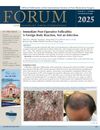 November 2025 in “International Society of Hair Restoration Surgery”
 This article reviews immediate post-operative folliculitis, emphasizing its self-limiting nature and differentiation from infective folliculitis, but it reports no new clinical findings.
This study found changes in the PGI2 pathway, especially in gene and protein expression, in diabetic mice, but did not observe PGI2-dependent vasomotor dysfunction.
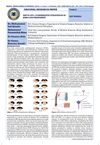 November 2025 in “PARIPEX-INDIAN JOURNAL OF RESEARCH”
 GFC is more effective than PRP for treating hair loss.
This study found that treating sheep hair follicles with IGFⅠ and EGF stimulated growth, with EGF also accelerating cell differentiation and altering the growth cycle.
 13 citations
,
September 2019 in “Scientific Reports”
13 citations
,
September 2019 in “Scientific Reports” In this study, high levels of the protein Flii in mice were associated with worsened symptoms and inflammation in ulcerative colitis, suggesting Flii may inhibit mucosal healing.
 December 2024 in “Biological and Clinical Sciences Research Journal”
 In this study, injectable platelet-rich fibrin (I-PRF) was found to be more effective than platelet-rich plasma (PRP) at improving hair growth outcomes and patient satisfaction for androgenic alopecia.
 29 citations
,
August 2017 in “Skin appendage disorders”
29 citations
,
August 2017 in “Skin appendage disorders” This study found that IGF-1 likely plays a crucial role in regulating hair growth and alopecia, with balding scalp follicles secreting less IGF-1 than nonbalding counterparts.
 December 2024 in “Cermin Dunia Kedokteran”
 This source highlights that intraocular foreign bodies are urgent ophthalmologic emergencies requiring prompt diagnosis and treatment to prevent blindness and eye loss, with most cases involving the posterior segment of the eye.
 January 2016 in “International journal of reproduction, contraception, obstetrics and gynecology”
 This study found that the IGF2 gene Apa1 A820G polymorphism is associated with an increased risk of developing PCOS in the studied population.
 June 2026 in “Springer Link (Chiba Institute of Technology)”
 This study found that fibroblast growth factors exhibit significant expression differences in the skin of rodents and primates, which may be linked to their evolutionary and environmental adaptations.
 June 2013 in “Faculty Opinions – Post-Publication Peer Review of the Biomedical Literature”
 A substance called FGF9 from certain immune cells can trigger new hair growth during wound healing in mice, but humans may not have the same response due to fewer of these cells.
 April 2023 in “Journal of Investigative Dermatology”
 This study found that treprostinil, a prostacyclin analog, significantly delayed fibroblast migration from healthy donors but did not affect fibroblast migration derived from diabetic foot ulcers.
 February 2026 in “Clinical Cosmetic and Investigational Dermatology”
 This case study reports significant hair regrowth in a 29-year-old female with filler-induced alopecia after treatment with concentrated growth factor injections, suggesting it as a promising alternative therapy to standard hyaluronidase injections.
158 citations
,
February 2012 in “Journal of Investigative Dermatology” FGF18 helps keep hair in its resting phase, affecting hair growth cycles.
4 citations
,
June 2024 in “British Journal of Dermatology” This study found that treatment with EGFR inhibitors or mitogen-activated kinase inhibitors may compromise the immune privilege of human scalp hair follicles, suggesting new directions for managing drug-induced folliculitis.
 August 2018 in “Reactions Weekly”
 Two men experienced hair regrowth while being treated with immune globulin for other health issues, but there were also side effects.
2 citations
,
January 2023 in “PubMed” This review discusses the potential role of FGF5 as a therapeutic target in prostate cancer and other conditions but reports no new results, highlighting a need for further research on FGF5 inhibitors.
January 2020 in “프로그램북(구 초록집)” This study found that treating androgenetic alopecia patients with microneedle-delivered GFC containing FGF5s and NMN increased hair density and diameter compared to normal saline.
 3 citations
,
December 2019 in “Journal of Cosmetic and Laser Therapy”
3 citations
,
December 2019 in “Journal of Cosmetic and Laser Therapy” This study found that plasma rich in growth factors showed promising results for increasing hair number and thickness in androgenic alopecia patients, with better outcomes after multiple injections.
This study found that the Arabidopsis thaliana protein Formin 2 localizes to plasmodesmata and is crucial for regulating their permeability by anchoring actin filaments, which affects virus susceptibility.
February 2023 in “International journal of molecular sciences” This study used infrared spectral imaging to show for the first time the distribution of glypican-4 and glypican-6 in hair follicles across different growth phases, highlighting the potential of this technique for studying alopecia.
15 citations
,
November 2024 in “Journal of Advanced Research” In this study, researchers found that miR-3606-3p is significantly downregulated in skin fibrosis and correlates with disease severity, with its ability to inhibit key signaling pathways suggesting potential therapeutic applications for conditions like systemic sclerosis and keloids.
23 citations
,
December 2008 in “Current medicinal chemistry” This study reports that stimulating sensory neurons with capsaicin and isoflavone increases IGF-I production, promoting hair growth in mice and human volunteers with alopecia.
 February 2026 in “Clinical Cosmetic and Investigational Dermatology”
 In this study, the authors emphasize that IFK, though rare in young patients, should be considered when diagnosing scalp lesions in all age groups, highlighting the importance of recognizing its dermoscopic and histopathologic features to avoid misdiagnosis and ensure proper management.
10 citations
,
July 2019 in “Advances in Wound Care” This study suggests that Flightless I may inhibit the activation of epidermal stem cells during wound repair by disrupting Wnt/β-catenin signaling, potentially delaying wound reepithelialization.
 39 citations
,
May 2014 in “Frontiers in Pharmacology”
39 citations
,
May 2014 in “Frontiers in Pharmacology” In this study, CD4+CD25+FoxP3+ Regulatory T cells were found to reduce TGF-b1 induced lung fibrosis and fibrocyte accumulation in mice, partly by suppressing fibroblast growth factor 9.
 2 citations
,
August 2022 in “Emergency medicine international”
2 citations
,
August 2022 in “Emergency medicine international” This study found that a key gene signature, including FGF11, highlights the immunologic nature of keloid lesions, distinguishing them from normal fibroblasts and scars.

This study found that injecting growth factor concentrates into the scalp of five patients with androgenic alopecia led to notable improvements in hair density and quality over eight weeks, with patients reporting satisfaction and minimal side effects.