 February 2026 in “Molecular Imaging and Radionuclide Therapy”
 In this study, male patients treated with 150 mCi of radioactive iodine showed no negative impact on fertility, but long-term studies with larger groups are needed to further assess hormonal effects and sperm health after this treatment.
 December 2025 in “Bolu Abant Izzet Baysal Universitesi Tip Fakultesi Abant Tip Dergisi”
 In this experimental study on rats, the researchers reported that administering minoxidil did not have significant electrophysiological or histopathological effects on penicillin-induced epilepsy, although future studies with larger sample sizes are recommended for more definitive conclusions.
 December 2025 in “Doğu Fen Bilimleri Dergisi”
 In this study, researchers found that the expression of vimentin, desmin, and laminin in rat skin contributes to cell structure and tissue integrity, with varying reactions across different cell types.
In this review, researchers highlighted the use of essential oils, praised for their antimicrobial and anti-inflammatory effects, in treating a variety of conditions, and noted their emerging role in dermocosmetics for issues like hyperpigmentation, acne, and skin aging.
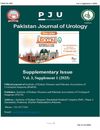 October 2025 in “Pakistan journal of urology.”
 This supplementary issue of the Pakistan Journal of Urology contains diverse studies spanning organ donation's significance, surgical techniques, and the comparison of treatments in urology, but it doesn't provide specific research results or detailed findings.
 September 2025 in “Ankara Universitesi Eczacilik Fakultesi Dergisi”
 This study analyzed the therapeutic potential of various plant species for alopecia areata treatment, highlighting their possible benefits due to anti-inflammatory and immunomodulatory properties, though more research is needed to fully understand the mechanisms involved.
 January 2025 in “Ege Tıp Bilimleri Dergisi”
 This research focused on understanding how radiotherapy affects mitochondrial function and signaling pathways in metastatic breast cancer cells, aiming to clarify its roles in cell survival, apoptosis, and metastatic progression, but the results are not reported in the abstract.
 December 2024 in “Turkish Journal of Forensic Medicine”
 This review examines the role and significance of next-generation sequencing technologies in forensic identification and other forensic applications, but reports no new findings.
 December 2024 in “Ankara Universitesi Eczacilik Fakultesi Dergisi”
 This review highlights Nigella sativa L. (black cumin) as a plant with numerous health benefits, noting its rich nutritional profile and reported therapeutic effects such as antioxidant and anti-inflammatory activities, identified through various in vitro, in vivo, and clinical research studies.
 December 2023 in “Tuberkuloz ve Toraks/Tüberküloz ve toraks”
 This study identified female sex and specific radiological findings as risk factors for chronic post-COVID syndrome, while long-term use of angiotensin-2 receptor blockers was linked to fewer chronic symptoms.
 October 2023 in “TURKDERM”
 This study observed a 30.4% decrease in dermatology outpatient visits during the COVID-19 pandemic, with a shift in patient demographics and an increased frequency of psoriasis, bullous diseases, and melanoma diagnoses, while conditions like acne and xerosis cutis were less frequent.
 June 2023 in “SDÜ Tıp Fakültesi Dergisi”
 This study found that long-term exposure to sodium valproate can increase oxidative stress and inflammation in rat stomach tissues, while treatment with rutin, a natural antioxidant, was associated with reduced markers of these effects at dosages of 50 mg/kg and 100 mg/kg.
This study reports an increase in the frequency and variety of skin conditions associated with COVID-19, noting that milder cases often present with pernio-like lesions, while severe cases may involve livedo racemosa, retiform purpura, and acral ischemia.

This article reviews various topics including medically important plants in dermatology, supporting medicinal herbs for primary dysmenorrhea, and several drug delivery systems, without providing new clinical findings.
 March 2023 in “İnönü Üniversitesi Sağlık Hizmetleri Meslek Yüksek Okulu Dergisi”
 This study found that metabolic syndrome prevalence was significantly higher in obese patients with polycystic ovary syndrome, but no difference was observed among the different phenotypes.
Vitamin D is crucial for skin health and managing skin diseases.
 March 2022 in “Marmara University Open Access System”
 This article critically examines the relationship between new media and digital games, emphasizing their cultural and historical contexts, but provides no new empirical findings.

This article reviews alopecia areata as a chronic autoimmune disease affecting hair follicles and discusses its association with other autoimmune conditions, but provides no new clinical findings.
 November 2020 in “TURKDERM”
 This study reports that hormonal therapies, particularly combined oral contraceptives, are commonly used and effective in treating acne in women, especially those with hormonal imbalances or specific acne patterns, regardless of their serum androgen levels.
 January 2018 in “Turkiye Klinikleri Journal of Dermatology”
 This review discusses the use of stem cell therapies for hair diseases, highlighting promising results but reporting no new clinical findings.
 December 2015 in “Turk Dermatoloji Dergisi”
 This study found that tinea capitis was the most frequent form of dermatomycosis in children, and suggested that topical antifungal treatments may be effective and well-tolerated for these infections.
 December 2015 in “Turkderm”
 This study found that 30.5% of patients at an outpatient clinic reported using complementary and alternative medicine, with many believing in its positive effects despite limited knowledge of potential side effects.

This review discusses the link between medication use and hair loss and emphasizes the need for further research into other potential causes, reporting no new clinical results.

This review discusses the use of hair microscopy in diagnosing hair-related conditions, highlighting techniques and common applications, but presents no new experimental results.

This case report describes a 14-year-old female with tufted hair folliculitis, where isotretinoin reduced inflammation and exudation but persistent hair tufting remained, highlighting the challenges in treating this rare condition.
This study assessed the effects of a formulation containing millet extract, wheat germ oil, L-cystine, and calcium pantothenate on women with telogen effluvium using Digital Phototrichogram, but it reports no new results.
 December 2009 in “DergiPark (Istanbul University)”
 This study found that low levels of ferritin and iron were common among women with diffuse hair loss, suggesting these tests could be useful in evaluating such patients.
This study reported no significant statistical difference in insulin resistance or QUICKI levels between reproductive women with androgenetic alopecia and age-matched controls.
 January 2026 in “Journal of Contemporary Medicine”
 This narrative review explores mechanisms linking COVID-19 with hair loss, highlighting how cytokine-mediated inflammation, androgen-regulated TMPRSS2 expression, and direct follicular injury contribute to the condition. It suggests that vitamin D could potentially mitigate this hair loss by suppressing inflammation and viral entry, warranting further research.
 May 2025 in “Afyon Kocatepe University Journal of Sciences and Engineering”
 The researchers monitored various pollutants in real cosmetics industry wastewater and reported high removal efficiencies for parameters like Chemical Oxygen Demand and heavy metals through coagulation-flocculation, yet suggested that more effective COD treatment alternatives are necessary to better protect the environment and human health.