 April 2026 in “International Journal of Drug Delivery Technology”
 This review highlights the various causes and treatment options for alopecia, noting that while non-scarring types often see successful hair regrowth, scarring forms require early intervention to manage inflammatory destruction of hair follicles.

This narrative review concludes that long-term randomized controlled trials are needed to establish clear guidelines for testosterone therapy in women, given the lack of FDA-approved formulations and the variable quality of current treatments.
 April 2026 in “Dermatology and Therapy”
 This review discusses the various skin changes, pregnancy-specific dermatoses, and medication management related to dermatologic health during pregnancy, aiming to provide clinicians with an evidence-based guide for diagnosis and treatment.
 March 2026 in “Plastic and Aesthetic Research”
 This review highlights that exosomes from adipose-derived stem cells, particularly those enriched with circ-Ash1l, can inhibit ferroptosis and reduce UVB-induced skin aging by delivering GPX4-promoting signals to damaged cells, thus offering a potential regenerative therapy for photoaged skin.
 March 2026 in “Seven Editora eBooks”
 This study systematically reviewed the use of topical testosterone products such as creams, gels, and patches, finding they effectively raise serum testosterone but pose significant systemic risks like acne and gynecomastia, necessitating careful medical oversight.
 February 2026 in “Journal of Dermatology and Skin Science”
 This review suggests a causal relationship between finasteride, used for hair loss, and persistent neuropsychiatric side effects like depression, citing evidence that fulfills key causality criteria and calls for cautious use along with strengthened regulatory oversight.
 February 2026 in “Bioimpacts”
 This review discusses advancements and challenges in using 3D bioprinting for diabetic foot ulcer treatments, highlighting potential improvements and existing limitations in replicating skin architecture and clinical application.
 February 2026 in “Scientific Reports”
 This study established a murine model for radiation-induced skin reactions, replicating clinical and histological features to aid future mechanistic and therapeutic research.
 February 2026 in “Frontiers in Bioengineering and Biotechnology”
 This review discusses the development of liposome-based delivery systems to enhance skin wound healing, highlighting their advantages and potential applications, but reports no new clinical results.
 February 2026 in “Plastic and Aesthetic Research”
 This narrative review examines advancements in regenerative aesthetic medicine, focusing on injectable modalities like PRP, polynucleotides, and exosomes, but highlights the need for more robust evidence and standardization in clinical applications.
 February 2026 in “International Journal of Recent Surgical and Medical Sciences”
 This review highlights that both human-derived and plant-derived exosomes show anti-inflammatory and antioxidant properties, with human exosomes being better for targeted medicinal treatments due to their ability to transport healing drugs, while plant exosomes are more scalable and cost-effective for cosmetic applications.
 February 2026 in “Clinical Cosmetic and Investigational Dermatology”
 This study found that while the global incidence of alopecia areata in individuals aged 0–19 declined from 1990-2021, the total number of cases rose, with higher burdens among females, adolescents, and low-SDI populations, particularly in Central Sub-Saharan Africa; disparities suggest a need for targeted interventions.
 January 2026 in “Food Science and Human Wellness”
 This research examined krill oil's effects on benign prostatic hyperplasia and found that it inhibited the growth of prostate cells in vitro and reduced prostate size and weight in a BPH rat model, suggesting potential as a prophylactic or therapeutic agent for BPH.
 January 2026 in “International Journal of Applied Pharmaceutics”
 This review discusses the integration of nanoparticles with microneedles to improve drug delivery through enhanced stability, bioavailability, and controlled release, noting ongoing challenges with stability, scalability, and safety.
 January 2026 in “Quality in Sport”
 This review highlights that isotretinoin effectively treats acne by addressing its pathogenic mechanisms, although managing its teratogenic risk and side effects through structured monitoring is crucial for safe use.
 January 2026 in “RSC Advances”
 The hydrogel helps heal wounds without scars by releasing two drugs gradually.
 January 2026 in “Journal of Pharmacognosy and Phytochemistry”
 This review suggests that standardized herbal shampoos may offer a safe and sustainable alternative to synthetic products due to their natural saponins and multifunctional benefits, though challenges in consistency and shelf-life persist.
 December 2025 in “International Research Journal on Advanced Engineering and Management (IRJAEM)”
 This paper critically evaluates the role of AI in cosmetic surgery, highlighting its potential to enhance precision, tailor treatment, and improve patient outcomes, while also addressing ethical, legal, and regulatory challenges that complicate its integration into clinical practice.
 December 2025 in “Lviv clinical bulletin”
 This review found that platelet-rich plasma therapy may enhance ovarian repair and fertility outcomes in ovarian insufficiency, but notes that optimal usage and long-term effects require further investigation.
 December 2025 in “Cosmoderma”
 This study reviewed evidence suggesting that systemic corticosteroids, particularly in pulse regimens like dexamethasone and betamethasone oral mini-pulse, effectively slow vitiligo progression and support repigmentation, while offering a favorable safety profile compared to continuous therapy.
 December 2025 in “Canadian Urological Association Journal”
 This study highlights the gap between media claims and limited scientific evidence on the impact of alternative therapies for men's health, emphasizing the need for larger-scale trials for informed patient counseling.
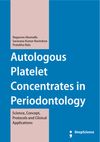
In this book, the authors provide an accessible overview of platelet concentrates and their dental applications, highlighting their role in tissue healing and regeneration, and reviewing recent studies on their efficacy in periodontal therapy, implant dentistry, and oral surgery.
 December 2025 in “Clinical Cosmetic and Investigational Dermatology”
 This study highlights the potential of ZDHHC17 methylation as a biomarker or therapeutic target in addressing skin aging, offering new insights into its molecular mechanisms.
 October 2025 in “Current Pharmaceutical Research”
 This study evaluated a new herbal shampoo made from traditional plants and found it to have effective cleansing properties, moderate foam stability, and environmental safety, suggesting it as a favorable natural alternative to synthetic shampoos.

This study found a significant positive association between higher air quality index values and the incidence of alopecia areata, with a clear dose-response relationship observed among the participants.
 September 2025 in “Sahel Journal of Life Sciences FUDMA”
 This study reported that albino Wistar rats exposed to chemical hair straighteners showed significant hair fiber damage and scalp skin deterioration, which worsened with repeated and prolonged application, highlighting the cytotoxic potential of these products and potential systemic risks.
 September 2025 in “Cureus”
 This systematic review found conflicting evidence on hair loss related to GLP-1 receptor agonists in adults with type 2 diabetes or obesity, with some studies noting hair regrowth and others reporting hair loss as a side effect. Further research is needed to understand this relationship.

This study observed that intramuscular injection of sodium 131iodide at doses of up to 1 mCi can successfully induce hypothyroidism in rats without significantly damaging muscle or nearby tissues, despite concerns of adverse effects.
 September 2025 in “Dermatology and Therapy”
 This systematic review and meta-analysis found that platelet-rich plasma (PRP) therapy is effective in increasing hair density and reducing hair loss for alopecia, with variations in response based on activation status.
 September 2025 in “Journal of Science Innovations and Nature of Earth”
 This source reviews the health benefits and challenges of using anthocyanins, noting their antioxidant, anti-inflammatory, and other protective effects, while also highlighting stability issues that need addressing for wider food and nutraceutical application.