January 2026 in “Animal Genetics” This study investigated a Labrador Retriever with paw pad hyperkeratosis and identified a unique de novo heterozygous missense variant in the GJB6 gene, suggesting its potential role in the condition, analogous to Clouston syndrome in humans, although differences between species may provide further insights.
 60 citations
,
January 2007 in “Human Genetics”
60 citations
,
January 2007 in “Human Genetics” In this study, researchers found that while the SNP rs6152 is strongly associated with androgenetic alopecia, the GGN triplet repeat is not, suggesting the causative variant is likely a non-coding one.
3 citations
,
August 2024 in “Molecular Biology Reports” This study found that the lncRNA018392, responsive to melatonin, accelerates cell proliferation in cashmere goats by recruiting the transcription factor SPI1 to upregulate the nearby gene CSF1R, which may explain the molecular mechanisms of cashmere growth.
July 2025 in “Journal of Investigative Dermatology” This study found that autologous Foxp3+ γδTregs, when tested in human scalp hair follicle models and mouse xenotransplants, can both prevent and treat alopecia areata by reducing immune privilege collapse and lymphocytic infiltration, suggesting their potential as a novel cell-based therapy for the disease.
 May 2026 in “Scientific Reports”
 In this study, researchers overexpressed Lrig3 in mouse skin and observed hair loss linked to changes in skin protein profiles and signaling pathways, suggesting a potential role for Lrig3 in maintaining skin homeostasis.
4 citations
,
August 1999 in “Clinical Cosmetic and Investigational Dermatology” This study highlights the potential role of the CYP21A2 and CYP19A1 genes in severe acne vulgaris among Han Chinese, especially males.
 10 citations
,
November 2010 in “Journal of Dermatology”
10 citations
,
November 2010 in “Journal of Dermatology” In this study, the researchers reported that finasteride's efficacy in treating female pattern hair loss in Japanese patients was not predictable based on CAG repeat numbers in the androgen receptor gene.
34 citations
,
January 2000 in “Journal of Andrology” This study found no difference in CAG repeat length between Chinese and Australian men, refuting the hypothesis that this polymorphism and central prostate zone volume are markers of long-term androgen sensitivity.
July 2024 in “Journal of Investigative Dermatology” OR101 may effectively treat atopic dermatitis and similar skin conditions.
December 2024 in “Journal of Health and Beauty” In laboratory conditions, this study found that the Dongeui Hot Spring Water Complex, containing sea slug extract, demonstrated enhanced antioxidant activity and promoted hair papilla cell proliferation compared to a control, suggesting potential benefits for scalp health and hair loss prevention.
 April 2024 in “European Journal of Dermatology”
 This study suggests that the PPP2R3C gene may confer susceptibility to psoriatic arthritis and psoriasis vulgaris in Chinese patients, with additional possible associations involving IL-23R, ERN1, IFIH1, and KIF3A genes.
1 citations
,
November 2023 in “International Journal of Molecular Sciences” This study observed that SOX18 promotes the proliferation of dermal papilla cells in Hu sheep by activating the Wnt/β-Catenin signaling pathway, suggesting its key role in wool growth.
July 2024 in “Journal of Investigative Dermatology” Recombinant human TSG-6 speeds up wound healing in diabetic mice.
 September 2003 in “Hair transplant forum international”
 This congress review reports on the 6th Annual Congress and Live Surgery Workshop of the ESHRS in Berlin and presents no new findings.
 April 2026 in “Human Genome Variation”
 In this study, researchers identified a recurrent MBTPS2 splice-site variant as a mutational hotspot in IFAP syndrome across diverse families, with phenotype severity suggesting the influence of additional modifiers.
 24 citations
,
July 2017 in “Structure”
24 citations
,
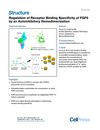
July 2017 in “Structure” In this study, researchers found that ligand homodimerization controls the receptor binding specificity of the FGF9 subfamily, preventing off-target activation of FGFR "b" isoforms.
 January 2010 in “Hair transplant forum international”
 This correspondence is an invitation to the 18th Annual Scientific Meeting of the International Society of Hair Restoration Surgery, with no research results presented.
 January 2024 in “JOJ Dermatology & Cosmetics”
 This article discusses a trial evaluating patient satisfaction with the TH07 treatment for androgenetic alopecia but reports no clinical results.
December 2012 in “http://isrctn.org/>” April 2019 in “Journal of the Endocrine Society” This study found that in male mouse pancreatic islet β cells, testosterone enhances glucose-stimulated insulin secretion by being locally converted into dihydrotestosterone and estradiol.
3 citations
,
November 2021 in “Journal of Clinical Laboratory Analysis” This study identified hsa_circ_0001079 as a potential diagnostic marker for androgenetic alopecia, suggesting it may play a role in the condition by interacting with specific microRNAs.
May 2025 in “Phytomedicine” Qu-shi-yu-fa Decoction may help treat hair loss by promoting hair growth and strengthening.
 June 2025 in “International Journal of Applied Pharmaceutics”
 This study developed a testosterone-induced androgenetic alopecia model in BALB/c mice, finding that a 0.075 ml testosterone injection best replicated the dermal and hair follicle conditions of AGA patients, providing a promising tool for future drug testing and research into AGA therapies.
252 citations
,
March 1998 in “Developmental dynamics” This study suggests that fibroblast growth factors FGF-4, FGF-8, and FGF-9 may play redundant roles as signals in epithelial-mesenchymal interactions during multiple stages of tooth development in mice.
 13 citations
,
March 2021 in “British Journal of Pharmacology”
13 citations
,
March 2021 in “British Journal of Pharmacology” This study found that KY19382 can effectively promote hair regeneration and follicle neogenesis in mice and human hair models by activating Wnt/β-catenin signalling, suggesting potential use for alopecia treatment.
5 citations
,
April 2022 in “Evidence-based Complementary and Alternative Medicine” This study explored the mechanism of Shaoyao Gancao decoction in treating alopecia areata and found that it may be closely related to the PI3K/AKT signaling pathway.
 24 citations
,
June 2011 in “Andrologia”
24 citations
,
June 2011 in “Andrologia” This study found that Ganoderma lucidum extracts reduced prostate enlargement and improved symptoms in testosterone-treated rats, suggesting potential benefits for managing benign prostatic hyperplasia.
 4 citations
,
April 2018 in “Biotechnology Letters”
4 citations
,
April 2018 in “Biotechnology Letters” Human growth factor 20 can boost mouse whisker growth.
 7 citations
,
October 1985 in “Genetics Research”
7 citations
,
October 1985 in “Genetics Research” This study found that in chimaeric mice models, the pigment distribution and pattern were influenced by the sash genotype, demonstrating the melanocyte-autonomous nature of the beige and leaden loci.
July 2024 in “Journal of Investigative Dermatology” ATR04-484 ointment shows promise for treating skin issues from cancer therapies.