4 citations
,
March 2009 in “Journal of pain and symptom management” In this case study, researchers observed that gabapentin may cause alopecia, as a patient developed significant hair loss shortly after starting the medication for neuropathic pain, which reversed upon discontinuation.
 86 citations
,
February 2009 in “Journal of Neuroscience”
86 citations
,
February 2009 in “Journal of Neuroscience” This study found that during late pregnancy in rats, there is an increase in extrasynaptic GABA A receptor number in granule cells of the dentate gyrus, linked to hormonal fluctuations.
14 citations
,
September 1999 in “Mammalian genome” In this study, researchers generated a mouse mutation called scraggly, related to hair and skin defects, and mapped it to a genetic location on mouse Chromosome 19 distinct from similar mutations.
 24 citations
,
July 2017 in “Structure”
24 citations
,
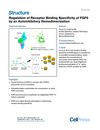
July 2017 in “Structure” In this study, researchers found that ligand homodimerization controls the receptor binding specificity of the FGF9 subfamily, preventing off-target activation of FGFR "b" isoforms.
333 citations
,
March 2000 in “Proceedings of the National Academy of Sciences” In this study, researchers established that increased expression of the human GLI-1 gene in mouse skin leads to the development of tumors that closely resemble human basal cell carcinomas, without requiring additional mutations in the p53 or Ha ras genes.
47 citations
,
April 2000 in “Experimental Dermatology” This study identified a novel missense mutation in the hairless gene in a Polish family, which may contribute to congenital atrichia with papular lesions by affecting the gene's function.
This study found that the enzyme encoded by Dgat1 acts as a retinol acyltransferase in murine epidermis, protecting against retinoid toxicity and alopecia by preventing retinol accumulation.
 28 citations
,
May 2020 in “BMC plant biology”
28 citations
,
May 2020 in “BMC plant biology” This study concluded that GLCAT14A-C genes are crucial for the function of glucuronic acid transfer to AGPs in Arabidopsis, affecting various growth and reproductive traits such as seed germination and root hair growth.
638 citations
,
October 1997 in “Nature” 
This study found that ARHGEF3 is crucial for hair follicle development in mice, as its absence leads to defects in placode compaction and impaired follicle downgrowth, highlighting its role in regulating cell shape rearrangements during embryogenesis.
1 citations
,
October 2022 in “Biomedicines” This study found that Prdm1 is crucial for whisker development in mice, affecting multiple signaling pathways and possibly playing a role in primates' evolutionary loss of vibrissae.
89 citations
,
October 2003 in “Biology of the Cell” This study found that labeled galectin-1 binds to specific nuclear sites in human bone marrow stromal cells and keratinocytes, suggesting a role in nuclear function, although only in a small fraction of cells.
 28 citations
,
November 2019 in “Gene”
28 citations
,
November 2019 in “Gene” This article reviews the structure and regulation of the ITGB6 gene and discusses its role in integrin αvβ6 expression, with no new experimental results reported.
107 citations
,
April 2014 in “The Plant cell” In this study, researchers showed that the CAP1 gene regulates root hair growth in plants by modulating cytoplasmic ammonium levels and maintaining calcium gradients, highlighting its role in ammonium homeostasis.
5 citations
,
January 2022 in “Health Science Reports” This study observed that GREM2 was specifically and robustly expressed in the dermal sheath cup of hair follicles during various hair cycle phases, suggesting its significant role in regulating hair cycling processes through BMP signaling.
This study found that in mice, the epidermal microenvironment reverses the oncogenic effects of GNAQQ209L in melanocytes, inhibiting their survival and proliferation through paracrine signals.
 15 citations
,
February 2021 in “Scientific Reports”
15 citations
,
February 2021 in “Scientific Reports” This study found that novel RNA aptamers specifically inhibited FGF5-induced cell proliferation, suggesting their potential as candidates for treating FGF5-related diseases or hair disorders.
This study found that FGF5 alternative spliceosomes inhibit dermal papilla cell proliferation and regulate hair follicle growth-related gene expression, impacting hair follicle development in rabbits.
This study found that GPC1 is a key regulator of angiogenesis in hair follicles and may be an interesting target for addressing alopecia in dermatology research.
 9 citations
,
December 2002 in “Novartis Foundation Symposium”
9 citations
,
December 2002 in “Novartis Foundation Symposium” In this research, LEF1 was identified as a crucial transcription factor for submucosal gland development in mouse and ferret tracheas, though it requires other factors to induce gland formation.
 January 2025 in “Nature Communications”
 This study discovered that calcium dependent protein kinase 1 (CPK1) directly activates cyclic nucleotide-gated channels 5, 6, and 9, promoting root hair growth in Arabidopsis by regulating Ca²⁺ signaling.
This study found that GPC1 is a key regulator of angiogenesis in human dermal microvascular endothelial cells, influenced by factors secreted by keratinocytes, and may be a target for alopecia treatment research.
578 citations
,
April 1993 in “Cell” This study found that mice with a disrupted TGFα gene display a curly whisker-coat phenotype, similar to waved-1 mice, suggesting TGFα's crucial role in skin architecture and hair development.
380 citations
,
March 2000 in “Proceedings of the National Academy of Sciences” This study demonstrates that mice with ectopic expression of the human GLI-1 gene in their skin developed tumors resembling human basal cell carcinoma, suggesting that GLI-1 is central to tumor development without additional p53 or Ha ras mutations.
This study found that GPC1 plays a crucial role in regulating angiogenesis in human dermal microvascular endothelial cells, which may make it a potential target in alopecia treatment research.
44 citations
,
January 1984 in “Molecular and Cellular Biochemistry” 147 citations
,
August 2005 in “The Plant Cell” This study identified a key Arabidopsis thaliana gene, TIP1, whose product is involved in S-acylation crucial for normal plant cell growth, particularly affecting root hair development.
 13 citations
,
March 2020 in “Genes”
13 citations
,
March 2020 in “Genes” This study found that FGF5-/- rabbits exhibited a significant long hair phenotype by prolonging the anagen phase, suggesting FGF5 acts as a negative regulator of hair growth.
3 citations
,
August 2024 in “The Journal of Cell Biology” This study demonstrated that in live rodents, actin filaments adjust their structure to facilitate membrane transfer between cellular compartments with different biophysical properties.
42 citations
,
September 2002 in “The Journal of Comparative Neurology” This study found that in the dorsal horn's lamina III, most afferent boutons form synapses with presynaptic boutons immunoreactive for GABA and/or glycine, influencing sensory pathways.