 November 2024 in “Rheumatology Advances in Practice”
 Timely diagnosis of SLE is crucial due to symptom overlap with fibromyalgia.
 January 2015 in “DOAJ (DOAJ: Directory of Open Access Journals)”
 This study developed a precise and simple HPLC method for estimating tamsulosin and finasteride simultaneously in pharmaceutical forms, demonstrating good precision and potential usefulness for combined dosage analysis.
 March 2018 in “Dermatología Argentina”
 This study found that postmenopausal women in Argentina with frontal fibrosing alopecia had a higher average age of diagnosis than previously reported, with similar clinical features to international cases.
17 citations
,
September 2022 in “Biomaterials Research” This study found that the film-trigger applicator system enhanced drug delivery efficiency and skin penetration of dissolving microneedles compared to traditional patch systems in both lab and animal models.
October 2024 in “Skin Appendage Disorders” This study found that serum FABP4 levels were significantly higher in alopecia areata patients compared to healthy controls and may correlate with disease severity.
 13 citations
,
February 2019 in “Journal of Microencapsulation”
13 citations
,
February 2019 in “Journal of Microencapsulation” This study focused on designing a niosome formulation that encapsulates pumpkin seed oil for topical use, achieving high entrapment efficiency and stability over three months.
 30 citations
,
December 2017 in “Journal of The American Academy of Dermatology”
30 citations
,
December 2017 in “Journal of The American Academy of Dermatology” This correspondence discusses proposed updates to the diagnostic criteria for frontal fibrosing alopecia, emphasizing the importance of differentiating it from other types of alopecia.
23 citations
,
May 2017 in “Journal of the American Academy of Dermatology” This study found that patients with frontal fibrosing alopecia had lower epidermal melanocyte counts and reduced epidermal thickness compared to lichen planopilaris patients and controls, suggesting a link with hypopigmentation.
 September 2008 in “Fertility and Sterility”
 This study found that in female dogs, exposure to free fatty acids increased androgen production, suggesting a potential link to factors characteristic of polycystic ovary syndrome.
 18 citations
,
June 2017 in “Journal of The American Academy of Dermatology”
18 citations
,
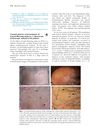
June 2017 in “Journal of The American Academy of Dermatology” In this study, trichoscopy consistently identified typical findings of frontal fibrosing alopecia, revealing three unusual clinical patterns in 18.4% of patients, which may aid in the differential diagnosis when clinical presentations are atypical.
 August 2023 in “JAAD Case Reports”
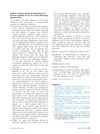
 This report describes a 57-year-old woman with fibrosing alopecia in a pattern distribution, who experienced hair regrowth with combined treatment including hydroxychloroquine and other topical and oral therapies.
 1 citations
,
March 2016 in “Journal of The American Academy of Dermatology”
1 citations
,
March 2016 in “Journal of The American Academy of Dermatology” This editorial response discusses the evidence for using 5-alpha reductase inhibitors in treating frontal fibrosing alopecia, acknowledging its potential benefits while emphasizing the need for further studies to establish it as a standard treatment.
 15 citations
,
January 2021 in “Cellular and Molecular Biology”
15 citations
,
January 2021 in “Cellular and Molecular Biology” This study found that Prosopis farcta is a rich source of phenolic compounds with strong antioxidant activity, suggesting its potential for use in food, beverage, feed, and pharmaceutical applications.
 8 citations
,
December 2017 in “Journal of The American Academy of Dermatology”
8 citations
,
December 2017 in “Journal of The American Academy of Dermatology” This correspondence discusses the diagnostic criteria for frontal fibrosing alopecia but reports no new research findings, agreeing with many previously suggested criteria.
 June 2023 in “Research Square (Research Square)”
 In this study, utilizing a mixture of crushed sky fruit seeds and sodium salt for goat skin preservation led to a significant reduction in environmental impact, decreasing total dissolved solids by 59% and chloride content by 44%, while maintaining the physical quality of processed leather.
 69 citations
,
August 2008 in “Journal of The European Academy of Dermatology and Venereology”
69 citations
,
August 2008 in “Journal of The European Academy of Dermatology and Venereology” Oral dutasteride and topical pimecrolimus can safely and effectively treat Frontal Fibrosing Alopecia, leading to significant hair regrowth.
 January 2024 in “Skin appendage disorders”
 In this case report, a 31-year-old diabetic and obese male was diagnosed with follicular psoriasis, a rare variant characterized by scaly follicular papules, using dermoscopy and histopathology; treatment with topical mometasone furoate and oral levocetirizine led to complete lesion resolution within a month.
 4 citations
,
January 2016 in “International journal of reproduction, contraception, obstetrics and gynecology”
4 citations
,
January 2016 in “International journal of reproduction, contraception, obstetrics and gynecology” This study found that the FSHR Ser680Asn (rs6166) gene polymorphism is associated with an increased risk of PCOS in the examined population and could serve as a molecular biomarker for identifying risk.
4 citations
,
December 2020 This case report describes a woman with frontal fibrosing alopecia who did not improve with hydroxychloroquine and topical minoxidil but achieved clinical stabilization with methotrexate monotherapy.
 2 citations
,
December 2018 in “Novos Estudos Jurídicos”
2 citations
,
December 2018 in “Novos Estudos Jurídicos” This article examines the emergence of predictive analytics with big data and concludes that Foucault's concept of biopower is now a hybrid involving various technologies to monitor and model behavior and risk.
November 2025 in “Analytical Chemistry” This study developed an ultrahigh-power sonicator to improve protein extraction from hair shafts, followed by advanced proteomic analysis, identifying 239 differentially expressed proteins in fetal growth restriction cases compared to healthy controls, which were validated as potential biomarkers for perinatal diagnostics.
18 citations
,
February 2018 in “Journal of the American Academy of Dermatology” This study reports no new clinical results but suggests a potential relationship between frontal fibrosing alopecia and cutaneous conditions such as rosacea, indicating a need for further research.
 November 2022 in “Journal of Investigative Dermatology”
 This study found that different stressors causing premature senescence in fibroblasts resulted in distinct changes in lipid profiles, particularly sphingolipids, which may affect the behavior of senescent skin cells.
 5 citations
,
January 2021 in “IEEE Access”
5 citations
,
January 2021 in “IEEE Access” In this study, researchers demonstrated that treating platelet rich plasma with microsecond pulsed electric fields effectively activates platelets and induces similar or higher growth factor release compared to traditional bovine thrombin, suggesting a potential clinical use that may be more cost-effective and practical.
7 citations
,
February 2023 in “Journal of Dermatological Treatment” This study concluded that the Scalp Photographic Index is a reliable and validated tool for objectively classifying and scoring various scalp conditions.
 1 citations
,
July 2023 in “Journal of the European Academy of Dermatology and Venereology”
1 citations
,
July 2023 in “Journal of the European Academy of Dermatology and Venereology” This study observed that female portraits from the past millennium show a trend of forward-moving hairlines over time, which may provide insights into the natural history of frontal fibrosing alopecia.
 24 citations
,
March 2017 in “Journal of The European Academy of Dermatology and Venereology”
24 citations
,
March 2017 in “Journal of The European Academy of Dermatology and Venereology” This study reported a significant increase in the reporting of sexual dysfunction associated with finasteride use, especially in individuals aged 31-45.
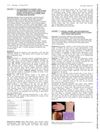
This case report details a child with a specific TNFAIP3 mutation manifesting as a severe SLE/SS phenotype, expanding the known phenotype for this genetic variant.
3 citations
,
April 2022 in “Research Square (Research Square)” In this study, the researchers identified a PBX1-SIRT1-PARP1 axis that plays a crucial role in reducing senescence and apoptosis in hair follicle-derived mesenchymal stem cells.

According to this review, frontal fibrosing alopecia in men exhibits unique clinical features and is often misdiagnosed, underscoring the need for validated diagnostic criteria and treatment evaluation.