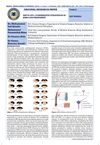
 November 2025 in “PARIPEX-INDIAN JOURNAL OF RESEARCH”
 GFC is more effective than PRP for treating hair loss.
January 2020 in “Menoufia Medical Journal” This study found that the expression of IGF-1 receptor was significantly reduced in women with female androgenetic alopecia compared to healthy controls.
 15 citations
,
February 2021 in “Scientific Reports”
15 citations
,
February 2021 in “Scientific Reports” This study found that novel RNA aptamers specifically inhibited FGF5-induced cell proliferation, suggesting their potential as candidates for treating FGF5-related diseases or hair disorders.
 1 citations
,
April 2017 in “Journal of Investigative Dermatology”
1 citations
,
April 2017 in “Journal of Investigative Dermatology” In this study, D-OCT imaging revealed distinct structural and vascular changes in patients with frontal fibrosing alopecia, highlighting the technique's potential for diagnosing and monitoring the condition's activity.
23 citations
,
March 2019 in “Gene” In this study, researchers found that the evolutionary and structural features of the oFGF5 gene in sheep may influence hair follicle development and hair growth regulation.
 September 2017 in “Journal of Investigative Dermatology”
 This study found that infrared thermography might be a useful non-invasive tool to help diagnose frontal fibrosing alopecia by identifying active phases of the disease.
 March 2024 in “Journal of Cosmetic Dermatology”
 This study found that pretreating concentrated growth factor with a 640 nm laser increased CD34+ stem cell activation and improved hair growth outcomes in androgenetic alopecia patients compared to non-pretreated CGF.
January 2024 in “Updates in clinical dermatology” Frontal fibrosing alopecia is a scarring hair loss condition mainly affecting postmenopausal women, with unclear causes.
May 2005 in “Molecular Carcinogenesis” This study found that mrp/plf-mRNA expression in murine skin increases in response to different tumor promoters, suggesting its potential as a short-term biomarker for chemical carcinogenesis.
7 citations
,
March 2023 in “The Journal of Biochemistry” This study suggests that LONRF1 may play a vital role in linking oxidative damage responses and tissue remodeling during wound healing, with distinct mechanisms in senescent and non-senescent cells.
May 2026 in “Free Radical Biology and Medicine”  September 2017 in “Journal of Investigative Dermatology”
 This study found that certain circulating miRNAs in skin and plasma may serve as potential biomarkers for distinguishing frontal fibrosing alopecia from control cases, highlighting the need for further validation in larger cohorts.
19 citations
,
May 2018 in “Molecular Medicine Reports” This study found that miR-339-5p negatively regulates loureirin A-induced differentiation of hair follicle stem cells, potentially impacting skin repair and regeneration by inhibiting the Wnt/β-catenin signaling pathway.
 April 2025 in “Journal of Investigative Dermatology”
 This study found that elevated luteinizing hormone levels were significantly associated with female pattern hair loss, and implicated LH/LHR signaling in the aging and damage of hair follicles.
 52 citations
,
April 2013 in “Developmental Cell”
52 citations
,
April 2013 in “Developmental Cell” This study found that Brg1, a chromatin-remodeling enzyme, plays a critical role in hair regeneration and early epidermal repair by regulating bulge stem cells through a Brg1-Shh interaction.
August 2025 in “Biomolecules” This review explores the role of FGF signaling in hair follicle development and highlights its potential as a new therapeutic target for hair loss, which could surpass existing treatments in terms of efficacy and safety.
 5 citations
,
April 2019 in “Journal of The American Academy of Dermatology”
5 citations
,
April 2019 in “Journal of The American Academy of Dermatology” This review discusses the complex nature of frontal fibrosing alopecia, suggesting it is a misnomer and possibly a subset of lichen planopilaris, but reports no new clinical results.
July 2021 in “Authorea (Authorea)” This article discusses Graham-Little Piccardi Lassueur Syndrome, a rare variant of Lichen planopilaris, but reports no clinical findings or results.
4 citations
,
June 2024 in “Journal of Cosmetic Dermatology” In this study, fractional radiofrequency treatment was found to be effective, safe, and well-tolerated for patients with erythematotelangiectatic rosacea, with high satisfaction rates.
3 citations
,
March 2024 in “Journal of the American Academy of Dermatology” Low-dose naltrexone helps improve symptoms and stabilize frontal fibrosing alopecia and lichen planopilaris.
 November 2023 in “Indian Journal of Dermatology”
 This study from North-East India analyzed 21 cases of frontal fibrosing alopecia, noting a high prevalence in post-menopausal women and distinct histological features such as perifollicular lymphocytic infiltrate and hydropic degeneration.
 14 citations
,
June 2013 in “Anais Brasileiros de Dermatologia”
14 citations
,
June 2013 in “Anais Brasileiros de Dermatologia” This report found follicular red dots in patients with scalp pigmentary disorders, suggesting they might be linked to the scalp's vascular structure and may have implications for conditions like discoid lupus erythematosus.
 April 2023 in “Journal of Investigative Dermatology”
 This study suggests that linalool, a common allergen in personal care products, may contribute to frontal fibrosing alopecia pathogenesis by triggering immune responses and depleting hair follicle stem cells, especially in sensitized individuals.
 21 citations
,
August 2013 in “Journal of Dermatological Treatment”
21 citations
,
August 2013 in “Journal of Dermatological Treatment” This review discusses the mixed evidence and high risk of bias in studies on low-level light therapy for treating androgenetic alopecia and calls for rigorous randomized controlled trials to assess its efficacy.
 1 citations
,
January 2022 in “European Journal of Pharmacology”
1 citations
,
January 2022 in “European Journal of Pharmacology” In this study, FMN was found to inhibit androgen receptor function and androgen-regulated gene expression in prostate cancer cells, suggesting potential as an antiandrogen therapy.
 86 citations
,
July 2002 in “Clinical and Experimental Dermatology”
86 citations
,
July 2002 in “Clinical and Experimental Dermatology” This review discusses female pattern hair loss, emphasizing its complex causes and the limited treatment options available, and reports no new clinical results.
November 2025 in “Journal of Investigative Dermatology” PCFCL may have unrecognized subtypes and needs more research.
 August 2016 in “Journal of Investigative Dermatology”
 This case report identifies a novel LIPH gene mutation linked to autosomal recessive woolly hair/hypotrichosis in a Japanese boy, expanding the spectrum of known mutations associated with this condition.
 4 citations
,
August 2013 in “Expert Review of Dermatology”
4 citations
,
August 2013 in “Expert Review of Dermatology” This review discusses recent advances in the diagnosis and management of female pattern hair loss but reports no new clinical results.
49 citations
,
January 2010 in “Plant and Cell Physiology” This study found that a phosphorus starvation-insensitive mutant of Arabidopsis thaliana shows altered root growth and auxin responses under low phosphate conditions compared to wild-type plants, suggesting a role for LPR1 in regulating these traits.