This study found that mutant Cx43 impairs fibroblast function during wound healing and reduces hair follicle cell proliferation, likely contributing to hair growth defects in ODDD patients.
 July 2013 in “Hair transplant forum international”
 This commentary reviews the concerns of hair restoration surgeons regarding donor planning in follicular unit extraction (FUE) but provides no new experimental results.
September 2024 in “Journal of the American Academy of Dermatology” February 2020 in “Definitions” September 2015 in “Fluids and Barriers of the CNS” This study developed simulated skull models and a method to assess programming tool movements, selecting three models as most clinically relevant for hydrocephalus shunt valve programming.
 April 2011 in “한국생물공학회 학술대회”
 This study found that an anti-atopic lotion containing fucoidan helped heal skin damage in hairless mice with atopic dermatitis by reducing skin thickness and modulating immune responses.
 August 2023 in “Clinical, Cosmetic and Investigational Dermatology”
 In this article, researchers describe a novel FUE device designed to enhance follicular unit excision surgery by minimizing follicular injury and improving ergonomics with features such as Bluetooth functionality, fingertip touch sensors, and automated operation.
4 citations
,
February 2022 in “PeerJ” This study found that hair follicle mesenchymal stem cells improved liver function and pathology in a mouse model of liver cirrhosis, potentially by inhibiting the TGF-β/Smad pathway and reducing hepatic stellate cell activation.
6 citations
,
August 2016 in “Journal of Visualized Experiments” This article describes a method using the CUBIC protocol to clarify and visualize molecular and cellular interactions in mouse skin biopsies at single cell resolution, but does not provide new biological findings.
April 2026 in “Case Reports in Dermatology” In this case report, a woman with Graham-Little-Piccardi-Lassueur Syndrome and hidradenitis suppurativa showed significant improvements in both conditions after six months of treatment with tofacitinib, a Janus Kinase inhibitor, with no recurrence or adverse events noted during a two-year follow-up.
4 citations
,
April 2012 in “The journal of investigative dermatology/Journal of investigative dermatology” This study developed a mouse model lacking keratin 16 to replicate palmoplantar lesions, which may help uncover the molecular mechanisms driving these lesions in pachyonychia congenita and focal non-epidermolytic palmoplantar keratoderma.
 February 2025 in “PubMed”
 In this study, researchers evaluated CS12192, a selective JAK3 inhibitor, in an alopecia areata mouse model and found it reversed hair growth inhibition comparably to baricitinib, with better safety and similar immune-modulating mechanisms.
 January 2024 in “Journal of Crohn's and colitis”
 This study reports that JAK inhibitors were effective in inducing remission in ulcerative colitis patients and presented an acceptable safety profile with a range of manageable side effects.
 1 citations
,
September 2016 in “Journal of Dermatological Science”
1 citations
,
September 2016 in “Journal of Dermatological Science” This study found that FGF18 signaling helps protect hair follicles from radiation damage by maintaining the resting phase and supporting stem cell survival, potentially reducing radiation-induced hair loss.
July 2020 in “Research Square (Research Square)” This study found that a 3D co-culture of adipose-derived stem cells and endothelial colony forming cells restored stem cell properties and enhanced wound healing in a mouse model.
 June 2026 in “World Journal of Gastrointestinal Pathophysiology”
 This review consolidates current knowledge about Cronkhite-Canada syndrome, highlighting its symptoms, diagnostic challenges, and evolving treatment strategies, but reports no new clinical results.
 108 citations
,
March 2011 in “Archives of Dermatology”
108 citations
,
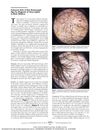
March 2011 in “Archives of Dermatology” Corkscrew hair may be a new sign for quickly diagnosing scalp fungus in black children.
 14 citations
,
January 2011 in “Journal of Cutaneous Pathology”
14 citations
,
January 2011 in “Journal of Cutaneous Pathology” This study found that CK15 is an unreliable marker for assessing bulge zone integrity in cicatricial alopecia follicles due to its altered expression in diseased conditions.
 September 2015 in “Dermatologic Surgery”
 In this study, the researchers developed a computer-aided imaging system to quantitatively measure baldness in Chinese women with female pattern hair loss, potentially improving the precision of severity evaluation compared to traditional scales.
 April 2017 in “Journal of Investigative Dermatology”
 The researchers reported that iPSCs derived from Sendai virus reprogrammed blood cells can mature into functional keratinocytes for up to 60 days, potentially offering new approaches for DEB treatment.
16 citations
,
January 2019 in “Aging” This study found that transgenic mice expressing a mutant CYLD protein lacking deubiquitinase function showed signs of premature aging and spontaneous tumor development, likely due to over-activation of specific molecular pathways and chronic inflammation.
February 2025 in “Experimental Cell Research” In this laboratory study, the researchers found that combining dermal papilla cell-derived exosomes with collagenous sequences significantly enhanced hair follicle stem cell migration and proliferation, highlighting a potential strategy for hair regeneration through modulation of the hsa-novel-238a-CASP9 axis.
 2 citations
,
October 2021 in “Bioinformation”
2 citations
,
October 2021 in “Bioinformation” This study found that the FTO gene variants rs17817449 and rs1421085 were significantly associated with PCOS susceptibility, and rs8050136 was linked with hair loss and high BMI in women with PCOS in western Saudi Arabia.
 5 citations
,
November 2017 in “Hair transplant forum international”
5 citations
,
November 2017 in “Hair transplant forum international” This article reviews the basic principles and challenges of FUE hair transplants, highlighting techniques for improving graft quality and the importance of standardized procedures, but it reports no new clinical results.
 April 2019 in “The journal of investigative dermatology/Journal of investigative dermatology”
 In this study, researchers found that CCCA in women of African descent is associated with molecular changes, including dysregulation of fatty acid metabolism and fibrosis pathways, suggesting potential targets for new treatments.
 June 2024 in “British Journal of Dermatology”
 This study observed that Black women with central centrifugal cicatricial alopecia had a higher prevalence of uterine leiomyomas compared to those with lichen planopilaris, suggesting a potential association between the conditions.
20 citations
,
November 2003 in “American Journal Of Pathology” Fibroblasts from healthy donors can prevent changes seen in recessive epidermolysis bullosa simplex.
July 2026 in “Theranostics” This study developed a novel ferritin-based delivery system (LR@Fn) that effectively co-delivers RG108 and LLY283 for hearing loss treatment in animal models, reducing hair cell loss and synaptic damage more effectively than dexamethasone.
 5 citations
,
January 2016 in “Elsevier eBooks”
5 citations
,
January 2016 in “Elsevier eBooks” This study found that combining AMD-3100 with FK506 in subimmunosuppressive doses enhanced stem cell release from bone marrow, resulting in 25% faster epithelialization in excisional wounds in rats and mice.
26 citations
,
August 2009 in “Journal of Pediatric Gastroenterology and Nutrition” This study reports that gastrointestinal problems, such as intractable diarrhea and enterocolitis, can dominate the clinical course of patients with Hoyeraal-Hreidarsson syndrome and may occur before hematological and immunological symptoms.