 February 2026 in “Plastic and Aesthetic Research”
 This narrative review examines advancements in regenerative aesthetic medicine, focusing on injectable modalities like PRP, polynucleotides, and exosomes, but highlights the need for more robust evidence and standardization in clinical applications.
 February 2026 in “International Journal of Recent Surgical and Medical Sciences”
 This review highlights that both human-derived and plant-derived exosomes show anti-inflammatory and antioxidant properties, with human exosomes being better for targeted medicinal treatments due to their ability to transport healing drugs, while plant exosomes are more scalable and cost-effective for cosmetic applications.
 January 2026 in “Sciences and Clinical Pharmacy Research Journal”
 In this study, a 15% ethanol extract of Moringa oleifera leaves was most effective in improving wound healing, scab formation, and hair growth in hyperglycemic rats, compared to povidone iodine and lower extract concentrations.
 January 2026 in “Dermatology Practical & Conceptual”
 This systematic review found that exosome-based therapies significantly improve skin elasticity, reduce wrinkle depth, enhance hydration, and modulate pigmentation, with minimal adverse events reported across multiple studies. However, further clinical trials are necessary to confirm long-term efficacy and safety.
 January 2026 in “Frontiers in Cell and Developmental Biology”
 This review discusses the molecular mechanisms and clinical applications of autologous platelet-derived products for TMJ regeneration, but reports no new clinical results.
 January 2026 in “Communications Biology”
 This study constructed a single-cell atlas of hair follicle cells from yaks and taurine cattle, revealing that differences in WNT signaling within dermal papilla cells may be key to the yak's adaptation to cold environments on the Qinghai-Tibet Plateau.
 January 2026 in “Open Life Sciences”
 This study found that exosomes derived from human amniotic mesenchymal stem cells enhanced stem cell proliferation and structural restoration in irradiated salivary glands of rats, with significant improvements observed by day 7, suggesting activation of the Wnt signaling pathway.
 January 2026 in “Food and Nutrition Sciences”
 This randomized, placebo-controlled trial reported that USPlus PRO saw palmetto extract significantly improved lower urinary tract symptoms, including voiding, incomplete emptying, and weak stream, as well as sexual function in males over 12 weeks, while maintaining a favorable safety profile.
 January 2026 in “Journal of Biosciences and Medicines”
 This research highlights the common and varied skin-related symptoms associated with chronic kidney disease, emphasizing that early recognition and multi-pronged management involving nephrology and dermatology can improve patient outcomes.
 January 2026 in “In Vivo”
 This study found that hidradenitis suppurativa is associated with an elevated risk of developing urolithiasis, suggesting shared inflammatory pathways and the need for vigilant kidney monitoring in affected individuals.
 January 2026 in “Nanoscale Advances”
 In this study, a biocompatible zinc oxide nanocomposite loaded with the anticancer drug 9-Br-Nos demonstrated effective drug delivery and cytotoxicity against lung cancer cells in vitro, while also proving non-toxic to healthy cells, suggesting its potential for targeted lung cancer treatment.
 December 2025 in “Journal of Composites and Compounds”
 In this review, researchers explored the design of composite biomaterials for immunomodulation and their potential to influence immune cell behavior, which could be leveraged for treating diseases like cancer and improving tissue regeneration, while also addressing translational challenges such as biocompatibility and safety.
 December 2025 in “Nature Communications”
 In this study using mouse models, researchers found that elevated IL-17a in aged olfactory epithelium impairs olfactory function, while IL-17a inhibition promotes regeneration and mitigates age-related decline.
 December 2025 in “Journal of Food Innovation, Nutrition, and Environmental Sciences”
 This study evaluated the effects of sun drying and solar drying on Chaya leaves, finding that solar drying better preserves chlorophyll and phytochemicals while maintaining comparable nutritional quality to sun drying, suggesting its adoption could improve shelf life and maintain quality in areas without refrigeration.
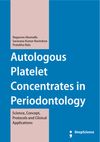
In this book, the authors provide an accessible overview of platelet concentrates and their dental applications, highlighting their role in tissue healing and regeneration, and reviewing recent studies on their efficacy in periodontal therapy, implant dentistry, and oral surgery.
 December 2025 in “Journal of Pharma Insights and Research.”
 This study explains the formulation and evaluation of a natural polyherbal shampoo, which effectively colors hair and provides conditioning without the dermal and systemic toxicity risks of synthetic dyes, offering an effective alternative to conventional products.
 December 2025 in “npj Breast Cancer”
 In the phase 3 CAPItello-291 trial, capivasertib combined with fulvestrant significantly increased progression-free survival in patients with advanced breast cancer with specific genetic alterations, but the authors highlight that managing side effects like diarrhea, rash, and hyperglycemia is crucial for optimizing treatment adherence and outcomes.
 November 2025 in “International Journal for Research in Applied Science and Engineering Technology”
 This review discusses the development and benefits of herbal shampoos, highlighting their natural components' safety and effectiveness for hair care, and underlines the importance of scientific validation and regulatory considerations to enhance their global market acceptance.
 November 2025 in “Scientific Reports”
 This study found that metabolic dysfunction-associated steatotic liver disease is linked to a higher risk of androgenetic alopecia, especially in women and individuals with certain lifestyle patterns.
 November 2025 in “Frontiers in Nutrition”
 This study observed that in individuals with stroke, the GNRI has a significant negative association with FI and FISI, mediated by the SII index and OBS, suggesting the importance of anti-inflammatory and antioxidant strategies to reduce FI risk.
 November 2025 in “Molecular and Cellular Biomedical Sciences”
 This study evaluated the effects of exosome therapy from hypoxia-treated mesenchymal stem cells on a fluconazole-induced alopecia model in rats and found that it significantly reduced TNF-α and increased VEGF levels, suggesting potential as a novel regenerative treatment for alopecia.
 October 2025 in “Pakistan journal of urology.”
 This supplementary issue of the Pakistan Journal of Urology contains diverse studies spanning organ donation's significance, surgical techniques, and the comparison of treatments in urology, but it doesn't provide specific research results or detailed findings.
 October 2025 in “Communications Medicine”
 This study found that using a combination of genotypic and primarily phenotypic reanalysis significantly enhances the accuracy of molecular diagnoses in patients suspected of having monogenic diabetes.
 October 2025 in “Turkish Journal of Biochemistry”
 This study found that patients with tropical chronic pancreatitis exhibited significantly reduced plasma amino acid levels and antioxidant capacity, with folate deficiency identified as a key factor in hyperhomocysteinemia.
 October 2025 in “Scientific Reports”
 This study found that grape leaves, especially from the 'Razaki' white cultivar, are rich in phenolic compounds and flavonols, suggesting potential use in developing functional products.
 September 2025 in “Journal of Health Sciences”
 In this study, researchers developed an antioxidant hair tonic using Dipteryx odorata (cumaru) extract, aimed at treating scalp psoriasis, which could potentially improve quality of life for patients due to its natural anti-inflammatory and antioxidant properties.
 September 2025 in “Journal of Dermatology Research Reviews & Reports”
 This study found that men aged 33 to 44 with androgenetic alopecia experienced significant hair improvement over 7 months after treatment with autologous cells using the Rigenera® system, as evaluated by HairMetrix® technology.

This research highlights selenium's critical roles in various biological processes and underscores the potential health impacts of both its deficiency and excess, including increased mortality risk, poor immune function, and neurological issues.
 September 2025 in “Clinical Cosmetic and Investigational Dermatology”
 This analysis concluded that mesenchymal stem cell-derived exosome therapy may offer a promising and safe approach for hair restoration, especially in androgenetic alopecia, despite limitations in study consistency and size.
 September 2025 in “Drug Design Development and Therapy”
 This study suggests that while platelet-rich products show promise in treating dermatological conditions like chronic wounds and skin aging, there is still a need for standardized methodologies and extensive trials to confirm their long-term clinical benefits.