 July 2024 in “New Phytologist”
 This study suggests that the transcription factor PDF2 in Arabidopsis may link lipid sensing with growth responses to phosphate starvation by acting as a sensor for lyso-PCs through its START domain.
December 2004 in “Annales d Urologie” This article examines the PCPT study on whether daily finasteride can reduce prostate cancer incidence, describing its methodology and findings but reporting no new clinical results.

This study found that new methods for isolating human dermal papilla cells were more efficient than traditional methods, maintaining higher levels of specific markers and improving the cells' research potential.
This study demonstrated that the IVL-DrugFluidic® platform is effective for mass-producing finasteride-loaded polymeric microspheres for long-acting injectables, maintaining stable drug release without an initial burst for a month.
 28 citations
,
January 2012 in “International Journal of Trichology”
28 citations
,
January 2012 in “International Journal of Trichology” This study observed that specific trichoscopic features like white peripilar signs, scalp pigmentation, and focal atrichia are associated with advanced female pattern hair loss in Fitzpatrick skin type III patients.
1 citations
,
January 2023 in “Chemical Engineering Journal”  16 citations
,
October 2008 in “Dermatologic Surgery”
16 citations
,
October 2008 in “Dermatologic Surgery” In this study, the novel powered FUE method was associated with faster harvesting time and lower graft transection rates compared to manual FUE in male patients with alopecia.
April 2022 in “Actas Dermo-Sifiliográficas” This article discusses the case of a 59-year-old woman with a history of progressive facial hyperpigmentation and explores potential connections between her condition and her family history, but reports no clinical findings.
 80 citations
,
October 1985 in “American Journal of Public Health”
80 citations
,
October 1985 in “American Journal of Public Health” This study found significant weight loss and reductions in blood pressure and serum triglycerides among obese patients following a multidisciplinary program with a very low calorie ketogenic diet.
 1 citations
,
April 2016 in “The American Journal of the Medical Sciences”
1 citations
,
April 2016 in “The American Journal of the Medical Sciences” This article discusses the characteristics of lichen planus pigmentosus and frontal fibrosing alopecia but reports no new clinical findings; the authors review existing knowledge.
 1 citations
,
November 2023 in “Contact dermatitis”
1 citations
,
November 2023 in “Contact dermatitis” In this study, sensitization to ethylhexyl salicylate was found in 27.3% of patients with frontal fibrosing alopecia, suggesting it may be a potential contact allergen for this condition.
September 2023 in “Journal of the American Academy of Dermatology” This study found that in participants with notalgia paresthetica, 8 weeks of treatment with difelikefalin significantly improved itch intensity and increased the rate of strict complete response compared to placebo, starting as early as week 3.
June 2023 in “Clinical Cosmetic and Investigational Dermatology” This report describes a 60-year-old female with pretibial pruritic papular dermatitis who showed significant improvement of skin lesions after one month of treatment with oral pentoxifylline. The authors highlight the unique clinical and histological features of PPPD and propose pentoxifylline as a potential therapy.
16 citations
,
July 1996 in “Journal of Investigative Dermatology” January 2002 in “J0urnal of Nanjing Military Medical College” This study developed a new finasteride capsule with accurate dosage and good stability, showing potential as an effective oral preparation with a tentative two-year shelf life.

This study observed that, after 90 hours of light exposure, Finasteride retained 57% of its concentration, whereas Diclofenac and Naproxen retained only 12% and 9%, respectively.
 November 2025 in “PARIPEX-INDIAN JOURNAL OF RESEARCH”
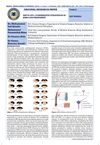
 GFC is more effective than PRP for treating hair loss.

This case report describes an 11-year-old canine diagnosed with Pemphigus Foliaceus, illustrating the role of trichogram, skin scraping, cytology, and histopathology in achieving an accurate diagnosis.
22 citations
,
April 2013 in “International Journal of Dermatology” Frontal fibrosing alopecia can occur with lichen planus pigmentosus, needing careful diagnosis and treatment.
 1 citations
,
June 2024 in “European Journal of Dentistry”
1 citations
,
June 2024 in “European Journal of Dentistry” This study found that human placenta extract may be a promising pulp-capping material, causing less intense chronic inflammation and thicker dentine bridge formation compared to mineral trioxide aggregate in dogs' teeth.
February 2024 in “Veterinary sciences” This study found that canine pemphigus foliaceus skin lesions exhibit a distinct immune signature, with upregulated pro-inflammatory and Th17-related genes, showing similarities to human pemphigus. Further research using advanced sequencing is needed to better understand the disease's pathogenesis.
 October 2023 in “European journal of dermatology/EJD. European journal of dermatology”
 In this study, I-PRF, a blood-derived biomaterial without anticoagulants, was found to inhibit melanin production and reduce oxidative stress damage in a rat model of melasma, suggesting it as a safe and cost-effective treatment option.
 86 citations
,
July 2012 in “British journal of dermatology/British journal of dermatology, Supplement”
86 citations
,
July 2012 in “British journal of dermatology/British journal of dermatology, Supplement” This report suggests a causal connection between hyaluronic acid filler injections and the development of xanthelasma, possibly through an inflammatory reaction that increases vascular permeability and LDL leakage.
 November 2021 in “CRC Press eBooks”
 This article reviews the characteristics and presentation of fibrosing alopecia in a pattern distribution, a form of scarring alopecia similar to androgenetic alopecia and lichen planopilaris, but provides no new clinical findings.
 June 2020 in “Journal of Investigative Dermatology”
 This study found that FDA-cleared devices for preparing platelet-rich plasma showed inconsistent product quality, with variable platelet counts and inadequate quality control performance, suggesting clinical improvement may not rely on platelet concentration.
 February 2026 in “International Journal of Molecular Sciences”
 This study found that PDLLA filler treatment may help combat age-related hair thinning by reducing oxidative stress and enhancing hair follicle function in both cell and animal models.
475 citations
,
October 2006 in “Proceedings of the National Academy of Sciences” This study suggests that folliculin, mutated in Birt–Hogg–Dubé syndrome, and its partner FNIP1 may play a role in energy and nutrient sensing through the AMPK and mTOR pathways.
 January 2017 in “Open Journal of Endocrine and Metabolic Diseases”
 This case report identifies an adolescent with symptoms indicative of Dunnigan-type partial lipodystrophy, emphasizing the need for early diagnosis to manage associated metabolic complications and improve self-esteem.
1 citations
,
December 2022 in “Pharmaceutics” This study found that finasteride-loaded microemulsions using poloxamer 124 significantly enhanced skin penetration of the drug compared to a standard solution, primarily through targeting hair follicles via the transfollicular pathway, with intercluster, intercellular, and transcellular pathways contributing less.
 134 citations
,
September 2008 in “Lasers in surgery and medicine”
134 citations
,
September 2008 in “Lasers in surgery and medicine” This study found that low fluence photoepilation with intense pulsed light targets the pigmented area of hair follicles, causing temporary hair loss by inducing a catagen-like state without severe follicle damage.