 68 citations
,
March 2008 in “Experimental dermatology”
68 citations
,
March 2008 in “Experimental dermatology” This study introduced a novel in vitro assay for tracking melanosome transfer between melanocytes and keratinocytes, facilitating the quantification of melanin transfer and supporting the role of filopodia as a conduit.
26 citations
,
June 2010 in “Electrophoresis” This study reported advances in identifying low-abundance proteins in wool by using fractionation techniques to reduce the dominance of intermediate filament proteins, improving the understanding of the wool proteome.
 April 2026 in “Zenodo (CERN European Organization for Nuclear Research)”
 In this study, researchers conducted an exploratory re-analysis of miRNA dysregulation and aging-related target enrichment using publicly available data on female pattern hair loss, comparing 3 FPHL scalp samples to 5 healthy female controls, and emphasized that the findings are preliminary and require further validation.
 1 citations
,
November 2020 in “bioRxiv (Cold Spring Harbor Laboratory)”
1 citations
,
November 2020 in “bioRxiv (Cold Spring Harbor Laboratory)” This study introduced a new high-throughput method for analyzing scalp hair morphology and found that quantifying hair form provides more accurate information than traditional classification based on racial categories, challenging the belief that cross-sectional morphology predicts hair curvature.
 5 citations
,
September 2014 in “Journal of Pharmaceutical Sciences” 12 citations
,
May 2017 in “Journal of pharmaceutical and biomedical analysis”
5 citations
,
September 2014 in “Journal of Pharmaceutical Sciences” 12 citations
,
May 2017 in “Journal of pharmaceutical and biomedical analysis” In this study, researchers developed a method using scalp cyanoacrylate biopsy and advanced imaging techniques to effectively measure and visualize the distribution of anti-dandruff shampoo ingredients zinc pyrithione and climbazole within the scalp follicular infundibulum.
10 citations
,
October 2009 in “Photomedicine and laser surgery” This study found that intense pulsed light treatment achieved a mean of 85% hair reduction in two patients with faun tail, although local anesthesia may be needed due to severe pain associated with neurological abnormalities.
 18 citations
,
May 2013 in “Journal of The American Academy of Dermatology”
18 citations
,
May 2013 in “Journal of The American Academy of Dermatology” This study concludes that elastic tissue staining is the most reliable method for identifying scarring patterns in alopecia biopsy specimens, and polarized microscopy may provide specific insights for nonscarring alopecia.
 February 2026 in “Cosmetics”
 This review examines the clinicopathologic features of perifollicular elastolysis and indicates that, while its presentation is consistent, there is a lack of high-certainty evidence for effective treatments.
 November 2020 in “Skin Research and Technology”
 This study found that videodermoscopy showed higher sensitivity and specificity than clinical examination for diagnosing female pattern hair loss and may serve as an alternative to scalp biopsy in the future.
August 2026 in “Fabad Journal of Pharmaceutical Sciences” This study developed a Neusilin® US2-based solid self-nanoemulsifying drug delivery system for finasteride that showed improved stability and drug delivery, with complete dissolution comparable to standard Propecia® tablets.
May 1988 in “Journal of Forensic Sciences” This study reports an improved method for determining blood type from human hair using immunohistochemistry.
 May 2023 in “Stem cell research & therapy”
 This study describes a novel method using force-triggered density gradient sedimentation for efficiently isolating dermal papilla cells from neonatal mouse skin, showing promise for hair follicle regeneration research.
December 2019 in “International journal of pharmaceutical quality assurance” This study developed and validated a sensitive and accurate UV spectrophotometric method for estimating finasteride concentrations, showing reliable results within a range of 5–25 μg/mL.
 3 citations
,
October 2022 in “PloS one”
3 citations
,
October 2022 in “PloS one” This study developed a method to culture and maintain chicken feather follicles in vitro, preserving structure and biology similar to their in vivo state, though some gene expression was altered.
 June 2020 in “Journal of Investigative Dermatology”
 This study found that human hair follicle dermal papilla cells and keratinocytes self-assembled differently in 3D spheroid co-cultures, providing insights into cell distribution and organogenesis during skin regeneration.
 3 citations
,
December 2020 in “International Journal of Women's Dermatology”
3 citations
,
December 2020 in “International Journal of Women's Dermatology” Scalp micro-wounding helps promote hair growth in female pattern hair loss.
3 citations
,
May 2014 in “PubMed” This study used a newly developed RP-HPLC method to accurately measure finasteride distribution in human cadaver skin after applying different vesicular drug delivery systems.
6 citations
,
August 2022 in “Molecules” This study indicates potential differences in the hair spectra of individuals with mood disorders, suggesting a promising, yet preliminary, method for noninvasive prediagnosis.
February 2022 in “arXiv (Cornell University)” This study introduces a novel method for capturing and digitally rendering the color appearance of physical hair samples using deep neural networks.
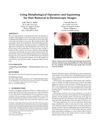
This study presents a new approach to automatically remove hair artifacts from dermoscopic images, which reportedly performed well compared to existing methods like DullRazor using the PH2 datasets.

Hair thickening procedures can help people with early hair loss when combined with proper scalp and hair care.
 11 citations
,
October 2020 in “Sensors”
11 citations
,
October 2020 in “Sensors” This study found that photoacoustic imaging can effectively measure follicle density and angles, even when follicles are not visible to the eye, providing a promising alternative to traditional photographic examination.
 January 2024 in “Dermatology practical & conceptual”
 In this publication, the authors explored whether there is a scientific basis for using lymecycline to treat frontal fibrosing alopecia, but the abstract does not provide study results or conclusions on its efficacy.
 1 citations
,
October 2020 in “Annales pharmaceutiques françaises”
1 citations
,
October 2020 in “Annales pharmaceutiques françaises” In this study, researchers developed and validated a rapid and robust chromatographic method to assess the concentration of Minoxidil and Finasteride in a new topical formulation for alopecia, demonstrating its ability to distinguish between different types of formulations using in vitro diffusion data.
 3 citations
,
January 2011
3 citations
,
January 2011 This study developed a precise and reliable UV spectrophotometric method for determining finasteride concentration in bulk and tablets, demonstrating strong linearity and accuracy.
 4 citations
,
January 2013 in “Dissolution Technologies”
4 citations
,
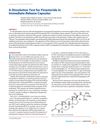
January 2013 in “Dissolution Technologies” This study optimized and validated a dissolution test method for immediate-release finasteride capsules, highlighting the need for an official standard due to variability in commercial products.
5 citations
,
March 2022 in “STAR Protocols” This article presents a protocol for using mouse tail skin to study hair follicle stem cells, enabling visualization of calcium signaling and other cellular features in various conditions but reports no new research data.
 5 citations
,
February 2018 in “Experimental Dermatology”
5 citations
,
February 2018 in “Experimental Dermatology” This study describes a method inspired by hair transplantation techniques to efficiently isolate eccrine sweat glands from human scalp hair grafts, potentially facilitating further research into their function.
 September 2025 in “The American Journal of Medical Sciences and Pharmaceutical Research”
 In this analysis, the authors examine how hairdressing techniques like thinning and micro-graduation can correct women's hairlines by softening optical contours and enhancing visual symmetry, emphasizing the relevance of individual factors such as morphology and stylistic expectations in selecting these non-medical approaches.