 December 2023 in “Research and reports in urology”
 This case report from the authors highlights a rare diagnosis of high-grade prostate cancer in a 35-year-old man, showing strong functional recovery and no detectable PSA one year after robotic-assisted radical prostatectomy despite the usual onset being significantly later in life.
 2 citations
,
January 2011 in “Clinical medicine insights”
2 citations
,
January 2011 in “Clinical medicine insights” The authors concluded that dutasteride is effective and generally safe for managing benign prostatic hyperplasia and may reduce prostate cancer risk.
 December 2023 in “Annals of phytomedicine”
 This study reports that dutasteride, used alone or with tamsulosin, effectively reduces acute urine retention and surgery risk in men with benign prostatic hyperplasia, and may lower prostate cancer incidence, suggesting potential chemopreventive benefits.
 29 citations
,
October 2011 in “British Journal of Dermatology”
29 citations
,
October 2011 in “British Journal of Dermatology” This study found that four microRNAs, which were significantly upregulated in balding hair follicle papilla cells, could play a role in the development of male pattern baldness.
 6 citations
,
January 2010 in “Neoplasma”
6 citations
,
January 2010 in “Neoplasma” In this study, researchers found that shorter CA repeats in the ERbeta gene are correlated with PSA expression, and PSA immunoexpression is associated with increased disease-free survival in breast cancer.
August 2013 in “The Journal of Urology” This article reviews various studies in adult urology, covering topics like urinary incontinence risk and testosterone supplementation, but does not report new research findings.
March 2015 in “Oncology Times” This study found no significant difference in long-term outcomes between short and prolonged androgen suppression before radiotherapy in men with intermediate-risk prostate cancer, but the standard radiotherapy dose used may affect the applicability of results.
 September 2009 in “European Urology Supplements”
 This study found that a 3 mm margin around the prostate CTV may be adequate if accompanied by frequent imaging, but superior-inferior displacements were notably greater than in other directions.
224 citations
,
February 2013 in “The Journal of clinical investigation/The journal of clinical investigation” This study identifies SOX9 as a critical downstream effector of ERG in TMPRSS2:ERG fusion-positive prostate cancer, indicating its role in tumor invasion and growth.
 September 2011 in “Urology”
 This study explores the clinical significance of the intravesical prostatic protrusion/prostate volume ratio in diagnosing bladder outlet obstruction but reports no new results.
November 2005 in “The Journal of Urology” This erratum addresses the long-term effects of finasteride on prostate-specific antigen levels but reports no new research findings.
10 citations
,
October 2012 in “Andrology” In this case study, researchers observed that steroidogenesis from adrenal androgens in prostate cancer tissues may explain progression in a 74-year-old man with low circulating testosterone.
 January 2006 in “Actas Urológicas Españolas”
 This retrospective study observed no significant difference in the prevalence of incidental prostate cancer between suprapubic prostatectomy and transurethral prostate resection groups, with most tumors being well differentiated and early-stage.
 September 2010 in “European Urology Supplements”
 The document does not confirm if radical prostatectomy is the best treatment for locally advanced prostate cancer.
 April 2010 in “The Journal of Urology”
 This study found that ureteroileal anastomosis with direct intraluminal visualization had a 4.2% stricture rate, which compares favorably to other techniques with rates between 3.5% and 11.1%.
59 citations
,
January 1976 in “Vitamins and hormones” This chapter discusses androgen receptors and protein synthesis in the prostate, reporting that DHT-dependent receptor protein translocation increases protein-synthesizing activity after androgen injection in rat models.
November 2022 in “American Journal of Clinical Pathology” In this case study, concurrent prostatic adenocarcinoma and a rare solitary fibrous tumor were identified on a transurethral resection of the prostate specimen.
This study found that in beagles with benign prostate hyperplasia, finasteride treatment increased blood volume and decreased vessel leakiness in the prostate's parenchymal zone as shown by dynamic contrast-enhanced MRI.
July 2026 in “British journal of surgery” This study found that a substantial number of patients continued tamsulosin and/or finasteride unnecessarily after prostate surgery, with poor documentation and communication contributing to this issue.
 April 2013 in “The Journal of Urology”
 Higher CRP levels suggest chronic inflammation is linked to bladder-related urinary symptoms in men with enlarged prostates.
 September 2011 in “Urology”
 This study aimed to estimate the value of urine prostate specific antigen (uPSA) as a marker for benign prostatic hyperplasia (BPH) but reported no new clinical findings.
This study found that cell strains overexpressing the androgen receptor proliferated better in low or no DHT conditions and translocated AR more efficiently than control strains.
November 2011 in “国际泌尿系统杂志” This study concluded that intraprostatic injection with drugs and high frequency thermotherapy was more effective for treating prostatitis after TURP than a combination of antibiotherapy, tamsulosin, and finasteride.
 April 2013 in “The Journal of Urology”
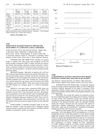
 Researchers created a simple tool to predict bladder blockage from prostate enlargement using urine flow rate and prostate volume.
January 2004 in “Anticancer Research” This study suggested that long-term finasteride treatment for BPH patients may induce neuroendocrine activity in the prostate, potentially increasing the risk of developing aggressive prostate cancer.
9 citations
,
April 2007 in “Journal of Andrology” This article reviews the management of excessive pre-ejaculate, highlighting case reports where 5-α-reductase inhibitors, such as finasteride and dutasteride, led to symptom resolution in patients reporting distress due to this condition.
This study suggests that endurance exercise training may alleviate hormonal and inflammatory factors associated with BPH in rats, although it does not improve autophagy regulation.
3 citations
,
February 2019 in “Molecular genetics and metabolism” This study found that coadministration of tadalafil and finasteride improved lower urinary tract symptoms and erectile function in men with benign prostatic hyperplasia better than finasteride alone over 26 weeks.
46 citations
,
January 2005 in “PubMed” This paper discusses risk factors and prevention strategies for acute urinary retention secondary to benign prostatic hyperplasia, emphasizing the role of PSA levels and the benefits of medications like finasteride and alpha-blockers, but reports no new clinical results.
 9 citations
,
September 2009 in “The Prostate”
9 citations
,
September 2009 in “The Prostate” In this study, finasteride doubled the duration of the first off-cycle in intermittent androgen deprivation therapy for mice with LNCaP tumors but did not improve overall survival.