 3 citations
,
June 2019 in “Journal of cosmetic dermatology”
3 citations
,
June 2019 in “Journal of cosmetic dermatology” In this study, tresses treated with pH 1.0 acid straightener showed better straightening but more damage to hair properties compared to those treated with pH 2.0.
 3 citations
,
April 2019 in “bioRxiv (Cold Spring Harbor Laboratory)”
3 citations
,
April 2019 in “bioRxiv (Cold Spring Harbor Laboratory)” In this study, beta-caryophyllene enhanced wound healing in female mice by improving re-epithelialization, cell proliferation, and cell migration, suggesting potential benefits of essential oil compounds in inflammation reduction.
 3 citations
,
January 2019 in “Česká a slovenská farmacie”
3 citations
,
January 2019 in “Česká a slovenská farmacie” This review discusses various types of microneedles and their potential to expand the range of drugs delivered via the skin, but reports no new clinical results.
 3 citations
,
April 2018 in “Holzforschung”
3 citations
,
April 2018 in “Holzforschung” This study identified seven compounds from Cercidiphyllum japonicum twig extracts, including a newly discovered flavonoid, marking the first time these specific compounds have been isolated from this genus.
 3 citations
,
January 2015 in “Journal of drug assessment”
3 citations
,
January 2015 in “Journal of drug assessment” This study found that five 0.1 mg dutasteride capsules are bioequivalent to one 0.5 mg dutasteride capsule in healthy adult males under fasting conditions, and both were well tolerated.
 3 citations
,
January 2011 in “Journal of biologically active products from nature”
3 citations
,
January 2011 in “Journal of biologically active products from nature” This study found that the polyherbal formulation F1, containing five traditional herbs, significantly enhanced hair growth in terms of length and thickness, suggesting potential for alopecia treatment.
 3 citations
,
October 2010 in “Wiley-VCH Verlag GmbH & Co. KGaA eBooks”
3 citations
,
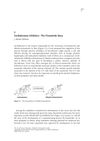
October 2010 in “Wiley-VCH Verlag GmbH & Co. KGaA eBooks” Finasteride safely treats enlarged prostate and male-pattern baldness.
 3 citations
,
September 2005 in “International Journal of Cosmetic Science”
3 citations
,
September 2005 in “International Journal of Cosmetic Science” This study found that monounsaturated oils like olive oil penetrate hair fibers effectively, whereas polyunsaturated oils typically do not penetrate beyond the cuticle.
 3 citations
,
July 1993 in “Contraception”
3 citations
,
July 1993 in “Contraception” In this study, elevated prolactin and DHEA-S levels along with reduced SBP were observed in fertile non-obese women with moderate body hair compared to controls, and ethynylestradiol plus desogestrel or cyproterone acetate treatment improved clinical outcomes by increasing SBP.

This study found that a combination of betulin and cytostatic Namitecan had a statistically significant synergistic effect on solid Ehrlich adenocarcinoma tumors in NMRI mice, and suggests a promising method for administering betulin in in vivo experiments despite its water insolubility.
 2 citations
,
March 2025 in “International Journal of Advanced Science and Engineering”
2 citations
,
March 2025 in “International Journal of Advanced Science and Engineering” This review highlights that nanoemulsions, especially those with droplet sizes under 200 nm, show promise in pharmaceuticals and cosmetics by improving drug stability, bioavailability, and reducing side effects, with potential applications in CNS diseases, cancer treatments, and skincare products.
 2 citations
,
November 2024 in “AAPS PharmSciTech”
2 citations
,
November 2024 in “AAPS PharmSciTech” In this study, researchers found that niosomes, bilosomes, and spanlastic formulations can enhance the oral anticoagulation efficiency of rivaroxaban in rats, with spanlastic ranked as the most effective in prolonging clotting, prothrombin, and tail bleeding times compared to unprocessed rivaroxaban.
 2 citations
,
February 2024 in “Nature cell biology”
2 citations
,
February 2024 in “Nature cell biology” In this research, the authors identify coordinated mechanical forces as crucial for hair follicle development in mammals, with contractile, proliferative, and proteolytic activities facilitating the formation and sectioning of epithelial structures crucial for forming a functional tissue.
 2 citations
,
January 2024 in “Journal of Pharmacognosy and Phytochemistry”
2 citations
,
January 2024 in “Journal of Pharmacognosy and Phytochemistry” The study highlights Teak's (Tectona grandis) diverse applications beyond high-quality timber, emphasizing its bioactive compounds' pharmacological potential in cancer treatment and other uses across traditional medicine, cosmetics, and biodiesel production.
 2 citations
,
September 2023 in “Scientific reports”
2 citations
,
September 2023 in “Scientific reports” This study reports that zinc oxide or silver nanoparticles capped with vitamin A or E, incorporated into wheat gluten films, showed significant potential in promoting burn wound healing in mice by facilitating wound contraction, re-epithelialization, and collagen deposition, while also exhibiting antioxidant and antibacterial properties.
 2 citations
,
June 2023 in “Journal of cell science”
2 citations
,
June 2023 in “Journal of cell science” In this study, researchers found that specific mutations in iRhom2 in mice lead to skin and hair abnormalities which depend on the presence of the protein ADAM17, suggesting a complex role for iRhom2 in tissue development and potential implications for treating tylosis with oesophageal cancer.
This research developed a zinc-doped nanocomposite using biodegradable materials, observing effective bone targeting and regeneration capabilities in vivo, with no observed cytotoxicity in the MG63 cell line, potentially due to blocking Farnesyl Diphosphate Synthetase to inhibit osteoclastic activity and promote osteogenesis.
 2 citations
,
January 2023 in “Bioresource Technology Reports”
2 citations
,
January 2023 in “Bioresource Technology Reports” This study suggests that using glycosidases to lyse the polysaccharides of Botryoccocus braunii may allow for the semi-continuous recovery of hydrocarbons while keeping the cells viable.
 2 citations
,
December 2022 in “PÄDI Boletín Científico de Ciencias Básicas e Ingenierías del ICBI”
2 citations
,
December 2022 in “PÄDI Boletín Científico de Ciencias Básicas e Ingenierías del ICBI” This review provides an overview of composite scaffold materials for skin that mimic natural dermal tissue, and highlights their potential in treating chronic wounds like diabetic foot by promoting cellular growth.
 2 citations
,
October 2022 in “International journal of Ayurvedic medicine”
2 citations
,
October 2022 in “International journal of Ayurvedic medicine” This review examines the traditional uses and biological activities of Glycyrrhiza glabra in Ayurveda, but reports no new clinical results; the authors identify a gap in evidence supporting its medicinal potential.
 2 citations
,
January 2022 in “Rasayan journal of Chemistry”
2 citations
,
January 2022 in “Rasayan journal of Chemistry” This study analyzed the affinity, stability, and pharmacokinetics of compounds from Sansevieria trifasciata, reporting that three compounds showed promising molecular docking results against the androgen receptor and satisfactory pharmacokinetic profiles, similar to minoxidil, in an in-silico setting.
 2 citations
,
May 2021 in “Molecules”
2 citations
,
May 2021 in “Molecules” This study reports that the metanephrine content was significantly higher in patients with alopecia areata compared to those without the condition.
 2 citations
,
April 2021 in “bioRxiv (Cold Spring Harbor Laboratory)”
2 citations
,
April 2021 in “bioRxiv (Cold Spring Harbor Laboratory)” This study found that skin surface lipids contain measurable mRNAs, providing a non-invasive way to study skin diseases, with specific gene expression changes observed in atopic dermatitis patients.
 2 citations
,
December 2020 in “Phytomedicine plus”
2 citations
,
December 2020 in “Phytomedicine plus” In this study, researchers found that taking Saw palmetto and Pygeum africana supplements for five days altered the urinary steroid profile in a way that may interfere with the steroidal module of the Athlete Biological Passport.
 2 citations
,
October 2020 in “Drug Discoveries & Therapeutics”
2 citations
,
October 2020 in “Drug Discoveries & Therapeutics” This study observed that Althaea officinalis gel increased fibroblast populations, hair follicles, and vessel diameter in rat wounds, suggesting it might aid wound healing, though further clinical studies are needed.
 2 citations
,
March 2019 in “European Journal of Dermatology”
2 citations
,
March 2019 in “European Journal of Dermatology” This study concluded that shampoos sold in pharmacies generally contain fewer regulated allergens under EU law compared to those sold in mass-market stores or by mail order, and pharmacy-sold baby shampoos were allergen-free.
 2 citations
,
April 2018 in “Natural Product Communications”
2 citations
,
April 2018 in “Natural Product Communications” This review summarizes the bioactive compounds and pharmacological functions of Cynomorium songaricum Rupr., emphasizing its potential in developing health-related products, and notes that further research is needed.
 2 citations
,
January 2018 in “International Journal of ChemTech Research”
2 citations
,
January 2018 in “International Journal of ChemTech Research” This study used phytochemical screening and FTIR spectroscopy with PCA to reveal slight chemical differences between two varieties of Eclipta alba, providing a method for their effective discrimination.
 2 citations
,
December 2017 in “Bangladesh Journal of Pharmacology”
2 citations
,
December 2017 in “Bangladesh Journal of Pharmacology” In this study, N. sativa oil and decoction significantly protected against chemotherapy-induced alopecia in albino rats.
 2 citations
,
February 2016 in “African Journal of Traditional Complementary and Alternative Medicines”
2 citations
,
February 2016 in “African Journal of Traditional Complementary and Alternative Medicines” In this study, prolonged ingestion of linseed in rabbits was observed to be safe, showing no significant weight gain or anatomical anomalies in liver and kidney biopsies.