 4 citations
,
May 2019 in “Zeitschrift für Naturforschung C”
4 citations
,
May 2019 in “Zeitschrift für Naturforschung C” This study found that Ishige sinicola extract stimulated osteoblast differentiation and bone formation in MC3T3-E1 cells, suggesting potential use for osteoporosis prevention and treatment.
65 citations
,
October 2015 in “Acta Biomaterialia” This study found that using a pH-sensitive layered double hydroxide nanocarrier to deliver etoposide significantly reduced liver toxicity and enhanced the drug’s effectiveness in targeting and suppressing non-small cell lung cancer.
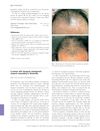 13 citations
,
February 2007 in “British Journal of Dermatology”
13 citations
,
February 2007 in “British Journal of Dermatology” EF and PXE not closely related.
 4 citations
,
January 1994 in “Yakugaku zasshi”
4 citations
,
January 1994 in “Yakugaku zasshi” In this study, EPC-K, a compound with antioxidant and moisturizing effects, was found to decompose significantly under certain conditions, impacting its stability in quasi drug hair-growing products.
This study found that while 11-oxyandrogens are linked to excess hair growth, they do not aid in diagnosing PCOS and require further research to determine their clinical utility.
31 citations
,
September 1999 in “Molecular Carcinogenesis” This study in a transgenic mouse model found that repressing overexpression of ornithine decarboxylase reduced papilloma development, indicating its role in tumor promotion sensitivity.
 May 1981 in “Inpharma (Balgowlah)”
 Medroxyprogesterone acetate improved sleep apnea symptoms in some obese patients.
 June 2013 in “D-Scholarship@Pitt (University of Pittsburgh)”
 This article discusses the development of an interactive workbook by OCCAM to help cancer patients communicate their use of complementary and alternative medicine with healthcare providers and reports no clinical results.
16 citations
,
November 2018 in “The journal of pain/Journal of pain” This study found that in a rat model, 14,15-EET may alleviate central poststroke pain by enhancing thalamic inhibition through neurosteroid signaling, potentially outperforming gabapentin in early-stage treatment.
July 2021 in “British Journal of Dermatology” This report describes a boy with ectodermal dysplasias who was genetically diagnosed due to newly discovered TSPEAR gene variants, which have now been associated with this condition.
 August 2015 in “MOJ proteomics & bioinformatics”
 This study suggests that epithelial-derived pop-up keratinocytes (ePUKs) may improve regenerative medicine applications due to their specific phenotype and increased expression of proteins involved in regulating cellular movement and wound healing.
 May 2020 in “International Journal of Clinical Obstetrics and Gynaecology”
 This article reviews the medical history and symptoms related to hyperandrogenism in patients, but reports no new clinical findings.
 August 2018 in “Journal of The American Academy of Dermatology”
 Ozenoxacin 1% cream is an effective and safe treatment for impetigo in children and adults.
This observational study reviewed thyroid eye disease patients treated with teprotumumab at one center, reporting common side effects like fatigue and dry eye symptoms, with serious adverse events including two cases of blood clots and one pulmonary embolism.
5 citations
,
July 1987 in “European Journal of Obstetrics & Gynecology and Reproductive Biology” This study found that a combined oral contraceptive containing ethinyl estradiol and desogestrel appeared effective in temporarily treating ovarian hyperandrogenism in adolescents, with reductions in hormone levels and ovarian volume observed.
 May 2021 in “Journal of the Endocrine Society”
 This case report describes a 47-year-old woman diagnosed with a rare Sertoliform endometrioid carcinoma of the ovary, emphasizing its early-stage presentation and generally favorable prognosis.
 11 citations
,
March 2020 in “American Journal of Medical Genetics Part A”
11 citations
,
March 2020 in “American Journal of Medical Genetics Part A” This study identified a novel homozygous EDNRA variant linked to Oro-Oto-Cardiac Syndrome and showed that EDNRA signaling is essential for normal craniofacial and cardiovascular development.
October 2025 in “The American Journal of Gastroenterology” In this case report, the researchers diagnosed a large trichobezoar in a 7-year-old girl with gastrointestinal symptoms and weight loss through endoscopy after inconclusive imaging, highlighting endoscopy's importance for accurate diagnosis and the need for surgical and behavioral intervention to prevent recurrence.
11 citations
,
November 2018 in “British Journal of Dermatology” In this study, adults with persistent facial erythema of rosacea showed significantly greater improvement when treated with once-daily oxymetazoline cream compared to a vehicle, and using baseline photographs in assessments enhanced the accuracy by reducing perceived vehicle effects.
1 citations
,
April 2025 in “Skin Health and Disease” This study is collecting real-world data to evaluate abrocitinib and conventional systemic treatments in moderate-to-severe atopic dermatitis across five European registers over a three-year period.
1 citations
,
January 2021 in “Elsevier eBooks” This study found that olive and olive oil may significantly reduce cardiovascular disease risk, cholesterol, and blood pressure, while offering antioxidant protection through bioactive metabolites like oleuropein.
 2 citations
,
April 2018 in “Journal of Investigative Dermatology”
2 citations
,
April 2018 in “Journal of Investigative Dermatology” This study defines two types of RDEB wounds, chronic open and recurrent, and finds that patient self-reports on wound size correlate well with investigator measurements when complemented by serial photography.
 9 citations
,
January 2014 in “Dermatology online journal”
9 citations
,
January 2014 in “Dermatology online journal” This pilot study evaluated bimatoprost ophthalmic solution 0.03% for eyebrow hair regrowth in ten female patients, but reports no new clinical results.
 6 citations
,
October 2018 in “Bioelectromagnetics”
6 citations
,
October 2018 in “Bioelectromagnetics” This study found that treating a 3D hair dermal papilla model with rice bran extract and electromagnetic fields increased melanogenesis, suggesting potential for vitiligo and white hair therapies.
 1 citations
,
August 2023 in “Journal of Dentomaxillofacial Science”
1 citations
,
August 2023 in “Journal of Dentomaxillofacial Science” This study found that freeze-dried homologous platelet-rich plasma (FD HPRP) increased osteocalcin levels in cultured osteoblasts, suggesting its potential to support bone regeneration in periodontal treatment.
 April 2016 in “Journal of The American Academy of Dermatology”
 This study found that patients with androgenetic alopecia had higher symptom-related quality of life impairment than those with alopecia areata, with specific influences from age, disease duration, and severity.
4 citations
,
January 1992 in “American Journal of Ophthalmology” 10 citations
,
April 2022 in “Critical reviews in food science and nutrition” This review examines the potential role of odorant receptors in human skin cells responding to flavor compounds and their implications for skin health and disease, without providing new clinical results.
 1 citations
,
December 2023 in “npj biofilms and microbiomes”
1 citations
,
December 2023 in “npj biofilms and microbiomes” This review highlights the potential of genetically or metabolically engineered live biotherapeutic products (eLBPs) for skin repair and disease treatment but emphasizes that translating these innovations into practical clinical applications remains challenging, requiring further research and development.