59 citations
,
October 1976 in “Acta Neurologica Scandinavica” This study found that sodium valproate significantly reduced seizure frequency by over 50% in about 70% of patients with generalized seizures but was less effective for partial seizures.
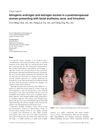 August 2009 in “International Journal of Dermatology”
 This case report describes a postmenopausal woman who experienced facial erythema, acne, and hirsutism due to excess androgen and estrogen levels.
 8 citations
,
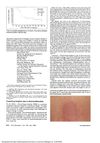
July 1990 in “Archives of Dermatology”
8 citations
,
July 1990 in “Archives of Dermatology” This case report details a fixed-drug eruption in a woman linked to the use of dextromethorphan, marking it as a previously unreported skin reaction to this medication.
 11 citations
,
April 2021 in “Advanced synthesis & catalysis”
11 citations
,
April 2021 in “Advanced synthesis & catalysis” This study reports that the dye peri-xanthenoxanthene (PXX) can act as an efficient photocatalyst for various radical reactions, including complex dual catalytic processes and the synthesis of an investigational drug intermediate.
January 2024 in “International journal of molecular sciences” This study found that boosting the synthesis of neural-derived 17β-estradiol effectively counteracted the impairment of hippocampal long-term potentiation caused by amyloid beta 1-42 in rat hippocampal slices, with the effect seemingly linked to glutamate NMDAR signaling.
3 citations
,
January 1982 in “Australian journal of biological sciences” This study found that ethionine significantly inhibited wool growth in sheep, with L- and D-isomers being equally effective, but did not cause hair loss in sucking mice or rats.
29 citations
,
December 2022 in “Journal of Nanobiotechnology” In this study, IFN-γ-stimulated iPSC-derived mesenchymal stem cell extracellular vesicles improved atopic dermatitis in mice by reducing Th2 cytokine activity, suppressing inflammation, and restoring skin barrier function, as evidenced by decreased itching and inflammatory markers.
1 citations
,
May 2025 in “Cytotechnology” This study observed that Icariside II, an extract from Epimedium brevicornu Maxim, can inhibit the growth of gastric cancer in cell lines and mouse models by promoting apoptosis and suppressing the Wnt/β-catenin signaling pathway, with minimal toxicity to normal gastric cells.
34 citations
,
March 2020 in “British Journal of Dermatology” This study suggests that topical corticosteroids, potentially combined with oral zinc and followed by topical calcineurin inhibitors, may be effective for managing erosive pustular dermatosis of the scalp.
November 2010 in “International Journal of Developmental Neuroscience” 8 citations
,
June 2021 in “Frontiers in Medicine” This study reported that the combination of a 308-nm excimer lamp and 10% liquor carbonis detergens significantly improved scalp psoriasis symptoms compared to the excimer lamp alone, with more patients achieving 75% reduction in their Psoriasis Scalp Severity Index.
 37 citations
,
May 2007 in “International Journal of Pharmaceutics”
37 citations
,
May 2007 in “International Journal of Pharmaceutics” The study concluded that poly(propylene carbonate maleate) microspheres effectively encapsulated finasteride, achieving a biphasic release with prolonged drug release over 5-6 weeks in vitro.
5 citations
,
January 2017 in “Nevrologiâ, nejropsihiatriâ, psihosomatika” In this study, sustained-release sodium valproate showed high efficacy in achieving seizure remission for adults with focal and generalized epilepsy over one year, but side effects like weight gain and tremor were more frequent among heterozygous carriers of certain gene variants.
 40 citations
,
March 1984 in “Acta dermato-venereologica”
40 citations
,
March 1984 in “Acta dermato-venereologica” This study concluded that etretinate showed only moderate effects in treating lichen sclerosus and localized scleroderma, with some patients experiencing clearing but others having no resolution or lesion progression.
 6 citations
,
December 2020 in “Biological & Pharmaceutical Bulletin”
6 citations
,
December 2020 in “Biological & Pharmaceutical Bulletin” This study found that certain fatty acids and triterpenoid-glycosides from Eclipta prostrata L. leaves exhibit potent inhibitory effects on the protein tyrosine phosphatase 1B enzyme, suggesting potential anti-diabetic and anti-obesity benefits.
 3 citations
,
November 2022 in “Advances in Clinical and Experimental Medicine”
3 citations
,
November 2022 in “Advances in Clinical and Experimental Medicine” The authors reported that electrochemotherapy and electroporation-based treatments, both with and without cytotoxic drugs, show promise as safer and more effective options for breast cancer treatment, including metastatic cases and palliative care, in vitro and in vivo.

This letter highlights that septicemia or bacteremic shock can be a complication of enemas in elderly men with prostate infections.
 April 2026 in “Zenodo (CERN European Organization for Nuclear Research)”
 This study examines how conditions like PSSD, Long COVID, and ME/CFS form a "Post-Exposure Syndromes" family, initiated by transient exposures but persisting due to complex state-space dynamics, and suggests improving pharmacovigilance to better address and understand these persistent syndromes.
 August 2026 in “Dermatology and Therapy”
 In this study, patient-reported outcomes indicated that greater weight loss with GLP-1RA treatments was associated with increased reports of adverse cosmetic effects such as skin laxity, facial volume loss, and hair shedding, despite improvements in some preexisting inflammatory skin conditions.
10 citations
,
July 1980 in “British Journal of Dermatology” This study observed that applying polyamines to the skin of hairless mice stimulates thymidine incorporation, suggesting polyamines may play a role in DNA synthesis control in the epidermis.
 June 1995 in “International Journal of Gynecology & Obstetrics”
 This article discusses immunohistochemical analysis of estrogen and progesterone receptors in endometrium and peritoneal endometriosis, introducing a new quantitative method, but reports no new experimental results.
 15 citations
,
April 2008 in “Steroids”
15 citations
,
April 2008 in “Steroids” This study found that pregnane derivatives with higher lipophilicity, like compound 9d, had stronger androgen receptor binding and greater antiandrogenic effects in rats, correlating relative binding affinity with log P values.
23 citations
,
November 2007 in “Journal of cutaneous medicine and surgery” This case report suggests that topical tacrolimus may effectively manage erosive pustular dermatosis of the scalp and reverse skin atrophy, although long-term use requires monitoring for side effects.
1 citations
,
March 2022 in “JAAD case reports” This case report describes a rare occurrence of injection site reactions in a 77-year-old woman with eosinophilic fasciitis using subcutaneous methotrexate, marking the first documented instance in this patient population.
 3 citations
,
June 1987 in “British Journal of Dermatology”
3 citations
,
June 1987 in “British Journal of Dermatology” In this study, nifedipine provided rapid symptomatic relief in most patients with severe recalcitrant perniosis, but some experienced side effects that limited dosage and two patients were lost to follow-up.
 May 1963 in “American journal of obstetrics and gynecology”
 This study found that a single 2 ml injection of TEEV every 4 weeks offers similar beneficial effects with fewer side effects compared to injecting the same dose every 2 weeks in postmenopausal women.
 17 citations
,
January 2010 in “Acta Dermato Venereologica”
17 citations
,
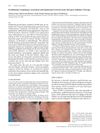
January 2010 in “Acta Dermato Venereologica” This report details a case of a 43-year-old woman developing yellowish papular eruptions alongside typical acneiform skin reactions on her cheeks and chest following a switch from cetuximab to panitumumab treatment.
 November 2022 in “The journal of investigative dermatology/Journal of investigative dermatology”
 This study found that applying ivermectin 1% cream significantly improved both visible symptoms like erythema and invisible symptoms such as stinging, burning, and dryness in rosacea patients over a period of at least 16 weeks.
 February 2020 in “International Journal of Research in Dermatology”
 This study emphasizes that erosive pustular dermatosis of the scalp is an underrecognized condition, and increased awareness and diagnosis can improve patient outcomes by preventing further scalp damage.
105 citations
,
April 2017 in “International Journal of Nanomedicine” In this study, ethosomes were found to improve the skin penetration of a model lipophilic drug more effectively than liposomes or hydroethanolic solutions, suggesting a unique mechanism involving the breakdown of vesicles in the skin.