 1 citations
,
May 1976 in “Archives of Dermatology”
1 citations
,
May 1976 in “Archives of Dermatology” This report indicates that crash dieting followed by substantial weight loss may lead to hair loss, known as telogen effluvium.
 11 citations
,
May 1976 in “Archives of Dermatology”
11 citations
,
May 1976 in “Archives of Dermatology” This report describes a case of probable telogen effluvium associated with stress and recent relocation, contributing to evidence of hair loss linked to weight reduction programs.
May 2004 in “Medicine & Science in Sports & Exercise” In this case study, increasing daily calories and adding resistance training led to a 35% increase in resting metabolism and a 3% reduction in body fat over six weeks.
67 citations
,
September 2017 in “Cell Reports” Caloric restriction improves skin and fur structure but can cause muscle loss and movement issues.
50 citations
,
March 1992 in “PubMed” This review discusses the clinical manifestations of malnutrition in children, particularly highlighting the overlapping skin changes from various nutrient deficiencies, and reports no new clinical results.
14 citations
,
February 1982 in “American Journal of Clinical Nutrition” This study observed that Nigerians with lower serum albumin levels had a significantly reduced hair epilation force, suggesting that hair pluckability might indicate protein depletion rather than energy depletion.
April 2015 in “Our Dermatology Online” This report presents a case of acrodermatitis enteropathica in a 22-year-old female, highlighting the absence of underlying comorbid conditions.
 April 1978 in “Pediatric research”
 This study found that zinc levels in hospitalized patients with significant weight loss did not correlate with taste perception or vitamin A status, even in those with reduced taste acuity.
 4 citations
,
July 2013 in “Journal of dermatology”
4 citations
,
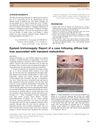
July 2013 in “Journal of dermatology” Malnutrition can cause unusual eyelash growth and hair loss.
October 2025 in “Indonesian Journal of Global Health Research” In this study, researchers found that nutritional status is the most significant predictor of physical appearance among children and adolescents with cancer, with better nutrition correlating with a more favorable appearance and reducing psychological distress related to body image concerns.
 11 citations
,
October 2015 in “Journal der Deutschen Dermatologischen Gesellschaft”
11 citations
,
October 2015 in “Journal der Deutschen Dermatologischen Gesellschaft” This study observed that women post-bariatric surgery may be at increased risk for dermatological signs of malnutrition during subsequent pregnancies, highlighting the need for dermatologists to recognize these early symptoms.
 January 2024 in “JAAD case reports”
 This study discusses zinc's vital role in skin cell growth and how its deficiency can lead to acrodermatitis enteropathica, marked by symptoms like alopecia and dermatitis. It notes that similar symptoms appear in people with certain metabolic conditions, referred to as acrodermatitis dysmetabolica.
6 citations
,
January 2000 in “The Journal of Trace Elements in Experimental Medicine” In this study, an 11-year-old girl with acrodermatitis enteropathica showed significant improvement in symptoms after oral zinc therapy.
 47 citations
,
July 1967 in “Science”
47 citations
,
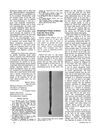
July 1967 in “Science” This study observed morphological changes in scalp hair follicles of humans deprived of protein for 15 days, which suggests potential use in diagnosing protein-calorie malnutrition.
8 citations
,
July 2020 in “The Egyptian Rheumatologist” This study found that nutritional deficiencies are common in Egyptian patients with rheumatic diseases, particularly among the elderly, and should be routinely monitored regardless of disease type or duration.
 1 citations
,
January 2009 in “Elsevier eBooks”
1 citations
,
January 2009 in “Elsevier eBooks” This article reviews the endocrine changes in anorexia nervosa and bulimia nervosa, highlighting hypoleptinemia as a potential mediator, but does not present any new clinical results.
 July 1975 in “Archives of Dermatology”
 This article reports a case of macular amyloidosis associated with myelofibrosis with myeloid metaplasia, a combination not previously documented.
 1 citations
,
May 2006 in “Thyroid Research and Practice”
1 citations
,
May 2006 in “Thyroid Research and Practice” In this study, 56% of patients with hypothyroidism had dry, coarse skin, while weight gain and lethargy were also common complaints.
April 2025 in “Revista Digital de Postgrado” In this study, researchers at the Hospital Militar Universitario “Dr. Carlos Arvelo” found that among children under five with severe malnutrition, skin pigmentation changes and extreme thinness were the most common signs.
 March 2025 in “Journal of Medical Research and Surgery”
 This report details a case of severe protein-energy malnutrition resembling kwashiorkor in a 43-year-old woman after bariatric surgery, highlighting the crucial role of early diagnosis and a multidisciplinary approach in managing nutritional complications and improving outcomes in similar patients.
September 2007 in “The American Journal of Gastroenterology” This case report illustrates that Systemic Lupus Erythematosus can lead to severe malabsorption, weight loss, and small bowel inflammation, requiring recognition for effective treatment and improved outcomes.
 June 2012 in “Springer eBooks”
 Eating disorders can cause various hair problems, and while hair loss in these disorders is linked to metabolic syndrome, treatment focuses on specific medications and lifestyle changes for the syndrome.
246 citations
,
April 1976 in “Annals of Surgery” In this study, a syndrome of zinc deficiency was observed in adults receiving intravenous feeding, with zinc supplementation improving symptoms except for delayed hair regrowth.
1 citations
,
June 2019 in “Gut” This case report describes a 75-year-old carpenter with unexplained weight loss, fingernail loss, and discoloration of the palms and soles, whose diagnostic investigations revealed hypertrophic pangastritis and enteritis.
January 2000 in “The Journal of Trace Elements in Experimental Medicine” In this case report, an 11-year-old girl with acrodermatitis enteropathica experienced a complete resolution of symptoms following oral zinc therapy, highlighting its effectiveness in managing this condition.
 January 2023 in “World Journal of Clinical & Medical Images”
 This report discusses a late-onset case of Cronkhite-Canada syndrome that improved with prednisone treatment, highlighting the importance of early diagnosis to reduce life-threatening complications.
 32 citations
,
June 1976 in “JAMA”
32 citations
,
June 1976 in “JAMA” In this study, nine individuals who underwent rigorous weight loss programs experienced significant hair loss, which researchers attributed to insufficient energy supply to the hair matrix, with regrowth occurring within months.

In this case study, a 51-year-old woman with acquired acrodermatitis enteropathica linked to nutritional zinc deficiency showed significant improvement in skin and hair symptoms one week after receiving zinc gluconate, topical applications, and supportive TPN therapy, highlighting the importance of early recognition and treatment.
 15 citations
,
October 2017 in “Clinics in Dermatology”
15 citations
,
October 2017 in “Clinics in Dermatology” This article reviews risk factors and warning signs of elder abuse in different settings, emphasizing the importance of dermatologists in correctly identifying potential abuse injuries, but presents no new clinical findings.
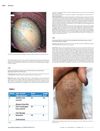 October 2017 in “The American journal of gastroenterology”
 This case series highlights severe micronutrient deficiencies and complications in three patients who did not adhere to follow-up care after Roux-en-Y gastric bypass, emphasizing the importance of regular nutritional monitoring.