August 2000 in “Microscopy and Microanalysis” This study used novel methods to detect and map iodine concentrations in pig skin, finding iodine present in the coating, stratum corneum, and tissue around hair follicles.
October 2021 in “European urology open science” 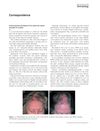 12 citations
,
November 2011 in “International Journal of Dermatology”
12 citations
,
November 2011 in “International Journal of Dermatology” A woman developed a scalp condition from using minoxidil, which improved with a different treatment but left scarring.
 September 2025 in “Dicle Medical Journal / Dicle Tip Dergisi”
 In this retrospective study, researchers found that fungal infections, xerosis, eczematous dermatitis, and seborrheic dermatitis were the most common dermatological findings among patients with Parkinson's disease, Multiple Sclerosis, and Amyotrophic Lateral Sclerosis, with significant intergroup differences observed.
18 citations
,
January 2018 in “BMC dermatology” This paper describes a case of epidermolysis bullosa simplex with muscular dystrophy associated with a novel PLEC mutation and diffuse alopecia, highlighting a potential genetic link that remains uncertain.
 30 citations
,
March 2001 in “Environmental Health Perspectives”
30 citations
,
March 2001 in “Environmental Health Perspectives” This review explores the significant impacts of hormonal changes within normal physiological ranges and suggests examining low-dose effects from chemicals disrupting hormonal activity; it presents no new clinical results.
2 citations
,
January 2018 in “Biomolecules & therapeutics” This study found that polyamidoamine dendrimers can permeate skin's current conducting pores and alter the magnitude and direction of electroosmotic flow, affecting drug flux during iontophoresis.
January 2026 in “Microorganisms” In a DNFB-induced mouse model of atopic dermatitis, this study found that both topical and oral formulations of the probiotic Bifidobacterium animalis J12 improved AD symptoms through distinct mechanisms, with topical applications reducing local inflammation and oral administration enhancing gut microbiota and reducing systemic inflammation.
 January 2016 in “Research Explorer (The University of Manchester)”
 Activating the Eda/Edar pathway improves wound healing by enhancing hair follicle growth.
5 citations
,
October 2012 in “Australian veterinary journal” This report describes two South Australian Poll Hereford calves with a syndrome of congenital dyserythropoietic anaemia, dyskeratosis, and progressive alopecia, observing specific blood and bone marrow abnormalities.
 8 citations
,
November 1990 in “Archives of Dermatology”
8 citations
,
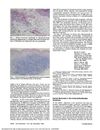
November 1990 in “Archives of Dermatology” This case report details a woman with eosinophilia-myalgia syndrome associated with L-tryptophan ingestion, highlighting skin lesions with abundant dermal mucin.
 3 citations
,
January 2021 in “Journal of The American Academy of Dermatology”
3 citations
,
January 2021 in “Journal of The American Academy of Dermatology” This study observed that atopic dermatitis severity was associated with higher eosinophil counts and FLG variants, suggesting distinct endotypes that may require tailored treatment approaches.
 3 citations
,
July 2017 in “Elsevier eBooks”
3 citations
,
July 2017 in “Elsevier eBooks” This article reviews the identification and assessment of cutaneous drug reactions, emphasizing the importance of early recognition and the need for accurate diagnosis to prevent serious complications; it reports no new clinical results.
5 citations
,
March 2019 in “Scandinavian journal of rheumatology” This article discusses the potential misdiagnosis issues in cutaneous manifestations of lupus erythematosus and reports no new research findings.
 May 2024 in “ABDIKAN Jurnal Pengabdian Masyarakat Bidang Sains dan Teknologi”
 This study identified a high prevalence of Enterobiasis among children in Indonesia, linked to poor sanitation and healthcare access, and found that a holistic family medicine approach improved patient understanding and treatment compliance, thereby enhancing their quality of life.
 16 citations
,
April 2016 in “PLoS ONE”
16 citations
,
April 2016 in “PLoS ONE” In a porcine model, this study observed that using an External Tissue Expansion Device increased epidermis thickness, cell proliferation, and vessel density at fat graft recipient sites.
 1 citations
,
March 2004 in “Journal of the American Academy of Dermatology”
1 citations
,
March 2004 in “Journal of the American Academy of Dermatology” This study discusses two cases of acneiform skin eruptions associated with the use of the EGFR inhibitor ZD1839 in prostate cancer treatment, emphasizing the need for dermatologists to be aware of potential skin reactions.
March 2024 in “European Journal of Neuroscience” This study, using a reporter mouse line, characterized diverse subtypes of dopaminergic neurons in the enteric nervous system, identifying unique subtypes with potential roles in gut function and disease.
26 citations
,
June 2004 in “Clinical Genetics” This study describes a case of epidermolysis bullosa simplex where maternal somatic and germline mosaicism was identified, highlighting the significance for genetic counseling in sporadic cases.
April 2026 in “Therapeutic Advances in Drug Safety” This study developed a new clustering model to improve detection of drug-induced cognitive disorder risk signals, finding that it identified drugs with moderate risk signals, like Carbidopa/Levodopa, missed by traditional methods, enhancing clinical assessment comprehensiveness.
3 citations
,
January 1977 in “Electroencephalography and Clinical Neurophysiology” December 2019 in “Saintika Medika” This case report describes a rare instance of a 23-year-old woman with both Epidermolysis Bullosa Acquisita and aggressive systemic lupus erythematosus, suggesting a potential immunogenetic link through HLA-DR2.
 October 2021 in “Journal of Investigative Dermatology”
 This study found no significant difference in SARS-CoV2 IgG seroconversion rates between patients with immune-mediated inflammatory diseases treated with targeted immune-modulating therapies and those on conventional systemic treatments.
1 citations
,
August 2024 in “Expert Opinion on Drug Safety” This study analyzed data from the FDA Adverse Event Reporting System and found that finasteride had the highest reporting frequency and signal strength for drug-induced erectile dysfunction among 734 drugs, with compound preparations posing higher risks than single ingredients.
6 citations
,
September 2025 in “Cosmetics” This study introduced laser-assisted exosome delivery and observed early signs of clinical improvement in two patients, though causality cannot be inferred from these preliminary, uncontrolled cases.
 April 2020 in “Journal of evolution of medical and dental sciences”
 This report reviews the clinical presentation and genetic aspects of a case of acrodermatitis enteropathica in a one-year-old child but provides no new clinical findings.
May 2024 in “International journal of medicine and psychology.” This study found that patients with chronic-stage true eczema and comorbid depression experienced a more severe disease progression, marked by higher inflammation levels and significantly reduced quality of life compared to those without depression.
 1 citations
,
January 2023 in “Cutis”
1 citations
,
January 2023 in “Cutis” This report discusses two cases where patients continued EGFR inhibitor therapy while receiving topical treatments for SDRIFE, highlighting the importance of dermatologists in managing such cutaneous adverse events without stopping cancer treatment.
4 citations
,
February 2023 in “Research Reports in Clinical Cardiology” This study found that the ACE gene DD genotype and D allele are linked to an increased risk of hypertensive IHD complications, with dyslipidemia also identified as a significant risk factor for ischemic heart disease.
6 citations
,
October 2016 in “Pediatric Dermatology” This case report describes a unique instance of a 6-year-old girl developing angioedema after treatment with squaric acid dibutylester for alopecia areata.