 65 citations
,
September 2010 in “Journal of the Neurological Sciences”
65 citations
,
September 2010 in “Journal of the Neurological Sciences” This article discusses Kennedy's disease, detailing its genetic cause, symptoms, and diagnostic criteria, but reports no new clinical findings and highlights a lack of causal therapy.
This study found that the NuMA protein's microtubule-binding domain is essential for proper spindle orientation and differentiation in keratinocytes, affecting skin and hair development in mice.
3 citations
,
January 2016 In this study, NuMA's microtubule-binding domain was found to be crucial for correct spindle orientation and skin differentiation, with its loss leading to neonatal lethality in mice.
 85 citations
,
July 2012 in “Cold Spring Harbor perspectives in biology”
85 citations
,
July 2012 in “Cold Spring Harbor perspectives in biology” This article discusses the roles of epidermal stem cells in maintaining skin homeostasis and highlights how deregulation in signaling pathways may lead to cancer, but it reports no new experimental results.
 June 2021 in “bioRxiv (Cold Spring Harbor Laboratory)”
 This research found that the microtubule catastrophe factor KIF18B plays a crucial role in promoting spindle orientation in keratinocytes, linking this process to cell fate decisions during hair follicle morphogenesis.
 February 2026 in “Indian Journal of Dermatology”
 This case report found that a 48-year-old woman with idiopathic twenty-nail dystrophy experienced significant improvement in nail appearance after six months of treatment with oral Upadacitinib.
 48 citations
,
June 2014 in “Neurobiology of Disease”
48 citations
,
June 2014 in “Neurobiology of Disease” This study found that stem cells derived from spinal and bulbar muscular atrophy patients exhibited reduced androgen receptor levels and HDAC6, providing potential insights into the disease mechanism for future therapies.
 42 citations
,
May 2013 in “Oral Diseases”
42 citations
,
May 2013 in “Oral Diseases” Kennedy's disease leads to muscle weakness without a cure, but exercise and managing symptoms may help patients live a normal lifespan.
 36 citations
,
July 2014 in “Neuromuscular Disorders”
36 citations
,
July 2014 in “Neuromuscular Disorders” This study investigated a patient with spinal and bulbar muscular atrophy who had 68 CAG repeats, revealing early onset and unique symptoms not previously documented in the condition.
 32 citations
,
December 2014 in “Cold Spring Harbor Perspectives in Medicine”
32 citations
,
December 2014 in “Cold Spring Harbor Perspectives in Medicine” This article reviews the role of polarity proteins in epidermal morphogenesis and homeostasis and discusses how their alteration may contribute to skin disease, but reports no new experimental findings.
 26 citations
,
July 2016 in “The journal of investigative dermatology/Journal of investigative dermatology”
26 citations
,
July 2016 in “The journal of investigative dermatology/Journal of investigative dermatology” In this study, loss of epidermal Par3 in mice disrupted the skin barrier and affected cell differentiation and stem cell maintenance, highlighting its role in epidermal homeostasis.
 17 citations
,
July 2017 in “Molecular and Cellular Endocrinology”
17 citations
,
July 2017 in “Molecular and Cellular Endocrinology” The authors reviewed the mechanisms behind Kennedy's disease, noting advances in therapeutic strategies such as androgen deprivation and gene silencing that may soon expand treatment options for this incurable neuromuscular condition.
 3 citations
,
November 2023 in “Frontiers in cell and developmental biology”
3 citations
,
November 2023 in “Frontiers in cell and developmental biology” This paper provides a comprehensive review of melanocytes' roles in skin biology, focusing on their pigmentation and immune functions, and suggests potential research opportunities for preventing and treating skin disorders.
 October 2025 in “Frontiers in Veterinary Science”
 This study found that treating secondary hair follicle stem cells from Arbas cashmere goats with 10 μg/mL quercetin for 48 hours significantly boosted cell proliferation and reduced apoptosis by activating several signaling pathways, suggesting a potential strategy to enhance cashmere production.
 October 2025 in “HAL (Le Centre pour la Communication Scientifique Directe)”
 This research observed that, in domestic cats like Maine Coon and Rex breeds, a "piebald" coat color pattern is likely influenced by the Silver locus, although the specific mutations involved are yet to be published.
 January 2018 in “Stem cell biology and regenerative medicine”
 This review discusses the interplay between signaling/transcription factor-mediated and epigenetic mechanisms in skin development and regeneration, highlighting the need for further exploration of epigenome reorganization in these processes.
 November 2015 in “Clin-Alert”
 Some medications and supplements can cause serious side effects, including hair loss, heart rhythm problems, liver injury, and other health issues.
32 citations
,
March 2009 in “AAPS PharmSciTech”  15 citations
,
June 2018 in “Life Sciences”
15 citations
,
June 2018 in “Life Sciences” This study found that Diabetex significantly improved wound healing and reduced fasting blood sugar in diabetic rats, showing potential as a safe and economic treatment strategy for diabetic-resistant wounds.
142 citations
,
November 2009 in “BMC Complementary and Alternative Medicine” This study supports the traditional use of T. procumbens for diabetes treatment, showing improvements in body weight and glucose tolerance with no toxicity signs in normal rats.

This case study documents a 55-year-old male with advanced NSCLC who experienced toe-predominant paronychia and a papulopustular rash following dacomitinib treatment, with the causality tools indicating a "probable" link, yet the therapy continued successfully without dosage alteration.
 25 citations
,
April 2014 in “Journal of Scientific and Innovative Research”
25 citations
,
April 2014 in “Journal of Scientific and Innovative Research” This study evaluated Tridax procumbens extracts for their in-vitro alpha amylase inhibitory activity compared to standard antidiabetic agents, suggesting potential benefits for diabetes management.
25 citations
,
February 2021 in “Diabetes” This study found that Dock5 plays a crucial role in keratinocyte function and wound healing, with its expression reduced in diabetic models but improving healing when restored.
 1 citations
,
January 2024 in “Curēus”
1 citations
,
January 2024 in “Curēus” This case study reported significant clinical improvement in a 26-year-old male with dissecting cellulitis of the scalp after treatment with upadacitinib, suggesting that JAK inhibitors may be a promising option for refractory cases, where standard treatments have limited success.
 May 2026 in “Journal of Skin and Sexually Transmitted Diseases”
 This review highlights the demonstrated efficacy and growing use of upadacitinib for cutaneous disorders, emphasizing its cost-effectiveness and recent availability in India compared to other biologics and small-molecule therapies, rather than providing new primary data.
March 2019 in “Reactions Weekly” 
In this retrospective case series, therapeutic responses to immunomodulatory and incretin-based therapies for Dercum's disease showed considerable individual variation, suggesting these treatments might be exploratory options when surgery isn't feasible, though further controlled studies are needed for definitive conclusions.
 41 citations
,
December 2015 in “JAMA Dermatology”
41 citations
,
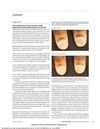
December 2015 in “JAMA Dermatology” Tofacitinib citrate improved nail dystrophy and pain in patients with alopecia universalis without causing side effects.
65 citations
,
February 2011 in “Molecular cancer therapeutics” This study reported that the novel AKT inhibitor CCT128930 demonstrated significant antitumor activity in human cancer cell lines and xenografts, highlighting its potential as an anticancer therapy.
 April 2023 in “The journal of investigative dermatology/Journal of investigative dermatology”
 In this study, researchers found that Derinat treatment in mice maintained the hair cycle in the anagen phase and reduced TRPCs-mediated intracellular ROS accumulation, potentially improving hair growth by altering the skin microenvironment.