 1 citations
,
February 2022 in “Clinical, Cosmetic and Investigational Dermatology”
1 citations
,
February 2022 in “Clinical, Cosmetic and Investigational Dermatology” In this study, researchers found that the thyroxine receptor agonist TDM10842 accelerated the onset of anagen, a hair growth phase, in C3H mice, potentially through activation of the Wnt/beta-catenin and Hedgehog pathways, with Pclaf playing a key role in this process.
 1 citations
,
October 2021 in “Clinical, Cosmetic and Investigational Dermatology”
1 citations
,
October 2021 in “Clinical, Cosmetic and Investigational Dermatology” In this study on cultured human dermal papilla cells, researchers found that niacinamide may enhance hair growth by reducing oxidative stress-induced cell senescence and delaying catagen entry, suggesting potential applications against hair loss.
 10 citations
,
July 2022 in “The journal of investigative dermatology/Journal of investigative dermatology”
10 citations
,
July 2022 in “The journal of investigative dermatology/Journal of investigative dermatology” This study revealed that BMP5 in onychofibroblasts may play a key role in the differentiation of nail matrix keratinocytes, highlighting transcriptional similarities between nail and hair structures.
 July 2022 in “The journal of investigative dermatology/Journal of investigative dermatology”
 This study suggests that Myelin Protein Zero-like 3 plays a crucial role in hair follicle cycling by regulating anagen and catagen phases, mediated through mitochondrial signaling mechanisms in both human and murine hair follicles.
4 citations
,
January 2023 in “Journal of Clinical Investigation” This study identified a recurrent mutation in the endothelin receptor type A associated with mandibulofacial dysostosis with alopecia, and proposed a mechanism involving increased ligand affinity due to structural changes.
 January 2012 in “heiDOK (Heidelberg University)”
 In this study, researchers observed that dormant TRP-2+ melanoma cells in bone marrow can interact with CD8+ T cells in tumor-bearing ret transgenic mice, potentially influencing immune responses.
22 citations
,
April 2010 in “Journal of Cellular Biochemistry” This study concluded that the hairless protein interacts with the vitamin D receptor to repress transcription crucial for hair cycling, employing multiple protein interfaces and modulating chromatin structure.
2 citations
,
February 2023 in “International journal of molecular sciences” This study identified that copper depletion in dermal papilla cells reduced hair growth by boosting ROS levels, but ROS scavengers like NAC and ascorbic acid partially alleviated this effect.
1 citations
,
July 2007 in “Journal of Investigative Dermatology” The mutation causes hairless mice due to mislocalized and dysfunctional HR protein.
July 2024 in “Journal of Investigative Dermatology” A peptide in shampoo can promote hair growth and improve hair condition.
16 citations
,
August 2012 in “The journal of investigative dermatology/Journal of investigative dermatology” This study found that MED1 plays a role in maintaining keratinocyte quiescence and hair follicle stem cell populations, as its absence in mice led to increased keratinocyte proliferation and reduced stem cell numbers.
 August 2023 in “Acta Scientific Paediatrics”
 This case study reported a neonate of Indian descent with localized hypotrichosis type 1 due to a likely pathogenic deletion in the DSG4 gene, marking the first such case from India.
19 citations
,
May 2016 in “Matrix Biology” In this mouse study, researchers found that the absence of laminin-511 in skin delays hair follicle development and disrupts hair shaft differentiation, affecting key transcription factors for hair keratins.
 5 citations
,
January 1998 in “Journal of Toxicologic Pathology”
5 citations
,
January 1998 in “Journal of Toxicologic Pathology” This study found that topical treatment with Maneb led to delayed epithelial cell degeneration in hair follicles of rats due to apoptosis.
 3 citations
,
January 1992 in “Clinical Pediatric Endocrinology”
3 citations
,
January 1992 in “Clinical Pediatric Endocrinology” This study observed wide clinical diversity among five patients with the same VDR gene mutation causing vitamin D-dependent rickets type II, suggesting involvement of a nuclear accessory factor and a nongenomic action of the vitamin.
5 citations
,
August 2021 in “Experimental dermatology” This study suggests that Merkel cell polyomavirus T antigen-positive cells resembling Merkel cell carcinoma may originate from epithelial cells in human hair follicles, potentially informing future transgenic mouse models for this cancer.
 February 2026 in “International Journal of Molecular Sciences”
 In this study, researchers identified 47 proteins associated with male pattern baldness severity and prioritized five candidate genes, including druggable CD38, suggesting new non-hormonal targets for therapeutic development.
 August 2026 in “International Journal of Developmental Neuroscience”
 In this report, researchers describe a 13-month-old with neurodevelopmental disorder NEDESBA, confirming a TRAPPC4 gene mutation as the cause after excluding biotinidase deficiency, highlighting the importance of molecular testing for accurate diagnosis in overlapping metabolic and genetic conditions.
 3 citations
,
August 2012 in “Nature Cell Biology”
3 citations
,
August 2012 in “Nature Cell Biology” This study found that the Wnt-β-catenin pathway directly promotes TERT expression in both stem and cancer cells, highlighting a mechanistic link between tumorigenesis and pluripotency.
26 citations
,
January 1992 in “Carcinogenesis” This study suggests that chronic treatment with TPA in mouse skin selectively expands a keratinocyte subpopulation hyperinducible for ODC, which may be a key target for neoplastic transformation.
 September 2019 in “The journal of investigative dermatology/Journal of investigative dermatology”
 This study identified a mutation in the CST6 gene linked to a rare syndrome with symptoms affecting hair and skin, revealing cystatin M/E's role in maintaining epidermal homeostasis and hair follicle development.
 September 2017 in “Journal of Investigative Dermatology”
 This study found that in AGA, the risk allele at locus 2q35 alters WNT10A expression through EBF1, suggesting a potential androgen-dependent regulatory mechanism.
 4 citations
,
January 2014 in “Indian dermatology online journal”
4 citations
,
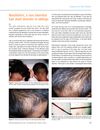
January 2014 in “Indian dermatology online journal” This article discusses the genetic hair disorder monilethrix, characterized by beaded, fragile hair due to defective keratin genes, and reports no effective treatment currently available; variability in severity was noted among affected siblings.

This study found that melatonin promotes the growth of secondary hair follicles in Inner Mongolian cashmere goats by enhancing the activity and proliferation of dermal papilla cells through involving the Wnt10b gene, though the detailed mechanisms remain undetermined.
17 citations
,
May 2013 in “Journal of Investigative Dermatology” Mutations in β1 integrins cause embryonic death but have milder effects on skin.
45 citations
,
March 1997 in “Journal of Investigative Dermatology” TCDD changes skin gene expression and may harm skin health.
 January 2016 in “Journal of Investigative Dermatology”
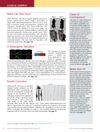
 Some cells may slow melanoma growth, a protein could affect skin pigmentation, a gene-silencing method might treat hair defects, skin bacteria changes likely result from eczema, and a defensin protein could help treat multiple sclerosis.
4 citations
,
October 2021 in “Journal of Clinical Medicine” This study found that individuals with heterozygous truncation-type variants in the *DSP* gene exhibit lower skin temperature and higher transepidermal water loss, with specific microscopic skin changes and pseudomonilethrix.
 57 citations
,
December 2021 in “Nature Communications”
57 citations
,
December 2021 in “Nature Communications” In this study, enteroendocrine cells were shown to coordinate intestinal stem cell migration towards a wound in Drosophila by releasing a ligand that activates non-canonical Wnt signaling, aiding efficient tissue repair.
 21 citations
,
November 2010 in “Journal of molecular medicine”
21 citations
,
November 2010 in “Journal of molecular medicine” This study found that deleting FoxN1 in specific thymic epithelial cells disrupted the 3D thymic structure and led to age-dependent formation of 2D epithelial cysts, highlighting FoxN1's critical role in thymic morphogenesis.