April 2026 in “bioRxiv (Cold Spring Harbor Laboratory)” In this study, CRISPR/Cas9-engineered Arabidopsis mutants revealed diverse functional differences among expansin proteins essential for root hair growth, highlighting variability in protein trafficking, cell wall binding, and evolutionary changes in critical residues affecting wall loosening.
 1 citations
,
November 2017 in “Expert opinion on orphan drugs”
1 citations
,
November 2017 in “Expert opinion on orphan drugs” This review discusses the genetic basis of ectodermal dysplasia, highlighting that identification of gene pathologies enhances diagnosis and supports prenatal DNA testing, but it reports no new clinical results.
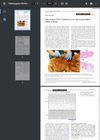 May 2024 in “Animal genetics”
 The researchers investigated a Maine Coon cat with suspected classical Ehlers-Danlos Syndrome and discovered a heterozygous deletion in the COL5A1 gene, underscoring the value of whole-genome sequencing for precise veterinary diagnostics.
2 citations
,
February 2022 in “bioRxiv (Cold Spring Harbor Laboratory)” In this study, researchers found that correcting the HGPS mutation with Adenine base editing partially rescued accelerated skin cell differentiation and reduced cell death in patient-derived stem cells.
11 citations
,
July 2010 in “European Journal of Dermatology” In this study, researchers confirmed linkage of a form of hair-nail ectodermal dysplasia to chromosome 12 in a Pakistani family, suggesting a possible non-coding mutation in KRTHB5 or a mutation in an unknown gene.
January 1996 in “Studia iuridica” This study identified two novel point mutations in the hHb6 gene associated with monilethrix, suggesting these mutations could serve as diagnostic markers for this genetic hair disorder.
51 citations
,
September 2012 in “Biomacromolecules” This study found that disulfide bonds in keratin increase its strength and toughness, with some loss of α-helical structure under load, highlighting their role in trichocyte α-keratin's mechanical properties.
 February 2026 in “Orphanet Journal of Rare Diseases”
 This study identified pathogenic or likely pathogenic gene variants in 70.1% of Russian families affected by hypohidrotic ectodermal dysplasia, expanding knowledge of causative mutations.
 18 citations
,
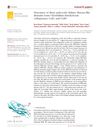
February 2015 in “Acta Crystallographica Section D: Structural Biology”
18 citations
,
February 2015 in “Acta Crystallographica Section D: Structural Biology” This study reports that Ca 2+ binding alters the dynamics and surface properties of PKD-like domains in Clostridium histolyticum collagenases, enhancing their stability and potentially aiding in collagen-targeting vehicle development.
 97 citations
,
March 2002 in “Molecular and cellular biology”
97 citations
,
March 2002 in “Molecular and cellular biology” This study found that mice with a mutant CDP/Cux protein lacking the homeodomain showed severely impaired growth, high postnatal mortality, and reduced fertility, highlighting CDP/Cux's role in developmental regulation.
132 citations
,
February 2002 in “Journal of Biological Chemistry” This study demonstrated that HOXC13 directly influences hair keratin gene expression by binding to specific DNA motifs, suggesting its role in early hair follicle differentiation.
 June 2020 in “The journal of investigative dermatology/Journal of investigative dermatology”
 This study found that genetic ablation of Tet genes in mice led to changes in hair structure and keratin gene expression, indicating a role for Tet-mediated 5hmC DNA oxidation in hair follicle development and cycling.
132 citations
,
August 2008 in “Development” This research found that Dlx3 plays a central role in hair formation and regeneration, with its absence leading to alopecia through disrupted differentiation and signaling pathways.

In a human genetic study on hidradenitis suppurativa, researchers identified 12 genetic risk loci and found that CXCR4-CD74 signaling may play a key role in hair follicle inflammation, suggesting CXCR4 blockade as a potential therapeutic approach for this condition.
42 citations
,
February 2019 in “Circulation” This study observed that DNA damage response (DDR) plays a key role in pressure overload-induced cardiomyocyte hypertrophy, with disruption of the ATM kinase pathway potentially modulating this hypertrophy in mice.
10 citations
,
November 2008 in “Veterinary Dermatology” In this study, the misshaped and hairy ear phenotype in mutant mice was linked to mis-expression of certain Hoxc genes due to a chromosomal inversion.
 245 citations
,
January 1998 in “Genes & Development”
245 citations
,
January 1998 in “Genes & Development” This study found that Hoxc13 mutations in mice cause defects in hair, nail, and tongue structures, with the most noticeable issue being brittle hair leading to alopecia.
49 citations
,
October 1989 in “Genomics” Type I keratin genes are closely linked to the rex locus on mouse chromosome 11, affecting hair development.
17 citations
,
March 2012 in “Journal of biological chemistry/The Journal of biological chemistry” In this study, researchers found that overexpression of the hairless protein in Hr mutant mice disrupts inner root sheath formation by downregulating Dlx3 and associated keratins in hair follicle development.
12 citations
,
February 2019 in “Developmental Biology” This study found that nerve-mediated HDAC1 expression is necessary for blastema formation and limb regeneration in axolotls, and that inhibiting HDACs delays or inhibits this process.
 May 2026 in “Research Square”
 This research reports that the polyG fragment within the Hoxc13 protein alters its gene regulatory functions, which could have influenced mammalian hair evolution by affecting pathways related to hair follicle development.
 87 citations
,
September 2019 in “Nature Communications”
87 citations
,
September 2019 in “Nature Communications” In this study, researchers identified that upon tissue injury in a mouse model, epidermal cells at the wound edge convert to an embryonic-like state with SOX11 and SOX4 playing a central role in modulating epidermal development and cell migration genes.
10 citations
,
August 2010 in “Hereditas (Beijing)” This review summarizes the role of Hoxc13 in regulating hair follicle development and growth, noting its influence on keratin and keratin-associated proteins, and reports no new experimental findings.
12 citations
,
December 2011 in “Journal of Dermatological Science” This study suggests that the C-terminal of AHF is crucial for its binding to keratin bundles and modulating the keratin meshwork in hair follicles.
19 citations
,
November 2016 in “Developmental Biology” 53 citations
,
September 1999 in “Journal of Synchrotron Radiation” This study shows that microdiffraction experiments reveal structural layers in keratinous tissues, each with different keratin types, potentially explaining their dual role as mechanical support and chemical barriers.
22 citations
,
April 2010 in “Journal of Cellular Biochemistry” This study concluded that the hairless protein interacts with the vitamin D receptor to repress transcription crucial for hair cycling, employing multiple protein interfaces and modulating chromatin structure.
January 2010 in “Chinese Journal of Dermatovenereology of Integrated Traditional and Western Medicine” This study found a novel nonsynonymous genetic variant in the hHb1 gene of a family with monilethrix, which differs from ten previously reported pathogenic mutations.
29 citations
,
August 1999 in “Journal of Investigative Dermatology” New mutations in hair keratin genes cause the rare hair disorder monilethrix.
28 citations
,
December 1997 in “Journal of Biological Chemistry” This study found that the hHa1-t protein variant, caused by a genetic polymorphism in the hHa1 gene, forms functional keratin filaments despite lacking a complete nonhelical tail domain, explaining the absence of a pathological hair phenotype.