Search
for
Sort by
Research
780-810 / 1000+ results
research The patient outcomes with EGFR-mutated advanced non-small-cell lung cancer receiving aumolertinib as first-line treatment.
In this study, aumolertinib improved general health status, functional status, and key symptoms for patients with advanced NSCLC, with an objective response rate of 65.2% and disease control rate of 91.3%, suggesting efficacy and quality of life benefits in first-line treatment.
research Efficacy of Baricitinib in Patients with Various Degrees of Alopecia Areata Severity: Post-Hoc Analysis from BRAVE AA1 and BRAVE AA2
In this phase 3 trial analysis, baricitinib improved scalp hair growth in adults with severe alopecia areata, with a faster and higher response in those receiving 4 mg compared to 2 mg, but response varied with severity at baseline and continued through week 52.
research The management of EGFR inhibitor adverse events: a case series and treatment paradigm
This study reported that the most common skin side effect of epidermal growth factor receptor inhibitors was a papulopustular rash, treatable with symptom-targeted therapies, while drug suspension was rarely needed.

research Alopecia Areata: Case report and review of pathophysiology and treatment with Jak inhibitors
This case report discusses a successful treatment of Alopecia Areata with tofacitinib and includes a literature review on the condition's pathophysiology and the mechanism of JAK inhibitors, though it notes the high failure rate of available treatments and absence of FDA-approved options.
research BH31 Ritlecitinib for severe alopecia areata: does regional prescribing match national guidance?
This audit of ritlecitinib prescribing for severe alopecia areata found that regional practices largely followed national guidelines but highlighted the need for better psychological assessments and more consistent use of SALT scoring to inform treatment continuation decisions after 36 weeks.
research Trichoscopy and LC-OCT findings in sonidegib-induced alopecia in patients with advanced basal cell carcinoma
In this study, 45 patients with advanced basal cell carcinoma treated with the medication sonidegib experienced a 24% incidence of alopecia, with detailed trichoscopic and LC-OCT examination revealing specific hair changes, suggesting LC-OCT might help identify early signs of alopecia from sonidegib use.
research P88 Real-world evidence on efficacy and safety of Janus Kinase inhibitors in the treatment of moderate to severe active Ulcerative Colitis
This study found that Janus kinase inhibitors were effective in inducing clinical and biochemical remission in patients with Ulcerative Colitis while exhibiting an expected safety profile, though 30% discontinued treatment due to adverse events or lack of efficacy.
research Real‐world effectiveness and safety of tofacitinib for alopecia areata: A retrospective cohort study of 202 patients
This study found that tofacitinib was a safe and effective treatment for patients with moderate-to-severe alopecia areata, with a significant percentage achieving notable reductions in their Severity of Alopecia Tool scores after 18 months.
research Case Report: Successful treatment of pediatric alopecia universalis with ritlecitinib after failure of baricitinib
This case report presents the first instance of a pediatric alopecia areata patient switching from baricitinib to ritlecitinib, demonstrating favorable clinical outcomes, suggesting a potential new treatment pathway for children with severe cases of this condition.

research Reporte de caso: alopecia areata universal tratada exitosamente con baricitinib
This case report highlights the successful treatment of alopecia areata universalis with Baricitinib, suggesting potential long-term effectiveness of janus kinase inhibitors for this autoimmune hair loss condition.
research Therapeutic expansion of JAK inhibitors in Chinese dermatological practice: beyond atopic dermatitis to novel autoimmune frontiers
This review discusses the potential applications of JAK inhibitors in various dermatological conditions beyond atopic dermatitis, emphasizing gaps in evidence and therapeutic opportunities in the context of Chinese clinical practice, but reports no new clinical results.
research P146 A multicentre retrospective study evaluating the real-world efficacy and safety of ritlecitinib in the treatment of alopecia areata
In this study, real-world data of 31 patients using ritlecitinib for severe alopecia areata showed that 51% achieved significant hair regrowth after one year, with no serious adverse events reported, emphasizing the importance of considering treatment duration for response.
research Erlotinib-related Severe Hair Loss with Severe Exanthematous Drug Eruption: A Case Report
This case report details a 54-year-old woman with metastatic non-small-cell lung cancer who experienced severe hair loss and exanthematous drug eruption, potentially linked to erlotinib hypersensitivity.
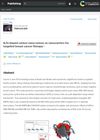
research B/N-doped carbon nano-onions as nanocarriers for targeted breast cancer therapy
This study reports that a new boron/nitrogen-doped carbon nano-onion-based delivery system for doxorubicin enhanced its uptake and anticancer effects in specific cancer cell types, while reducing cardiotoxicity in human heart cells.
research Refractory dermatomyositis–systemic lupus erythematosus overlap syndrome and response to tofacitinib
In this case report, a 39-year-old woman's symptoms from dermatomyositis–systemic lupus erythematosus overlap syndrome improved only after she was treated with tofacitinib.
research Medicaid coverage of Janus kinase inhibitors for alopecia areata treatment
Medicaid coverage for alopecia areata treatments is inconsistent and often limited.
research 471 Senolytic Potential of Fisetin and ABT Compounds in Dermal Fibroblasts
research The role of oclacitinib in the management of ischaemic dermatopathy in four dogs
This study observed that oclacitinib, combined with oral glucocorticoids, achieved rapid and lasting clinical remission in four dogs with refractory juvenile-onset ischaemic dermatopathy, suggesting oclacitinib's potential as a useful immunosuppressive treatment in such cases.
research Is tapering and stopping of tofacitinib possible among pediatric and adolescent alopecia areata patients?
This study highlights that alopecia areata, an autoimmune condition often starting in childhood, poses a higher risk of becoming chronic with an early onset and can result in poor therapy response.
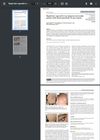
research Rapid hair regrowth in an alopecia universalis patient with deucravacitinib: A case report
This case study reports the first known instance of successful rapid hair regrowth in a psoriasis patient with alopecia universalis after starting deucravacitinib, suggesting potential for TYK2 inhibitors in managing alopecia areata.

research Impact of Previous Alopecia Areata Treatment on Efficacy Responses up to Week 48 Following Ritlecitinib Treatment: A Post Hoc Analysis
Previous alopecia areata treatments do not affect the long-term effectiveness of ritlecitinib.
research Formulation of Chitosan-Coated Brigatinib Nanospanlastics: Optimization, Characterization, Stability Assessment and In-Vitro Cytotoxicity Activity against H-1975 Cell Lines
This study found that Brigatinib-loaded nanospanlastics demonstrated enhanced cytotoxicity against lung cancer cells and improved drug stability and release compared to free Brigatinib.

research In Vitro and In Vivo Models for the Development of Hair Growth Materials By Regulating the β-Catenin Signaling Pathways
This study reports that the β-catenin inhibitor tegatrabetan reduced hair growth and hair follicle numbers in mice, suggesting its potential as a model for developing new hair growth materials.
research Nitric oxide-releasing nanocarriers integrated with ginsenoside compound K in dissolvable microneedles for androgenetic alopecia
This study introduced a novel microneedle-based system for androgenetic alopecia treatment, which delivered Ginsenoside Compound K and S-nitrosoglutathione to enhance hair regeneration by improving the hair follicle microenvironment and promoting follicular cell proliferation.
research Aldo-Keto Reductase (AKR) 1C3 inhibitors: a patent review
This review examines the patent literature on AKR1C3 inhibitors and suggests that although numerous potent inhibitors exist, further preclinical optimization is necessary before assessing their therapeutic potential in human diseases.
research Ivarmacitinib for the treatment of adults with severe alopecia areata: Results from a phase 3 trial
research Off‐Label Use of Topical Ruxolitinib in Dermatology: A Systematic Literature Review and Current Perspectives
This systematic review assessed the off-label use of topical Ruxolitinib cream for various skin conditions and found it effective for lichenoid and granulomatous dermatoses, though results for alopecia areata were inconsistent. The authors indicate that further research is warranted to confirm these findings.

research Efficacy and Safety of Topical Tofacitinib for the Treatment of Alopecia Areata
In this study, 40% of alopecia areata patients using topical 2% tofacitinib ointment achieved greater than 50% improvement in hair regrowth after six months, showing significant efficacy compared to controls, with no serious adverse effects reported.
research Upadacitinib Therapy in Adolescent Severe Alopecia Areata: A Case Series and Narrative Review
Upadacitinib is effective and safe for treating severe Alopecia Areata in adolescents.