
In this study, researchers analyzed the waters of Ladakh's hotsprings, identifying 27 bioactive compounds with potential health benefits, but emphasize that further clinical trials are needed to confirm their therapeutic efficacy and safety.
 July 2025 in “Journal of Research in Pharmacy”
 This study found that using a combination of Virgin Coconut Oil and Nigella Sativa Oil improved wound healing in diabetic rats by reducing inflammation and enhancing skin thickness compared to single treatments or controls, suggesting a potentially valuable approach for managing diabetes-related wounds.
 July 2025 in “Scientific Reports”
 In this study, researchers explored drug repurposing as a potential strategy for treating psoriasis and identified Pioglitazone, Trimipramine, and Dimetindene as promising candidates for this indication, based on molecular docking and predictive algorithms.
 June 2025 in “Basrah Researches Sciences”
 This article discusses how medicinal plants, known for their antiviral, immunomodulatory, antioxidant, and anti-inflammatory properties, may help alleviate long-term COVID-19 effects, but emphasizes the need for further clinical trials to confirm safety and efficacy.
 June 2025 in “Open Access Research Journal of Biology and Pharmacy”
 This study formulated an ointment using ethanolic extract from M. paradisiaca unripe peels and found that while the extract alone showed higher antibacterial activity against S. aureus and E. coli than the ointment, strategies to enhance the ointment's activity could be explored.
 April 2025 in “Al-Rafidain Journal of Medical Sciences ( ISSN 2789-3219 )”
 In this study, researchers observed that Cuscuta reflexa extract mitigated inflammation and oxidative stress in testosterone-induced benign prostatic hypertrophy in Wistar rats, suggesting its potential as an adjunctive therapy for BPH.
 April 2025 in “WORLD JOURNAL OF PLASTIC SURGERY”
 This study reported that stem cells derived from semi-solid bone marrow improved the healing of diabetic incision wounds in rats by increasing epidermal thickness and blood vessel growth, and reducing hair follicle destruction, cellular penetration, diffuse fibrosis, and necrosis compared to control groups.
In this study, researchers developed and tested an herbal hair serum containing natural ingredients like banana flower extract and orange oil, which was stable and pH-balanced, with preliminary user feedback suggesting improved hair texture, reduced hair fall, and increased hair density.
In this study, researchers formulated and evaluated herbal hair serums incorporating natural ingredients like flax seed, fenugreek, and castor oil, finding that the best formulation supported hair growth with minimal side effects compared to existing herbal serums.

This study discusses a natural hair care shampoo formulated with ingredients such as Ritha, aloe Vera, and Amla fruit, designed to clean hair, eliminate oil and dandruff, and promote strength, blackness, and growth.
 January 2025 in “International Journal For Multidisciplinary Research”
 In this study, the researchers developed and evaluated eco-friendly poly-herbal soap strips using plant extracts from Lantana camara, Moringa Oleifera, and Corn silk, finding that the strips exhibited superior physicochemical properties and significant anti-fungal activity compared to conventional anti-fungal soaps.
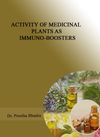
In this review, researchers evaluated 111 studies on the biological activities and phytochemical components of the plant Tridax procumbens, emphasizing its ethnobotanical potential and the need for more research to understand its therapeutic benefits, especially in its native tropical regions.
 January 2025 in “Journal of Pharmacognosy and Phytochemistry”
 This abstract outlines the concept and benefits of herbal hair masks, emphasizing that these plant-based formulations, including ingredients like Bhringraj and Hibiscus, may enhance scalp health and hair strength without adverse effects, but does not report specific research findings.
 January 2025 in “International Journal of Pharmacognosy and Pharmaceutical Research”
 This study found that hydroalcoholic extracts of Bacopa monnieri demonstrated significant antimitotic activity in an Allium cepa model, suggesting potential comparable effects to the standard drug methotrexate.
 December 2024 in “International Journal of Research in Ayurveda and Pharmacy”
 This review highlights the potential benefits of Sowbhagya Chundi Legiyam, a Siddha herbal formulation containing Zingiber officinale, for supporting women's health during the puerperal period, suggesting it may strengthen the uterus and prevent diseases due to improper postnatal care.
 December 2024 in “International Journal of Drug Delivery Technology”
 This study reports that a novel Nano-Structured Lipid Carrier system for delivering dutasteride may enhance its anticancer effects while reducing systemic side effects in clinical settings.
 December 2024 in “Journal of Population Therapeutics and Clinical Pharmacology”
 This review highlights the potential benefits of using rosemary and kalonji seeds for hair health, focusing on their phytochemical properties, mechanisms of action, and therapeutic potential in treating conditions such as alopecia and dandruff.
This review highlights the therapeutic potential of Hibiscus rosa-sinensis, detailing its significant medicinal value for treating various conditions such as wounds, infections, and diabetes, attributed primarily to its bioactive compounds like flavonoids and tannins.
 December 2024 in “Asian Journal of Pharmaceutical and Clinical Research”
 This study reviews the performance and safety of synthetic medications like minoxidil and finasteride compared to herbal remedies such as saw palmetto for treating alopecia, highlighting the need for more research to better understand their therapeutic roles and optimize patient care.
 December 2024 in “Tropical Journal of Natural Product Research”
 This study observed that CTUMP's Herb shampoo significantly improved hair growth and density in mice compared to a saline solution, though it was less effective than minoxidil in promoting follicle development.
 October 2024 in “Irish Journal of Medical Science (1971 -)”
 Continuous glucose monitoring and GLP-1 receptor agonists improve diabetes management, but personalized care and education are crucial.
 September 2024 in “Oncology Advances”
 This review discusses the potential anticancer effects of medicinal plants, highlighting their diverse phytoconstituents and mechanisms, and considers both their future prospects and limitations in cancer treatment.
 June 2024 in “Okayama University Scientific Achievement Repository (Okayama University)”
 In this study, methanol extracts from Thai-colored rice fermented with Aspergillus molds exhibited an increase in polyphenolic content and antioxidant activity, outperforming Thai white and Japanese white rice, notably transforming key polyphenols like quercetin and ferulic acid.
 May 2024 in “International journal of nanomedicine”
 This review highlights the potential of extracellular vesicles derived from medicinal plants as therapeutics for diseases such as cancer and inflammation, suggesting they may enhance the clinical use of herbal preparations, despite the challenges posed by extract complexity and individual variability.
 April 2024 in “Cell death and disease”
 This review discusses the long-term complications of COVID-19, known as long COVID or PASC, and emphasizes the need to improve awareness and management strategies but reports no new clinical findings.
 April 2024 in “Frontiers in pharmacology”
 This review of Cynoglossum amabile, a traditional Chinese and ethnomedicine, provides insights into its uses, chemical components, biological activities, and toxicity. Highlighting its market potential, the study underscores the importance of indigenous knowledge in drug development despite noted hepatotoxic risk linked to its pyrrolizidine alkaloids.
 April 2024 in “International journal of clinical trials”
 In this study, researchers found that a standardized extract of Sesbania grandiflora (SesZen-Bio™) improved hair density and thickness, as well as increased serum ferritin levels, over an 8-week period among participants, suggesting enhanced keratin production and follicle growth.
 March 2024 in “Journal of Microbiology and Biotechnology”
 This study suggests that phloroglucinol may enhance anagen signaling and reduce oxidative stress-induced damage in human dermal papilla cells, offering a potential therapy for hair loss.
 March 2024 in “Tropical Journal of Natural Product Research”
 This study surveyed the use and potential toxicity of medicinal plants in the Fez-Meknes region of Morocco, documenting 59 toxic species used primarily for cosmetic purposes and minor illnesses, and identified hair loss and rheumatism as having the highest informant agreement ratios.
 March 2024 in “Journal of medicinal plants studies”
 This review comprehensively examines the Hibiscus rosa-sinensis plant, detailing its distribution, physical and chemical properties, bioactive compounds, ethnomedicinal uses, and potential toxicity, providing a broad understanding of its characteristics and health implications.