 October 2023 in “Pediatric blood & cancer”
 This report discusses a potentially underdiagnosed form of multisystem Langerhans cell histiocytosis in infants, demonstrating the use of thymic sonography for staging, highlighting a case where thymic and cutaneous involvement was confirmed, and suggesting thymic ultrasound may aid in better diagnosis and management of LCH.
 2 citations
,
June 2020 in “Dermatology and therapy”
2 citations
,
June 2020 in “Dermatology and therapy” In this case report, narrowband-UVB phototherapy successfully treated a rare instance of Graham Little-Piccardi-Lassueur syndrome, a variant of lichen planopilaris, as investigated through non-invasive imaging techniques.
 June 2010 in “Melanoma research”
 This study found that LDE225, a novel Smo antagonist, shows potential as a topical treatment for basal cell carcinoma due to its high affinity binding and effective inhibition of tumor growth in preclinical models.
July 2024 in “Journal of Investigative Dermatology” This study found that systemic treatment with DS77754007, a KLK5 inhibitor, improved skin symptoms in a mouse model of Netherton Syndrome more effectively than certain antibody treatments, suggesting KLK5 inhibition as a promising therapeutic approach for this condition.
5 citations
,
April 2014 in “Journal of Lipid Research” This study demonstrates a method to noninvasively assess lipid classes in rodent sebum via high-field proton NMR, observing significant lipid reductions in rats treated with an SCD1 inhibitor.
 73 citations
,
April 2010 in “Anais Brasileiros de Dermatologia”
73 citations
,
April 2010 in “Anais Brasileiros de Dermatologia” This study concluded that dermoscopy enhances the diagnostic capability for cicatricial alopecia beyond clinical inspection and identified novel dermoscopic features such as blue-grey dots.
44 citations
,
October 2020 in “Arthritis Care & Research” This review summarizes various indices used to assess disease activity and damage in systemic lupus erythematosus, highlighting challenges in universal consensus and their practical applications in research and clinical settings.
November 2024 in “Journal of Investigative Dermatology” Genetic defects in the Wnt/PCP pathway may cause congenital yellow nail syndrome.
This study mapped the curly mutation in mice to a specific region on chromosome 11, identifying it as a candidate model for studying human genetic hair disorders.
53 citations
,
April 2016 in “Stem cell research & therapy” This study reports that LL-37 treatment enhances cell proliferation, migration, and secretion of regenerative factors in adipose-derived stem cells, potentially promoting hair growth in vivo.
 7 citations
,
June 2010 in “Journal of The American Academy of Dermatology”
7 citations
,
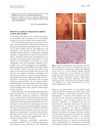
June 2010 in “Journal of The American Academy of Dermatology” This paper reports a single case of lichenoid cutaneous sarcoidosis that was unresponsive to standard treatments but showed marked improvement with the administration of oral tranilast.
2 citations
,
August 2022 in “World Journal of Clinical Cases” In this study, researchers found multiple somatic mutations and copy number variations in a patient with Cronkhite-Canada syndrome, providing novel insights into its potential genetic mechanisms.
January 2025 in “Indian Dermatology Online Journal” This case report describes a 27-year-old female with systemic lupus erythematosus who presented with chilblain lupus erythematosus and melanonychia striata, emphasizing the rarity of such presentations in SLE patients.
This article reviews the history and characteristics of the rare nude phenotype SCID, primarily distinguished by severe T cell immunodeficiency and notable skin and hair abnormalities, but reports no new clinical findings.
 2 citations
,
April 2010 in “The Open Dermatology Journal”
2 citations
,
April 2010 in “The Open Dermatology Journal” This review discusses the development and role of corneodesmosin in skin and hair follicle integrity, highlighting findings from mouse models and its connection to genetic diseases, with no new experimental results included.
 January 2017 in “Open Journal of Endocrine and Metabolic Diseases”
 This case report identifies an adolescent with symptoms indicative of Dunnigan-type partial lipodystrophy, emphasizing the need for early diagnosis to manage associated metabolic complications and improve self-esteem.
41 citations
,
March 2016 in “The Journal of Clinical Endocrinology & Metabolism” This study suggests that patients with STSD show a different pattern in androgen activation compared to healthy controls, potentially due to increased 5α-reductase activity and absent prepubertal serum DHEA surge.
 9 citations
,
February 2004 in “Clinical and Experimental Ophthalmology”
9 citations
,
February 2004 in “Clinical and Experimental Ophthalmology” This report documents the second known case of Castleman's disease in the lacrimal gland, diagnosed in an 84-year-old woman through histological examination after excising a left upper lid mass.
 138 citations
,
June 2019 in “Stem Cells and Development”
138 citations
,
June 2019 in “Stem Cells and Development” This review explores the potential of periodontal ligament stem cells for regenerative therapy in periodontium, despite challenges due to their rarity, and reports no clinical results.
6 citations
,
June 2022 in “Journal of Orthopaedic Surgery and Research” In this animal study, oral administration of wedelolactone significantly improved bone mineral density and reduced osteoclast numbers in a model of particle-induced osteolysis, suggesting potential as a treatment option.
 5 citations
,
December 2016 in “Journal of skin and stem cell”
5 citations
,
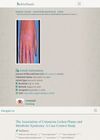
December 2016 in “Journal of skin and stem cell” This study found that patients with cutaneous lichen planus had a higher risk of metabolic syndrome, dyslipidemia, diabetes mellitus, and hypertension compared to controls.
 December 2024 in “Tropical Journal of Natural Product Research”
 This study aimed to enhance the skin penetration of brown algae fucoidan using a Nanostructured Lipid Carrier, achieving a formulation with good physical quality and stability.
 18 citations
,
April 2014 in “Stem cells”
18 citations
,
April 2014 in “Stem cells” The researchers reported that minor salivary gland stem cells exhibit stem cell characteristics and respond to tobacco-derived carcinogens, implicating the transforming growth factor beta pathway in their maintenance.
 11 citations
,
September 2022 in “The Journal of Rheumatology”
11 citations
,
September 2022 in “The Journal of Rheumatology” This article discusses the classification and significance of cutaneous manifestations in systemic lupus erythematosus, emphasizing the importance of recognizing these skin features for disease management, but reports no new clinical results.
 1 citations
,
June 2015 in “Australasian Journal of Dermatology”
1 citations
,
June 2015 in “Australasian Journal of Dermatology” This case report describes a patient with Cronkhite–Canada syndrome, where immunosuppression and nutritional support led to disease remission.
 19 citations
,
August 2020 in “Gastroenterology report”
19 citations
,
August 2020 in “Gastroenterology report” This review discusses the characteristics and challenges in treating Cronkhite–Canada syndrome but reports no new clinical findings, emphasizing the need for better understanding and uniform treatment approaches.
8 citations
,
December 1997 in “International Journal of Dermatology” This case report describes a 30-year-old man's scleroderma-like skin changes and segmental thrombosis in the left leg, along with elevated blood sugar and advised weight management and limb care.

This study found that lysine carboxymethyl cysteinate helps protect the epidermis from UVB-induced damage by activating autophagy and restoring cornification processes in a skin model.
1 citations
,
November 2022 in “International Journal of Cosmetic Science” In this study, a topical application of Lotus corniculatus seed extract significantly reduced sebum production and skin oiliness in humans through inhibition of lipid synthesis pathways.

This study retrospectively analyzed 945 patients with head and neck cSCC to identify risk factors for recurrences, reporting treatment modality, tumor characteristics, and patient factors such as immunosuppression as strong predictors for loco-regional recurrences.