January 2022 in “Indian Journal of Paediatric Dermatology” This case study reports that patchy nonscarring alopecia without systemic involvement can be an atypical initial indication of juvenile onset systemic lupus erythematosus.
1 citations
,
January 2022 This case report describes a 29-year-old woman diagnosed with both systemic lupus erythematosus and Graves' disease, illustrating the occurrence of autoimmune polyendocrine syndromes with specific combinations of autoimmune disorders.
August 2021 in “BMJ Case Reports” This case report details a 27-year-old woman's diagnosis of systemic lupus erythematosus with immune-mediated intravascular haemolysis, which improved with steroid treatment.
May 2020 in “The journal of investigative dermatology/Journal of investigative dermatology” This study reported that specific inhibition of the classical complement pathway with BIVV009 prevented C3 deposition along the dermal-epidermal junction in bullous pemphigoid, reflecting its potential efficacy.
3 citations
,
February 2020 in “The Egyptian Rheumatologist” This case report from Tishreen Hospital describes the rare presentation of lupus erythematosus tumidus and autoimmune thyroid dysfunction as initial manifestations of systemic lupus erythematosus, highlighting the importance of early diagnosis for better outcomes.
 1 citations
,
July 2023 in “Journal of Ayub Medical College Abbottabad”
1 citations
,
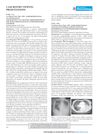
July 2023 in “Journal of Ayub Medical College Abbottabad” In this case study, a 30-year-old woman with symptoms including fever, joint pain, and skin ulcers was diagnosed with Lupus Vasculitis and treated with steroids, mycophenolate mofetil, and hydroxychloroquine after tests showed positive anti-nuclear and anti-Ro antibodies and reduced serum complement levels.
 May 2025 in “The Journal of Rheumatology”
 This case report describes a patient with systemic lupus erythematosus whose unusual nephrological presentation led to a diagnosis of C3 glomerulopathy, highlighting the importance of considering atypical findings to broaden diagnostic approaches.
 5 citations
,
May 2025 in “Scientific Reports”
5 citations
,
May 2025 in “Scientific Reports” This study found that extracts from Indian gooseberry leaves showed strong antimalarial activity against Plasmodium falciparum, with low cytotoxicity, suggesting potential for developing new antimalarial drugs.
 169 citations
,
June 2010 in “Molecular & cellular proteomics”
169 citations
,
June 2010 in “Molecular & cellular proteomics” This study suggests that ethylene and lignoceric acid (C24:0) may promote cotton fiber and Arabidopsis root hair growth by activating the pectin biosynthesis network.
 27 citations
,
November 2021 in “Scientific Reports”
27 citations
,
November 2021 in “Scientific Reports” This study used bioinformatics to explore molecular differences in testicular and ovarian responses to SARS-CoV-2, identifying genes that could be associated with sex differences in infection outcomes.
 30 citations
,
March 2019 in “Archives animal breeding/Archiv für Tierzucht”
30 citations
,
March 2019 in “Archives animal breeding/Archiv für Tierzucht” In this study, variation in the KRTAP15-1 gene in goats was linked to changes in cashmere fibre diameter, with specific variants showing dominant or recessive effects.
4 citations
,
July 2017 in “Journal of Medical Case Reports” This case report highlights a rare presentation of acute lupus hemophagocytic syndrome with initially negative antinuclear antibodies, underscoring the higher sensitivity of the 2012 Systemic Lupus International Collaborating Clinics criteria for diagnosis.
59 citations
,
September 2021 in “Journal of Allergy and Clinical Immunology” This study found IL-17/IL-36 signaling to be predominant in both endotypes of Netherton syndrome, with distinct molecular profiles between NS-ILC and NS-SE lesions, offering potential therapeutic targets.
52 citations
,
September 2021 in “Kidney International” In this report, a 23-year-old woman developed nephrotic syndrome and was diagnosed with lupus nephritis after receiving the first dose of the AstraZeneca COVID-19 vaccine, but causation is not established.
4 citations
,
June 2020 in “DOAJ (DOAJ: Directory of Open Access Journals)” This case report describes a 30-year-old woman diagnosed with both Rhupus and Rowell syndromes, and details her presentation and treatment plan, without reporting specific treatment outcomes.
 April 2026 in “SHILAP Revista de lepidopterología”
 This case report illustrates that prompt diagnosis and treatment of myositis in an SLE patient can lead to symptom resolution and highlights this condition as a rare SLE complication.
1 citations
,
October 2025 in “International Journal of Molecular Sciences” This narrative review highlights the potential of naturally occurring compounds to target specific molecular pathways and overcome resistance in advanced and recurrent papillary thyroid cancer, offering new therapeutic possibilities beyond traditional treatments like surgery and lifelong hormone replacement.
August 2025 in “Annals of the Rheumatic Diseases” This study observed that the relationships between various criteria used to classify systemic lupus erythematosus are more consistent with chance than predictable patterns, although connections within the same organ domain are relevant.
 421 citations
,
January 2015 in “Chemical Society Reviews”
421 citations
,
January 2015 in “Chemical Society Reviews” This review discusses recent advances in surface modification and endothelialization of biomaterials for vascular grafts, highlighting promising methods like gene engineering and targeting ligand immobilization to improve clinical outcomes.
 5 citations
,
March 2023 in “bioRxiv (Cold Spring Harbor Laboratory)”
5 citations
,
March 2023 in “bioRxiv (Cold Spring Harbor Laboratory)” This study found that Piezo2 channels are primarily located on sensory axon membranes in mechanosensory end organs, supporting a model where mechanical stimuli activate Aβ RA-LTMR neurons via axon protrusions.
45 citations
,
October 2018 in “JCI Insight” In a preclinical mouse model, this study found that early treatment with the selective SYK inhibitor entospletinib significantly improved survival rates and clinical outcomes for graft-versus-host disease after hematopoietic stem cell transplantation compared to placebo.
141 citations
,
May 2007 in “Cancer Research” This study found that CD34 is necessary for TPA-induced activation of hair follicle stem cells and tumor formation in mice, with CD34 knockout mice showing delayed and reduced tumor development compared to wild-types.
 9 citations
,
January 2020 in “Rheumatology Advances in Practice”
9 citations
,
January 2020 in “Rheumatology Advances in Practice” In this study, SLE was found to be uncommon among patients with rheumatological complaints in Uganda, with a notable overlap with rheumatoid arthritis and frequent presentation of complications.
 3 citations
,
June 2013 in “Turkish Journal of Rheumatology”
3 citations
,
June 2013 in “Turkish Journal of Rheumatology” This case report describes a 16-year-old boy diagnosed with Castleman's disease, where treatment led to a marked decrease in lymph node swelling without obvious recurrence.

In this clinical case study, a 30-year-old man with systemic lupus erythematosus was diagnosed with both catastrophic antiphospholipid syndrome and acquired haemophilia A, successfully treated with immunosuppressive therapy, plasma exchange, and IVIG, leading to a favourable outcome.

In this study involving 30 Kazakh women with systemic lupus erythematosus, the researchers found a strong correlation between disease activity (SELENA-SLEDAI scores) and organ damage (SLICC/ACR scores), which depended on disease duration and reliably reflected cumulative disease activity.
This case report highlights that Tjalma Syndrome may present as a main symptom of systemic lupus erythematosus and should be considered in patients with ascites, pleural effusions, and elevated CA-125 levels.
 16 citations
,
July 2012 in “The New England Journal of Medicine”
16 citations
,
July 2012 in “The New England Journal of Medicine” This case report describes a 27-year-old man hospitalized with fatigue, myalgias, weakness, profound weight loss, and abnormal liver function, leading to a diagnosis after chest imaging revealed pneumomediastinum.
 3 citations
,
July 2021 in “Cutis”
3 citations
,
July 2021 in “Cutis” This case report described a 62-year-old woman with dermatomyositis whose multiple subcutaneous nodules persisted despite treatment with prednisone and methotrexate, prompting further dermatological evaluation.
 December 2023 in “Curēus”
 In this case study, a 36-year-old female with severe lupus enteritis and intestinal pseudo-obstruction showed significant clinical improvement after treatment with intravenous methylprednisolone, hydroxychloroquine, and cyclophosphamide, highlighting the complexities and challenges in diagnosing and managing atypical lupus manifestations.