8 citations
,
April 2017 in “American Journal of Dermatopathology” In this study, nail matrix pathology in a patient with Cronkhite–Canada Syndrome revealed matrix hypergranulosis, suggesting that an inflammatory process may play a key role in the condition's pathogenesis.
 3 citations
,
September 2005 in “Experimental dermatology”
3 citations
,
September 2005 in “Experimental dermatology” This review discusses the formation and structure of the cornified cell envelope in the epidermis, highlighting biochemical pathways and genetic factors, but presents no new experimental results.
8 citations
,
August 2022 in “Pharmaceutics” This study found that erythrocyte-anchored CPA-encapsulated nanoparticles improved the delivery and accumulation of Cepharanthine in the lungs, enhancing its effectiveness in treating acute lung injury by reducing inflammatory responses.

In this in-vitro study, neem leaf extract, combined with oils from Eucalyptus citriodora and Cymbopogon martini, inhibited dermatophyte growth responsible for tinea capitis, showing potential for developing a treatment formulation against the infection.
 4 citations
,
May 2022 in “Journal of Nepal Medical Association”
4 citations
,
May 2022 in “Journal of Nepal Medical Association” This case report describes a 40-year-old woman with Cronkhite-Canada Syndrome whose symptoms, including gastrointestinal issues and skin changes, improved significantly with corticosteroids, co-infection treatment, and nutritional counseling.
January 2024 in “Animals” In this study, researchers found that circERCC6, a circular RNA identified in cashmere goat hair follicles, helps activate secondary hair follicle stem cells, with its role dependent on specific m6A modifications that interact with miR-412-3p to regulate BNC2 expression.
March 2001 in “Zenodo (CERN European Organization for Nuclear Research)” This meeting summary discusses scalp management and the use of topical ketoconazole in therapeutic hair care, but it reports no new research findings.
February 2015 in “Rivm (National Institute for Public Health and the Environment)” This report summarizes data from The Netherlands' cosmetovigilance system from 2009-2014, finding that facial and hair products commonly caused undesirable skin reactions like erythema and itching, with severe cases occasionally involving hair loss and respiratory issues.
61 citations
,
March 1966 in “Archives of Dermatology” This study found that nevoid basal cell carcinomas originate in the epidermis and upper hair follicles, resembling early nonnevoid basal cell carcinoma proliferations.
 July 2016 in “Hair transplant forum international”
 This article discusses participation in the Brazilian Association of Hair Restoration Surgery's workshop on hair transplantation but does not present any new research findings.
 47 citations
,
February 2015 in “European Journal of Clinical Investigation”
47 citations
,
February 2015 in “European Journal of Clinical Investigation” This review discusses Chrousos syndrome, a rare condition caused by NR 3C1 gene mutations leading to glucocorticoid resistance, and reports no new clinical results; early identification and genetic testing are recommended for diagnosis.
January 1998 in “The Nishinihon Journal of Dermatology” A 7-year-old girl was diagnosed with Netherton's Syndrome, shown by skin and hair symptoms.
March 2026 in “Tissue Engineering and Regenerative Medicine” January 2016 in “cIRcle (University of British Columbia)” This literature review discusses the need for a clinical practice guideline to help Canadian Nurse Practitioners in diagnosing and managing PCOS, noting its complexity and lack of existing guidelines.
January 2015 in “Dépôt Institutionnel de lUniversité de Tlemcen” This study suggests that the oil extracted from Citrullus colocynthis seeds may be suitable for edible use and exhibits antimicrobial properties against several bacterial and fungal strains.
 September 2023 in “Research Square (Research Square)”
 This study found that TNC + fibroblasts are crucial in neuro-immune interactions in various skin diseases, particularly inflammation and tumors, by engaging extensively with immune cells and overexpressing inflammatory genes, suggesting their significant role in skin abnormalities.
August 2024 in “Proceeding Cendekia International Conference Health and Technology” In this quasi-experimental study, researchers explored the optimal formulation of a nanoemulsion containing candlenut ethanol extract, finding that specific combinations of tween 80, span 80, and sonication time affected its physical properties and stability, although further activity testing is needed.
 4 citations
,
January 2017 in “Ciência Rural”
4 citations
,
January 2017 in “Ciência Rural” This case report highlights that equine multisystemic eosinophilic epitheliotropic disease should be considered in horses presenting with skin lesions and gastrointestinal symptoms, as illustrated by the progression in a 5-year-old horse despite treatment.
May 2026 in “Advanced Pharmaceutical Bulletin” In this study, black cumin oil-based nanostructured lipid carriers enhanced the delivery and effectiveness of fluticasone for psoriasis in a mouse model, improving skin targeting, inflammation reduction, and permeability compared to standard cream.
4 citations
,
March 1999 in “International Journal of STD & AIDS” This report details a case of severe recurrent bacterial vaginosis in a woman with Netherton's syndrome.

This study in a nine-year-old boy from Lebanon identified a gene mutation (c.1066dup p.(Arg356Profs*16)) associated with a rare inborn error of immunity, characterized by craniosynostosis, jaundice, and several other symptoms, expanding the known genotypic and phenotypic spectrum of this condition.
 January 2019 in “Proceedings for Annual Meeting of The Japanese Pharmacological Society”
 In this study, injecting Nε-(carboxymethyl) lysine into skin tissue weakened hair shaft and follicle formation, likely by inhibiting cell proliferation and migration needed for hair follicle morphogenesis.
February 2019 in “International Journal of Dermatology and Clinical Research” In this study, Nε-(carboxymethyl) lysine was found to weaken hair follicle morphogenesis and inhibit essential cell activities in a model simulating accumulated glycation.
1 citations
,
March 1991 in “PubMed” This case report describes two instances of naevoid bundle hair on the scalp, where multiple hairs group from separate follicles into a single sheath and show abnormal reactivity to keratin antibodies.
 September 2024 in “Revista Científica de Salud BIOSANA”
 This systematic review explored the potential of cetirizine, an anti-inflammatory antihistamine, as a complementary treatment for androgenetic alopecia, reporting that it might help prevent hair follicle miniaturization by reducing inflammation and modulating immune activity, without notable side effects.
6 citations
,
April 2012 in “PubMed” This case report describes a 33-year-old Indian male with Cronkhite-Canada syndrome who experienced complete symptom recovery within 5 months after starting a high protein diet, proton pump inhibitors, and zinc-vitamin supplements.
 November 2025 in “Eurasian journal of applied biotechnology”
 In this study, combining L-cysteine and N-acetylcysteine with MET inhibition enhanced cytotoxicity in cancer cell lines by sensitizing them to MET inhibition through redox stabilization, suggesting a promising approach for improving MET-targeted cancer therapies without additional oxidative or chemotherapeutic stress.
34 citations
,
June 2022 in “Viruses” This study found that the natural alkaloid cepharanthine effectively inhibited porcine epidemic diarrhea virus infection in newborn piglets.
 January 2014 in “Progress of Digestive Endoscopy”
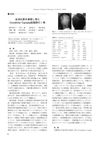
 This case report describes a 60-year-old woman with Cronkhite-Canada syndrome whose symptoms and polyposis improved following prednisolone therapy, but emphasizes the need for periodic digestive tract screening due to associated cancer risks.
1 citations
,
January 2024 in “Revista CUIDARTE” This abstract discusses research into various interventions like acupressure, massage, and music therapy for managing secondary symptoms such as nausea, pain, and neuropathy. The authors emphasized the need for standardizing these interventions and their outcome measurements.