 9 citations
,
January 2006 in “Cutaneous and ocular toxicology”
9 citations
,
January 2006 in “Cutaneous and ocular toxicology” This study found that L-cystine, D-pantothenat, and miliacin can enhance the metabolic capacity and proliferation of human keratinocytes, with a combination of these additives potentially providing synergistic benefits in growth media.
52 citations
,
February 2012 in “PloS one” This study found that the absence of Ctip2 in epidermal keratinocytes led to impaired wound healing in mice, affecting cell migration, proliferation, and hair follicle stem cell maintenance.
 November 2023 in “BMC genomics”
 Using a multi-omics analysis, this study identified key regulators like PLA2G12A, KRT79, and prostaglandin B2 that influence cashmere fineness, providing crucial data for understanding the molecular mechanisms behind this trait in Liaoning cashmere goats.
 January 2022 in “Dermatology Review”
 This study found that patients with chronic kidney disease-associated pruritus had elevated serum levels of interleukin 31, suggesting a possible role of this cytokine in the condition.
 11 citations
,
April 2019 in “Bioscience Reports”
11 citations
,
April 2019 in “Bioscience Reports” In this study, single nucleotide polymorphisms in the RAB5B gene were linked to an increased risk of polycystic ovary syndrome and associated with specific microRNA binding sites.
449 citations
,
December 2005 in “The Plant Cell” This study found that the BIK1 gene in Arabidopsis thaliana modulates defense responses to pathogens and is essential for normal root growth and development.
 23 citations
,
December 2013 in “British Journal of Dermatology”
23 citations
,
December 2013 in “British Journal of Dermatology” This study identified a new PNPLA1 mutation in a Spanish family with autosomal recessive congenital ichthyosis.
29 citations
,
February 2001 in “Proceedings of the National Academy of Sciences” This study found that the HS III element in the K14 gene's regulatory sequence promotes gene expression in inner root sheath keratinocytes, highlighting cooperative interactions in keratinocyte-specific gene regulation.
 14 citations
,
January 2011 in “Urologia Internationalis”
14 citations
,
January 2011 in “Urologia Internationalis” In this animal study, researchers found that finasteride reduced bacterial infection and inflammation in chronic bacterial prostatitis, with the greatest effect when combined with ciprofloxacin.
This study found that the Arabidopsis thaliana protein Formin 2 localizes to plasmodesmata and is crucial for regulating their permeability by anchoring actin filaments, which affects virus susceptibility.
 23 citations
,
February 2015 in “International Journal of Molecular Sciences”
23 citations
,
February 2015 in “International Journal of Molecular Sciences” This study found that colchicine treatment significantly reduced hair fiber elongation in cultured hair follicles and altered protein expression and activity in dermal papilla cells, suggesting a role for the ubiquitin-proteasome system in its effects.
 3 citations
,
December 2019 in “International Journal of Pharmacology”
3 citations
,
December 2019 in “International Journal of Pharmacology” This study found that Poria cocos extract may enhance human follicle dermal papilla cell proliferation through the AKT signaling pathway, indicating its potential for hair growth promotion.
April 2017 in “Journal of Investigative Dermatology” Deleting Crif1 in mouse skin disrupts skin balance and hair growth.
19 citations
,
September 2013 in “Psychoneuroendocrinology” Blocking CYP17A1 enzyme may help improve certain brain function issues related to dopamine.
1 citations
,
September 2024 in “Animals” In this study, researchers identified six unique genetic variants of a sheep gene, KRTAP19-3, with specific variants linked to changes in wool fibre traits, such as increased fibre diameter variability, suggesting these genetic differences affect wool characteristics in Chinese Tan sheep.
66 citations
,
October 2002 in “Human molecular genetics online/Human molecular genetics” This study found that a nonsense mutation in the Cst6 gene of mice leads to severe skin and hair abnormalities, suggesting that cystatin M/E is crucial for epidermal function and viability.
 August 2018 in “Journal of Investigative Dermatology”
 This study found that centrosomes, unlike cilia, are essential for proper epidermal and hair follicle development in mice, with these effects being dependent on the presence of p53.
 January 2016 in “Human & Experimental Toxicology”
 This study reported that CCT oligodeoxynucleotide induced patchy hair loss in male mice with specific genetic traits, suggesting gender and genetic preferences in immune response.
August 2009 in “Mechanisms of Development” 29 citations
,
January 2003 in “Genomics” A new mouse mutation causes skin and hair issues, influenced by another gene.
 5 citations
,
January 2022 in “PloS one”
5 citations
,
January 2022 in “PloS one” This study found that lineage-restricted loss of p63 in murine thymic epithelial cells resulted in severe thymic hypoplasia and absence of hair follicles, indicating p63's critical role in thymic and hair follicle development.
6 citations
,
January 2010 in “Journal of Biochemical and Molecular Toxicology” This study found that the ID2 gene was highly expressed in bulge-derived keratinocytes when exposed to contact sensitizers and may serve as a marker to distinguish sensitizers from irritants during in vitro testing.
19 citations
,
February 2013 in “Archives of Dermatological Research” 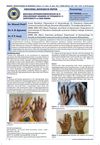 July 2021 in “PARIPEX INDIAN JOURNAL OF RESEARCH”
 This study highlighted knuckle hyperpigmentation as an early sign of vitamin B12 deficiency, indicating a potential link to megaloblastic anemia in the vegetarian population in India.
30 citations
,
December 2021 in “Frontiers in Microbiology” In this study, researchers found that cepharanthine significantly inhibited HSV-1 replication in vitro by interfering with specific signaling pathways, arresting the cell cycle, and inducing apoptosis in infected cells, highlighting its potential as an antiviral agent.
16 citations
,
September 2006 in “Journal of Cutaneous Pathology” This study found that the p63 transcription factor is expressed during rat epidermal development and may serve as a specific marker for keratinocyte progenitor cells.
 April 2017 in “Journal of Investigative Dermatology”
 In this study, CTCF was found to play essential roles in epidermal differentiation and skin barrier formation, simultaneously acting as a suppressor of epithelial inflammatory responses in mouse skin.
 May 2011 in “Value in Health”
 This study found that the oral Janus kinase inhibitor CP-690,550 has a direct effect on reducing pruritus in patients with psoriasis, independent of clinician-assessed improvements in psoriasis severity.
3 citations
,
April 2025 in “Science Advances” This study found that mice with a homozygous knockout of the Ten1 gene, developed through CRISPR-Cas9-mediated exon 3 deletion, exhibited telomere shortening and symptoms consistent with accelerated aging, such as reduced lifespan, skin changes, aplastic anemia, and cerebellar hypoplasia.
 47 citations
,
December 2019 in “Frontiers in immunology”
47 citations
,
December 2019 in “Frontiers in immunology” This study identified a novel G207E STING mutation associated with severe inflammatory symptoms and suggested that common polymorphisms in TMEM173 and IFIH1 may modify the phenotype in affected individuals.