January 2022 in “Clinical Cases in Dermatology” This case report describes a unique instance of congenital triangular alopecia affecting the chin in a 12-year-old boy, noting the condition is typically benign with limited treatment options being necessary.
 January 2024 in “The Indian Veterinary Journal”
 In this case study involving a two-month-old crossbred kid, severe skin conditions characterized by alopecia and pruritic lesions were linked to Malassezia yeast and bacteria, and successful treatment was observed with ketoconazole and supportive care.
 14 citations
,
March 2014 in “Journal of The American Academy of Dermatology”
14 citations
,
March 2014 in “Journal of The American Academy of Dermatology” In this study, symmetrical acrokeratoderma was observed to frequently occur alongside ichthyosis vulgaris, with no specific therapy available for the condition.
32 citations
,
May 1986 in “Archives of Dermatology” This case study suggests that atrichia with papular lesions associated with common variable immunodeficiency may follow an autosomal-dominant inheritance pattern, differing from previous reports of autosomal recessive inheritance.
 1 citations
,
January 2019 in “Acta dermato-venereologica”
1 citations
,
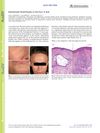
January 2019 in “Acta dermato-venereologica” The woman's skin and hair symptoms were confirmed as frontal fibrosing alopecia, and while facial papules are common in such cases, there's no effective local treatment, but systemic treatments can help.
 January 2026 in “Zenodo (CERN European Organization for Nuclear Research)”
 This case report describes a 33-year-old male with treatment-resistant psoriasis who experienced complete resolution of symptoms and hair regrowth after following an integrated Shodhana-Shamana chikitsa regimen, with no relapse noted at follow-up, suggesting its potential for sustainable Ekakustha management.
 April 2020 in “International journal of research in dermatology”
 This case report presents an 8-year-old girl with congenital atrichia, marked by complete hair loss and papular lesions, linked to mutations in the human hairless gene.
July 2026 in “Journal of Ayurveda and Holistic medicine.” In this case report, a 36-year-old woman with alopecia areata experienced significant clinical improvement, including complete hair regrowth, after undergoing a 60-day Ayurvedic treatment regimen that included Panchakarma procedures and herbal medications.
10 citations
,
May 2017 in “Clinical and experimental dermatology” October 2025 in “OPAL (Open@LaTrobe) (La Trobe University)” This case report describes a 10-month-old minority infant from Xinjiang, China, with acrodermatitis enteropathy due to a SLC39A4 genetic mutation, showing clinical improvement in skin, hair, and zinc levels following zinc supplementation and highlighting the importance of early diagnosis and tailored treatment.
 11 citations
,
May 2010 in “Annals of the Academy of Medicine Singapore”
11 citations
,
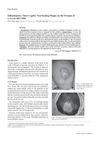
May 2010 in “Annals of the Academy of Medicine Singapore” This case report describes a 4-year-old girl in Singapore with inflammatory tinea capitis, which improved with oral griseofulvin and selenium sulfide shampoo.
 February 2023 in “JAAD case reports”
 This case report describes a patient who developed Trichodysplasia spinulosa, a folliculocentric viral infection, after heart transplantation, and experienced improvement in her skin condition following modulation of immunosuppressive therapy and application of topical cidofovir.
 January 2024 in “JOURNAL OF CLINICAL AND DIAGNOSTIC RESEARCH”
 In this case report, a 30-year-old woman with sudden eyebrow and eyelash hair loss was treated using Ayurvedic methods including herbal decoctions, leech therapy, and oil massage, resulting in significant hair regrowth by the 45th and 60th days.
 May 2024 in “International Journal of Advanced Multidisciplinary Research and Studies”
 In this cross-sectional study of COVID-19 positive patients in Bangladesh, researchers found that maculo-papular eruptions were the most common dermatological manifestation, with other prevalent conditions including chilblain-like eruptions, urticarial lesions, and petechiae/purpura.
 9 citations
,
January 2013 in “Acta dermato-venereologica”
9 citations
,
January 2013 in “Acta dermato-venereologica” The conclusion is that "trichoknesis" should be recognized as a separate condition from trichodynia, characterized by itching instead of pain.
1 citations
,
August 2024 in “Skin Health and Disease” Among pediatric alopecia areata patients treated with DPCP, this study reported complete hair regrowth in 8.8% and any regrowth in 61.8% after one year, with better outcomes for those with milder initial symptoms and longer treatment durations.
36 citations
,
May 2005 in “BMC dermatology” This study found that topical diphenylcyclopropenone was effective in treating severe alopecia areata but had a high relapse rate and was often accompanied by side effects like eczema and lymphadenopathy.
 April 2023 in “Jurnal Sain Veteriner”
 This case report describes a Persian cat with Acute Moist Dermatitis triggered by ectoparasite infestation and complicated by systemic infection, which required intensive treatment including antiparasitics and antibiotics.
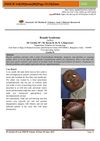 June 2022 in “Journal of medical science and clinical research”
 This case report describes a weaning infant diagnosed with Brandt syndrome displaying periorificial dermatitis and rapid symptom improvement following zinc supplementation.
April 2026 in “Expert Opinion on Biological Therapy” This review discusses prurigo nodularis and reports no new results, emphasizing the need for further research into its pathophysiology and treatment options.
June 2026 in “British Journal of Dermatology” This case report discusses an atypical presentation of bullous pemphigoid in a young man potentially triggered by occupational chemical exposure, highlighting diagnostic challenges and effective treatment with clobetasol propionate and prednisolone, transitioning to mycophenolate mofetil.

This case report details a 17-year-old boy diagnosed with atypical juvenile pityriasis rubra pilaris (type 5) after presenting with persistent itchy skin lesions since age seven.
 June 2026 in “Frontiers in Immunology”
 In this case report, a 57-year-old man with severe atopic dermatitis, vitiligo, and alopecia areata showed rapid and significant improvement after treatment with the JAK1 inhibitor upadacitinib, suggesting its potential as an effective monotherapy for these co-existing conditions when conventional therapies fail.
July 2023 in “Cosmoderma”  14 citations
,
September 2009 in “International Journal of Dermatology”
14 citations
,
September 2009 in “International Journal of Dermatology” This study found a potential link between staphylococcal carrier status and dermatitis cruris pustulosa et atrophicans, a chronic folliculitis primarily affecting the legs.
February 2013 in “Archives of Disease in Childhood Education & Practice” This text describes kerion, a severe form of tinea capitis, and emphasizes the difficulty of diagnosis and the need for oral antifungal treatment, but reports no new clinical results.

The researchers presented a rare case of a four-year-old developing scarring alopecia after a two-week ICU stay, highlighting the challenge of diagnosing pressure alopecia in children and the crucial role of early detection and trichoscopy in preventing permanent hair loss.
September 2025 in “Journal of the American Academy of Dermatology” 
This report describes a case where a patient's rash initially treated as atopic dermatitis with topical steroids was later diagnosed as tinea incognito, an atypical dermatophyte infection that worsened due to steroid use, but was effectively treated with oral and topical antifungals.
6 citations
,
January 2000 in “The Journal of Trace Elements in Experimental Medicine” In this study, an 11-year-old girl with acrodermatitis enteropathica showed significant improvement in symptoms after oral zinc therapy.