 64 citations
,
January 2009 in “Gynecological Endocrinology”
64 citations
,
January 2009 in “Gynecological Endocrinology” This study found that myo-inositol treatment reduced hirsutism and acne in women with PCOS by improving their metabolic profiles, including lower insulin and testosterone levels.
 64 citations
,
August 1999 in “The American journal of medicine”
64 citations
,
August 1999 in “The American journal of medicine” This study found that while a transscrotal testosterone patch increases serum testosterone levels in hypogonadal men with AIDS and weight loss, it does not improve weight, body cell mass, or quality of life.
 60 citations
,
May 2011 in “Endocrinology and Metabolism Clinics of North America”
60 citations
,
May 2011 in “Endocrinology and Metabolism Clinics of North America” This article discusses the association between hypertension and polycystic ovary syndrome, highlighting the need for managing related risk factors, but reports no new clinical results.
 58 citations
,
November 2020 in “International Journal of Molecular Sciences”
58 citations
,
November 2020 in “International Journal of Molecular Sciences” This review discusses the relationship between SHBG, NAFLD, and PCOS and reports no new clinical results; the authors highlight low hepatic SHBG production as potentially significant in PCOS pathogenesis.
 57 citations
,
April 2002 in “The journal of investigative dermatology/Journal of investigative dermatology”
57 citations
,
April 2002 in “The journal of investigative dermatology/Journal of investigative dermatology” This study found that the vitamin D receptor is crucial for initiating the postnatal hair follicular cycle in mice, preventing alopecia associated with its inactivation.
 54 citations
,
August 2017 in “Gynecological Endocrinology”
54 citations
,
August 2017 in “Gynecological Endocrinology” This review discusses treatments for polycystic ovary syndrome, including lifestyle changes, oral contraceptives, and various medications, and reports no new clinical findings; the authors highlight the potential of statins and inositol for managing symptoms.
 54 citations
,
May 2017 in “Biomedicine & Pharmacotherapy”
54 citations
,
May 2017 in “Biomedicine & Pharmacotherapy” This review discusses the nutrient profile and potential health benefits of pumpkin and watermelon seeds, concluding they are underutilized and could be developed into various nutraceuticals.
 51 citations
,
September 2020 in “Cell Metabolism”
51 citations
,
September 2020 in “Cell Metabolism” This study highlights that the mammalian target of rapamycin complex 2 (mTORC2)-Akt signaling axis is essential for hair follicle stem cells to return to their niche and regenerate effectively by regulating metabolic pathways.
 50 citations
,
August 2017 in “Diabetologia”
50 citations
,
August 2017 in “Diabetologia” This review discusses genetic factors that may influence the effectiveness of metformin in treating polycystic ovary syndrome and emphasizes the need for further research to establish clear benefits.
 49 citations
,
July 2021 in “Nutrients”
49 citations
,
July 2021 in “Nutrients” This review explores lifestyle modifications for women with polycystic ovary syndrome, discussing dietary, physical, and supplementation strategies, but reports no new clinical results.
 46 citations
,
September 2014 in “Steroids”
46 citations
,
September 2014 in “Steroids” This review suggests that brassinosteroids may have similar biological activities in both plants and other organisms, prompting further exploration of steroid regulation mechanisms across different life forms.
 45 citations
,
February 2012
45 citations
,
February 2012 Among obese women potentially eligible for combined oral contraceptives, this study observed a higher frequency of non-alcoholic fatty liver disease in those with polycystic ovary syndrome.
 38 citations
,
June 2004 in “Human Reproduction”
38 citations
,
June 2004 in “Human Reproduction” This review discusses the challenges of using surrogate variables versus primary clinical end-points in PCOS trials and reports no new research results; the authors suggest focusing future studies on primary outcomes.
 37 citations
,
February 2007 in “Clinical Obstetrics and Gynecology”
37 citations
,
February 2007 in “Clinical Obstetrics and Gynecology” This article examines current pharmacologic treatments for PCOS focusing on symptom-specific approaches, particularly the metabolic effects of therapies, but reports no new clinical findings.
 35 citations
,
January 2011 in “Clinical Endocrinology”
35 citations
,
January 2011 in “Clinical Endocrinology” Metformin should be used for PCOS mainly in those with glucose intolerance, and has limited benefits for infertility or hirsutism.
 34 citations
,
June 2010 in “Archives of Disease in Childhood”
34 citations
,
June 2010 in “Archives of Disease in Childhood” This review discusses normal menstrual variations and common menstrual disorders in adolescent girls, focusing on symptoms, evaluation, and management, but does not present new clinical results.
 34 citations
,
August 2005 in “Dermatologic Clinics”
34 citations
,
August 2005 in “Dermatologic Clinics” This review discusses how the brain can influence skin biology, suggesting a link between psychological factors and skin health, but it reports no new scientific findings.
 33 citations
,
January 2018 in “The Journal of Clinical Endocrinology & Metabolism”
33 citations
,
January 2018 in “The Journal of Clinical Endocrinology & Metabolism” Metformin improves menstrual cycles and hormone levels in women with PCOS, mostly within the first 6 months.
 33 citations
,
November 2012 in “JAMA Dermatology”
33 citations
,
November 2012 in “JAMA Dermatology” In this study, 14 out of 15 women with scalp dysesthesia also had cervical spine disease, and gabapentin improved symptoms for some patients.
 31 citations
,
September 2006 in “International journal of gynaecology and obstetrics”
31 citations
,
September 2006 in “International journal of gynaecology and obstetrics” This article reviews diagnostic criteria and treatment options for polycystic ovary syndrome, focusing on hormonal and metabolic management strategies, and presents no new clinical data.
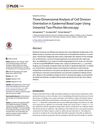 31 citations
,
September 2016 in “PLoS ONE”
31 citations
,
September 2016 in “PLoS ONE” The researchers reported that in hairless mice, epidermal cell division orientations and epidermal thickness varied by body site, with dorsal and ear epidermis primarily dividing parallel to the basement membrane, unlike hind paw and tail epidermis.
 30 citations
,
September 2017 in “Clinics in Dermatology”
30 citations
,
September 2017 in “Clinics in Dermatology” This article reviews the clinical and histological features of acanthosis nigricans and its associations with insulin resistance and other conditions, but highlights the need for more research on its classification, severity assessment, and treatment options.
 30 citations
,
October 2014 in “Journal of The American Academy of Dermatology”
30 citations
,
October 2014 in “Journal of The American Academy of Dermatology” This article reviews current treatment options for acne, hirsutism, and androgenetic alopecia in women with PCOS, recommending individualized and multidisciplinary approaches, but reports no new clinical results.
 30 citations
,
June 2017 in “Talanta”
30 citations
,
June 2017 in “Talanta” This review discusses the critical parameters for MALDI IMS sample preparation in skin analysis and highlights its applications in wound healing, neoplasia, and infection research, but reports no new clinical results.
 29 citations
,
January 2011 in “Journal of Obstetrics and Gynaecology”
29 citations
,
January 2011 in “Journal of Obstetrics and Gynaecology” This review discusses insulin resistance in women with polycystic ovary syndrome and reports no new clinical results; it highlights the potential benefits of lifestyle changes and insulin-sensitizing drugs.
 29 citations
,
October 2016 in “Cell death and differentiation”
29 citations
,
October 2016 in “Cell death and differentiation” This study found that in squamous cell carcinomas, the inhibition of the tumor-suppressor function of TAp73β by ΔNp63α occurs through promoter squelching, not direct protein interaction.
 24 citations
,
January 2020 in “International Journal of Molecular Sciences”
24 citations
,
January 2020 in “International Journal of Molecular Sciences” This review discusses the potential benefits of flavonoid-containing botanicals, such as Panax ginseng, in reducing hair loss and promoting hair growth, but reports no new experimental results.
 24 citations
,
July 2019 in “Cochrane library”
24 citations
,
July 2019 in “Cochrane library” This review found that oral methotrexate plus oral prednisone may improve disease activity or damage in juvenile active morphea compared to placebo plus prednisone, but adverse events may slightly increase.
 23 citations
,
June 2015 in “Clinica Chimica Acta”
23 citations
,
June 2015 in “Clinica Chimica Acta” In this study, researchers identified two potential urinary biomarkers, testosterone–glucuronide and 11α-hydroxyprogesterone, along with four candidate biomarkers, to help understand and diagnose polycystic ovary syndrome.
 21 citations
,
September 2017 in “Journal of Obstetrics and Gynaecology Research”
21 citations
,
September 2017 in “Journal of Obstetrics and Gynaecology Research” This meta-analysis found that chromium supplementation was associated with decreased insulin resistance but increased testosterone levels in women with PCOS, with no significant benefits for other metabolic or hormonal indexes.