 January 2020 in “Journal of Cosmetics, Dermatological Sciences and Applications”
 In a 3-month study, over 90% of healthy women experiencing self-perceived hair thinning reported that the nutritional supplement DEEPLY ROOTED improved their hair growth, volume, and quality, without significant adverse effects.
October 2025 in “OPAL (Open@LaTrobe) (La Trobe University)” In a study on secondary hair follicle stem cells from Arbas cashmere goats, researchers found that 10 μg/mL quercetin for 48 hours enhances cell proliferation and inhibits apoptosis through multiple signaling pathways, potentially improving cashmere production.
In this study, researchers assessed the physical-chemical and microbiological stability of various pharmaceutical ingredients in the vehicle TrichoSolTM, finding differing beyond-use dates for the compounds, such as 180 days for cetirizine hydrochloride, but only 90 days for progesterone at higher concentrations.
 July 2026 in “Zenodo (CERN European Organization for Nuclear Research)”
 This review highlights that herbal cosmetics, incorporating modern technologies and traditional knowledge, offer various biological benefits like antioxidant and anti-aging properties. The authors emphasize the need for further clinical validation and standardized manufacturing processes to ensure their long-term safety and effectiveness.
 November 2025 in “Clinical Cosmetic and Investigational Dermatology”
 This study found that a combination of five medicinal plants traditionally used in Chinese medicine significantly improved skin repair and delayed aging markers in laboratory models, suggesting synergistic anti-aging effects over individual ingredients.
 2 citations
,
January 2018 in “International Journal of Advanced Community Medicine”
2 citations
,
January 2018 in “International Journal of Advanced Community Medicine” This study reported the formulation of a new cream combining niacinamide and retinol aimed at reducing hyperpigmentation and providing anti-aging and moisturizing effects. It found that the cream remained stable under various environmental conditions and did not cause skin irritation in patch tests.
July 2022 in “Journal of Investigative Dermatology” The combination of a plant extract and a peptide can increase hair pigmentation and may reverse greying.
 May 2026 in “International Journal of Molecular Sciences”
 In this study, a new formulation of human placental extract showed antioxidant and neurite outgrowth activities, significantly reduced hair graying in mice, and alleviated neuropathy symptoms, suggesting potential therapeutic benefits.
 August 2026 in “Zenodo (CERN European Organization for Nuclear Research)”
 This record provides supplementary materials for a theoretical model suggesting that animal-based diets may support hair follicle stability through various biological mechanisms, including regenerative peptides and anti-glycation protection.
 May 2026 in “The Scientific Issues of Ternopil Volodymyr Hnatiuk National Pedagogical University Series pedagogy”
 The researchers reported that integrating the naturopathic complex Detoxil into standard therapy for chronic dermatoses enhances detoxification, normalizes metabolic markers, and accelerates symptom resolution, suggesting potential benefits for managing skin conditions.
 January 2019 in “Journal of cosmetology & trichology”
 In this study, researchers found that supplementation with L-cystine, either alone or with a keratin hydrolysate, significantly improved hair density, hair and nail brightness, and nail growth in women experiencing acute telogen effluvium and brittle nail syndrome over three months.
 October 2020 in “Journal of bio innovation”
 In this study, DanEra, an herbal hair tonic from Pomegranate and Beetroot extracts, showed equivalent effectiveness to the standard drug Ketoconazole in microbiological tests and provided significant relief from severe dandruff in all volunteers within 10 days.
 April 2021 in “The journal of investigative dermatology/Journal of investigative dermatology”
 This study found that a shampoo containing a 6-active ingredient complex increased β-Catenin production in human hair follicle dermal papilla cells to levels comparable to Finasteride, suggesting potential for promoting hair growth. It also showed good cleaning efficacy, volume, and shine in a sensorial study.

This theoretical research project proposes the Carnivore Follicular Integrity Framework, suggesting that animal-based diets may support hair follicle stability through various evolutionary and mechanistic pathways.
 March 2012 in “Daehan hwajangpum hakoeji/Daehan hwa'jangpum haghoeji”
 This study observed that a cream containing functional compounds from medicinal plants increased collagen production in human skin, while a hair tonic enhanced hair growth in mice.
 July 2026 in “Dermatology and Therapy”
 In this study, women experiencing hair thinning who consumed tailored botanical-based nutraceuticals saw significant increases in linear hair growth rate and other hair health parameters over 90 and 180 days, supporting their effectiveness across different life stages.
3 citations
,
June 2012 in “Korean Journal of Human Ecology” This study found that a supplement containing medicinal plant extracts, amino acids, and vitamins decreased hair loss and increased hair thickness over three months, without significant side effects, in participants with hair loss concerns.
4 citations
,
December 2019 in “Trials” This study aims to evaluate the effectiveness of YH0618 granules in preventing chemotherapy-induced hair loss in breast cancer patients through a randomized, double-blind, multi-center clinical trial, focusing on potential mechanisms related to kidney deficiency as understood in Chinese Medicine. Results are not yet reported.

This review discusses potential cosmeceutical treatments for hair loss, including ingredients like procyanidins and isoflavones, but does not present new clinical outcomes; the authors highlight the promise of further research.
 October 2021 in “Interfaces Científicas”
 This study analyzed the nutritional composition of 75 nutricosmetic products, finding common ingredients like biotin and zinc, but emphasized the need for further research on their effectiveness for hair and nail health.
 August 2026 in “Zenodo (CERN European Organization for Nuclear Research)”
 This source provides supplementary materials for the Carnivore Follicular Integrity Framework, a theoretical model proposing that animal-based diets may support hair follicle stability through several biological mechanisms. The materials include definitions, nutrient tables, and mechanistic notes but do not report empirical results.
September 2022 in “Zenodo (CERN European Organization for Nuclear Research)” This article discusses Fluxactive Complete, a natural supplement for prostate health, and reports no new clinical results.
 September 2024 in “Journal of the American Academy of Dermatology”
 No specific results were reported in this abstract; it aims to explore the psychological effects of hair loss conditions like Chronic Telogen Effluvium and Androgenetic Alopecia, emphasizing the potential link between micronutrient deficiency and hair health.

This study found that quercetin significantly promoted proliferation and inhibited apoptosis of hair follicle stem cells from Arbas cashmere goats, suggesting potential benefits for improving cashmere production.
5 citations
,
January 2012 in “Journal of nutrition & food sciences” This study found that a nutritional supplement containing peptides, lipids, hyaluronic acid, and collagen improved skin, hair, and nail dryness, with significant benefits noted for those with severe symptoms.
 1 citations
,
April 2012 in “Korean Journal of Food Science and Technology”
1 citations
,
April 2012 in “Korean Journal of Food Science and Technology” This study found that combining an oral herbal composition with a topical hair tonic resulted in a stronger hair growth effect in mice than either treatment alone.
 3 citations
,
March 2022 in “International Journal of Trichology”
3 citations
,
March 2022 in “International Journal of Trichology” This study found that nutritional supplementation with hydrolyzed collagen, amino acids, vitamins, and minerals significantly improved hair anagen/telogen ratios and hair density in telogen effluvium patients.
 January 2017 in “Clinical approaches and procedures in cosmetic dermatology”
 This study highlights the roles of dietary nutrients in maintaining skin health, noting that shortages can lead to hard-to-detect dysfunctions, and suggests that nutraceuticals may help address these nutritional gaps and improve skin-related issues linked to aging and dermatoses.
 January 2020 in “Asian Journal of Basic Science & Research”
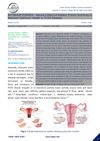
 This review discusses the role of Nutrease powder in managing hormonal disturbances in polycystic ovary syndrome and reports no new clinical results.
 13 citations
,
January 2012 in “International Journal of Trichology”
13 citations
,
January 2012 in “International Journal of Trichology” This study reports a case where excessive consumption of "paradise nuts" led to acute selenium toxicity and massive hair loss.