 17 citations
,
May 2011 in “Gene Therapy”
17 citations
,
May 2011 in “Gene Therapy” This study found that transfecting hair follicle stem cells with a PEI-DNA complex expressing hTERT stimulated hair growth in rats by inducing follicle neogenesis and promoting the anagen phase.
 15 citations
,
August 2013 in “Stem Cells and Development”
15 citations
,
August 2013 in “Stem Cells and Development” This study proposes a two-step method that may enhance the generation of stem-like epidermal cells with superior proliferation and differentiation potential for skin regeneration.
 10 citations
,
December 2011 in “Cell Transplantation”
10 citations
,
December 2011 in “Cell Transplantation” This study suggests that cultured human hair follicle cells can potentially recreate epidermis and produce bioengineered hair follicles in a GMP cell factory for regenerative therapy in alopecia.
 6 citations
,
July 2015 in “European Journal of Dermatology”
6 citations
,
July 2015 in “European Journal of Dermatology” Stopping methotrexate might reverse lymphoma-like conditions in some patients.
 2 citations
,
December 2016 in “Experimental cell research”
2 citations
,
December 2016 in “Experimental cell research” This study reveals that CSPG4-positive basal cell keratinocytes show distinct global gene expression from CSPG4-negative cells, despite similar colony-forming efficiency.
 2 citations
,
November 2007 in “Journal of Investigative Dermatology”
2 citations
,
November 2007 in “Journal of Investigative Dermatology” This study found that bulge keratinocytes in mice develop resistance to glucocorticoid treatment more slowly than interfollicular keratinocytes and do not significantly aid in repairing glucocorticoid-induced skin atrophy within five days.
 December 2023 in “bioRxiv (Cold Spring Harbor Laboratory)”
 This research examined the transcriptional landscape of quiescent melanocyte stem cells (qMcSCs) in adult female mice, revealing significant heterogeneity within this cell population and identifying novel subpopulations that vary in immune privilege regulation, melanocyte differentiation potential, and neural crest potential.
 October 2023 in “bioRxiv (Cold Spring Harbor Laboratory)”
 This study found that neonatal Regulatory T cells are crucial for maintaining PPARγ signaling in hair follicles, which supports melanocyte stem cell function and skin pigmentation during early postnatal development.
 April 2020 in “Journal of animal research”
 In this study, researchers identified hair follicle stem cells in the bulge region of canine hair follicles, suggesting potential applications for future translational research.
 January 2007 in “The Year book of dermatology”
 Researchers successfully isolated and identified key stem cells in human hair follicles, which could help develop new skin and hair treatments.
January 1975 in “NJEA Review” This Phase II study found that BAY 43-9006, given at 400 mg orally twice daily, led to stable disease in 30% and tumor reduction in 40% of renal cell carcinoma patients.
July 2024 in “Journal of Investigative Dermatology” IL-27 may help prevent hair loss in alopecia areata by promoting immunosuppressive T cells.
 October 2021 in “Journal of Investigative Dermatology”
 This study found no significant difference in the seroconversion rate of SARS-CoV2 IgG between patients with Immune Mediated Inflammatory diseases undergoing Targeted Immune-Modulating Therapies and those on conventional systemic treatment.
 April 2023 in “The journal of investigative dermatology/Journal of investigative dermatology”
 This study revealed distinct cellular and transcriptomic differences among various subtypes of cutaneous T-cell lymphoma, particularly highlighting characteristics unique to folliculotropic mycosis fungoides.
 25 citations
,
August 2007 in “Molecular Therapy”
25 citations
,
August 2007 in “Molecular Therapy” This study found that using ectopic expression of CD24 is a promising approach for selecting genetically modified human epidermal stem cells for safe cutaneous gene therapy in cancer-prone conditions.
28 citations
,
April 2024 in “Immunity” In this study, researchers found that hair follicle stem cells activate an immune-modulatory program during wound healing, promoting Treg cell expansion and aiding skin repair, while deleting certain immune components impaired healing and increased inflammation in a mouse model.
September 2002 in “Oncology Times” This study presented at the ASCO Annual Meeting reported that the epidermal growth factor receptor antibody ABX-EGF showed preliminary efficacy in renal cell cancer patients, with tolerable side effects, while bortezomib demonstrated clinical benefit in a significant proportion of multiple myeloma patients.
 15 citations
,
November 2022 in “Cell Death and Disease”
15 citations
,
November 2022 in “Cell Death and Disease” In this study, the researchers identified CEP135 as a biomarker linked to poor sarcoma survival and suggested PLK1 as a potential therapeutic target for sarcoma patients with high CEP135 expression.
23 citations
,
December 2013 in “Molecular cancer therapeutics” This study found that AR-positive breast cancer cell lines are more sensitive to the dual PI3K/mTOR inhibitor NVP-BEZ235 compared to AR-negative cells.
105 citations
,
October 2018 in “Nature” This study found that vismodegib promotes Basal cell carcinoma regression by inducing tumor differentiation but leaves a small population of quiescent cells that can drive relapse, which can be eliminated by adding a Wnt signaling inhibitor.
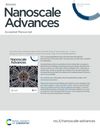 January 2026 in “Nanoscale Advances”
 In this study, a biocompatible zinc oxide nanocomposite loaded with the anticancer drug 9-Br-Nos demonstrated effective drug delivery and cytotoxicity against lung cancer cells in vitro, while also proving non-toxic to healthy cells, suggesting its potential for targeted lung cancer treatment.
7 citations
,
December 2016 in “Journal of the American Academy of Dermatology” In this study, researchers found that patients with alopecia areata had a significant increase in NKG2D+CD4+ T cell levels in their blood compared to healthy controls.
64 citations
,
March 2004 in “Journal of Clinical Investigation” This study found that inhibiting the enzyme ornithine decarboxylase (ODC) prevented UVB-induced basal cell carcinomas in a mouse model, suggesting ODC is a potential target for chemoprevention strategies.

This study identified CD28 as a potential drug target in treating alopecia areata by linking immune signaling pathways to local inflammation, highlighting belatacept as a promising treatment option due to minimal adverse effects and providing insights into autoimmune target discovery.
 133 citations
,
May 2016 in “Cell Host & Microbe”
133 citations
,
May 2016 in “Cell Host & Microbe” In this study, human dermal fibroblasts were identified as natural host cells that support productive Merkel cell polyomavirus infection, and the MEK antagonist trametinib was introduced as an effective inhibitor to control the virus.
1 citations
,
July 2025 in “Journal of Investigative Dermatology” IL-27 may help prevent hair loss by creating immune-suppressing cells.
 10 citations
,
December 2015 in “International Journal of Molecular Sciences”
10 citations
,
December 2015 in “International Journal of Molecular Sciences” This study suggests that PDCD4 regulates keratinocyte proliferation and contact inhibition, playing a role in epidermal homeostasis and wound healing.
This study found that prophylactically administering amotosalen-treated allogeneic donor T cells at transplantation significantly improved immune reconstitution and protection against murine cytomegalovirus infection without inducing graft-versus-host disease.
3 citations
,
January 2017 in “Acta Dermato Venereologica” This study found that a specific T-cell receptor motif associated with lipid-antigen stimulation may play a role in the pathogenesis of folliculotropic mycosis fungoides.
May 2022 in “Голова и шея.” This report describes a case of a patient with metastatic renal cell carcinoma who developed a psoriasiform skin lesion while undergoing immune checkpoint inhibitor therapy.