 1 citations
,
January 2022 in “Research Square (Research Square)”
1 citations
,
January 2022 in “Research Square (Research Square)” This study found that CRISPR/Cas9 efficiently edited two cellulose synthase-like genes in spinach, significantly altering root hair growth patterns and suggesting potential for large-scale genome editing in this crop.
 March 2024 in “Cytologia”
 In this study, researchers observed that melatonin-mediated LncRNA MTC in Liaoning cashmere goat skin fibroblasts enhances cell proliferation by interacting with the GSTM1 protein, affecting its complex formation with ASK1 and thereby inhibiting apoptosis, which may be relevant for improving cashmere growth.
5 citations
,
January 2018 in “Indian Journal of Dermatology/Indian journal of dermatology” This case report describes a 40-year-old woman who developed erythema annulare centrifugum, a type of skin rash, likely triggered by taking the drug aceclofenac.
 1 citations
,
September 2017
1 citations
,
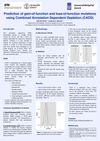
September 2017 This study found that the combination of Stemoxydine® and Resveratrol improved hair density in women with Female Pattern Hair Loss.
15 citations
,
January 1991 in “Mammalian Genome” 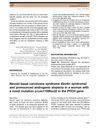 1 citations
,
September 2011 in “Journal of Dermatology”
1 citations
,
September 2011 in “Journal of Dermatology” This letter reports a woman with nevoid basal carcinoma syndrome and pronounced androgenic alopecia associated with a novel PTCH gene mutation p.Leu1159fsx32, suggesting a genetic link in this case study.
1 citations
,
December 2023 in “JAAD International” Mast cells may significantly contribute to central centrifugal cicatricial alopecia.
14 citations
,
March 2015 in “Stem Cell Research & Therapy” This study indicates that ABCG2 expression identifies interfollicular keratinocyte progenitor cells in human epidermis and suggests it could help enrich these stem cells for research and treatment.

This case study suggests that obstructive sleep apnea syndrome may be hereditary in patients with connective tissue disorders due to a variant in the COL1A2 gene.
16 citations
,
January 2019 in “Aging” This study found that transgenic mice expressing a mutant CYLD protein lacking deubiquitinase function showed signs of premature aging and spontaneous tumor development, likely due to over-activation of specific molecular pathways and chronic inflammation.
2 citations
,
September 2023 in “Journal of the American Academy of Dermatology” CTP-543 effectively promotes hair regrowth in adults with moderate to severe alopecia areata.
3 citations
,
August 1988 in “PubMed” 9 citations
,
June 2011 in “American Journal of Dermatopathology” This report presents a case of molluscum contagiosum virus infection within an epidermoid cyst in a 13-year-old on long-term steroid treatment, highlighting its rare occurrence and need for histological examination for accurate diagnosis.
June 1996 in “Journal of Dermatological Science” January 2017 in “Journal of Chemical Biological and Physical Sciences” This study found that human hair keratin genes contain a few simple sequence repeats, with one repeat in the exon of KRT31 and additional repeats in introns, varying in length compared to their orthologues.
May 2026 in “Animal Bioscience” This study found that m6A-circHECA enhances the differentiation of stem cells into hair follicle lineages in cashmere goats by sequestering miR-449a-5p, boosting LEF1 gene expression, and activating the Wnt/β-catenin pathway.
16 citations
,
April 2000 in “Journal of Investigative Dermatology” The study reports that the AVET system showed higher efficiency in transfecting cultured human keratinocytes compared to SuperFect and PrimeFector, with AVET reaching levels of enzyme activity similar to normal cells in keratinocytes from lamellar ichthyosis patients.
 3 citations
,
November 2013 in “Journal of Stem Cells and Regenerative Medicine”
3 citations
,
November 2013 in “Journal of Stem Cells and Regenerative Medicine” This article suggests that imaging abnormalities in intestinal stem cell compartments could potentially be incorporated into colorectal cancer screening, but provides no new clinical results.
1 citations
,
September 2023 in “Frontiers in Genetics” This study presents a rare case where a patient with a heterozygous mutation in the HTRA1 gene, typically considered non-pathogenic, exhibited severe symptoms and typical features of CARASIL, expanding the understanding of this condition.
67 citations
,
August 2004 in “Endocrinology” This study identified a novel I268T mutation in the vitamin D receptor that reduces its function, contributing to hereditary vitamin D-resistant rickets, and found that a potent vitamin D analog could improve receptor function.
 3 citations
,
January 2023 in “American journal of physiology. Cell physiology”
3 citations
,
January 2023 in “American journal of physiology. Cell physiology” This editorial reviews the roles and therapeutic potential of inward rectifying K+ channels in various physiological processes, highlighting their importance in health and disease but provides no new experimental results.
 December 2022 in “Research Square (Research Square)”
 In this study, the researchers developed a quantum algorithm, QuantAnts machines, which identified complexes of CD9, CD34, and CD74 as potential targets for certain cancers involving the RAS pathway.
5 citations
,
March 2017 in “Gene” This study found that the transcription factor CAP1 negatively regulates KRT83 expression in Tan sheep, possibly influencing their curly hair phenotype.
10 citations
,
December 2015 in “International Journal of Dermatology” This study suggests that basal cell carcinoma and trichoblastoma may share differentiation toward the hair follicle, as indicated by strong positivity in CK 15, follistatin, and Bmi‐1 markers.
 30 citations
,
June 2016 in “Journal of Human Genetics”
30 citations
,
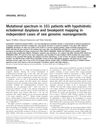
June 2016 in “Journal of Human Genetics” This study found pathogenic mutations in genes EDA, EDA1R, and EDARADD in 101 out of 124 hypohidrotic ectodermal dysplasia patients, revealing 23 novel mutations and indicating genetic variability.
 January 2024 in “Genetics in Medicine Open”
 In this report, two adult patients with Tatton-Brown-Rahman syndrome exhibited new cardiac features, such as atrial fibrillation and ventricular and atrial dilatation, highlighting the importance of cardiovascular follow-up in adults with this condition.
7 citations
,
October 2016 in “Cellular and Molecular Bioengineering” This study demonstrated that an automated algorithm can effectively track epithelial cell movement within clusters, revealing that partial knockdown of E-cadherin reduces electrotactic potential in breast epithelial cells, particularly in free-moving clusters, and suggesting an adhesion-independent role of E-cadherin in regulating cell electrotaxis.
 August 2023 in “Sabuncuoglu Serefeddin Health Sciences”
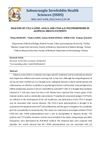
 This study investigated genetic markers for alopecia areata in the Turkish population, finding that the CT60 polymorphism might be linked to increased susceptibility, while no such association was found for the +49AG polymorphism; further studies are needed to confirm these findings.
 January 2023 in “Pesquisa Veterinária Brasileira”
 This study reports that hypotrichosis congenita in Hereford cattle is associated with a KRT71 mutation, leading to color dilution follicular dysplasia.
 January 2008 in “Yearbook of Dermatology and Dermatologic Surgery”
 Scientists can make stem cells that can turn into any cell type.