 11 citations
,
June 2012 in “Archives of Dermatological Research”
11 citations
,
June 2012 in “Archives of Dermatological Research” This study demonstrated that high doses of L-cystine and vitamin B6 effectively prevent doxorubicin-induced hair loss in mice.
 9 citations
,
December 2020 in “International Journal of Medical Sciences”
9 citations
,
December 2020 in “International Journal of Medical Sciences” This article reviews the development and use of induced pluripotent stem cell models and artificial organoids for studying neurodevelopmental disorders, but it reports no new clinical findings.
 5 citations
,
January 2022 in “Proceedings of the Pakistan Academy of Sciences B Life and Environmental Sciences”
5 citations
,
January 2022 in “Proceedings of the Pakistan Academy of Sciences B Life and Environmental Sciences” This review discusses the role of nanoparticles in cancer diagnosis and treatment and outlines their potential to improve outcomes by reducing systemic toxicity and overcoming multidrug resistance, though it reports no new clinical results.
 4 citations
,
October 2018 in “Asia-Pacific Journal of Clinical Oncology”
4 citations
,
October 2018 in “Asia-Pacific Journal of Clinical Oncology” This review discusses the use of CDK4/6 inhibitors with endocrine therapy in treating women with HR+ HER2- advanced breast cancer, but it reports no new clinical findings.
 2 citations
,
October 2020 in “Drug Discoveries & Therapeutics”
2 citations
,
October 2020 in “Drug Discoveries & Therapeutics” This study observed that Althaea officinalis gel increased fibroblast populations, hair follicles, and vessel diameter in rat wounds, suggesting it might aid wound healing, though further clinical studies are needed.
 June 2026 in “Frontiers in Materials”
 This review examines advancements in "smart" hydrogel dressings for complex wound healing, highlighting innovations in materials that provide multifunctionality, such as responsive drug delivery and regenerative capabilities. The study also addresses potential challenges in clinical application, like manufacturing and regulatory hurdles.
 May 2026 in “International Journal of Drug Delivery Technology”
 This review highlights that nanotechnology enhances the solubility, stability, and bioavailability of phytochemicals from medicinal plants, improving their therapeutic efficiency in disease models like cancer and infections. However, it indicates that further research is necessary to optimize formulations and ensure safety for clinical use.
 May 2026 in “Iranian journal of pharmaceutical research”
 This study found that HAMA hydrogels promote faster healing of skin wounds in mice by enhancing the accumulation of anti-inflammatory macrophages and increasing type III collagen in the local wound environment.
 April 2026 in “International Journal of Allied Medical Sciences and Clinical Research”
 In this study, researchers formulated an herbal hair serum with plant extracts like Hibiscus and Nigella and observed that it demonstrated acceptable physical properties and potential anti-dandruff activity, proposing it as a safe and effective alternative to synthetic hair care products.
 September 2025 in “Journal of Science Innovations and Nature of Earth”
 This source reviews the health benefits and challenges of using anthocyanins, noting their antioxidant, anti-inflammatory, and other protective effects, while also highlighting stability issues that need addressing for wider food and nutraceutical application.
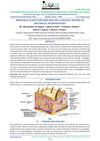 March 2024 in “International Research Journal Of Modernization In Engineering Technology And Science”
 This review highlights the beneficial effects of certain herbal drugs in treating skin diseases, such as their healing, antifungal, antiviral, antibacterial, anti-inflammatory, and antitumor-promoting activities, emphasizing recent technical advancements in the field over the past 17 years.
 December 2023 in “Research in pharmacy”
 This review underscores the importance of phytotherapeutic compounds and adjuncts in managing polycystic ovarian syndrome but does not present new clinical evidence.

In this study, researchers found that female rats exhibited more pronounced panic-related escape behavior during hypoxia, particularly in the diestrus phase, and that low-dose fluoxetine reduced this behavior, suggesting its potential for managing panic disorder symptoms related to hormonal cycles in women.

Custom skincare can be made based on genes, fewer cats in Lublin have FeLV/FIV than national average, and studies also looked at small water bodies, river pollution, guppy growth, toxins in biochars, palm oil issues, and pumpkin seed oil for hair strength.
 March 2021 in “Clin-Alert”
 This abstract lists a range of drugs and treatment agents like Abatacept, Amiodarone, and Remdesivir, but does not report any study results or findings.
 September 2017 in “The journal of investigative dermatology/Journal of investigative dermatology”
 This study found that orally administering the CCR5 inhibitor Maraviroc improved hair loss in 4 out of 5 mice with alopecia areata and also reduced the development of the condition, evidenced by decreased CCR5+ T-cell infiltration in treated mice.
 April 2017 in “Our Dermatology Online”
 This study explored how septuagenarians and octogenarians responded hedonically to natural cosmetics that were marketed as making them feel younger and more attractive, using a simple satisfaction questionnaire.

This study formulated and evaluated a Hibiscus rosa-sinensis herbal gel, identifying a 20% concentration as superior in physical properties, suggesting its potential as an alternative drug delivery system.
July 2023 in “LA Referencia (Red Federada de Repositorios Institucionales de Publicaciones Científicas)” This study evaluated the resin oil of Copaifera officinalis L., identifying 64 compounds and developing validated analytical methods for quality control, and formulated a stable pharmaceutical foam, laying groundwork for potential clinical applications of copaiba oil.
10 citations
,
January 2022 in “Journal of Research in Pharmacy” In this experimental study on Wistar albino rats, Cotinus coggygria leaf extract demonstrated potential as a treatment for burn-induced skin damage by reducing cytokine levels and promoting tissue healing.
7 citations
,
January 2019 in “Journal of Analytical Toxicology” This study found that hair samples from chronic tramadol and cannabis users showed positive drug presence for 3-4 months and 6-7 months, respectively, after discontinuation.
 43 citations
,
August 2016 in “Scientific Reports”
43 citations
,
August 2016 in “Scientific Reports” This animal study found that Cinnamomi cortex water extract reduced prostate weight and improved histological changes in a benign prostatic hyperplasia model, suggesting potential as a treatment.
24 citations
,
February 2022 in “Journal of Biological Chemistry” This study found that carvacrol activates the TRPV3 ion channel by binding to a specific pocket formed by the S2-S3 linker, providing insight into its role in skin sensitization and potential for designing specific modulators.
 128 citations
,
January 1996 in “Journal of analytical toxicology.”
128 citations
,
January 1996 in “Journal of analytical toxicology.” This study suggests that while hair analysis using GC-MS is a sensitive method for detecting cocaine ingestion, it may not reliably indicate the amount, timing, or duration of drug use due to interindividual variability and multiple incorporation mechanisms.
32 citations
,
January 2022 in “Oxidative Medicine and Cellular Longevity” This study found that cedrol, administered orally, exhibited potential antiarthritic effects in rats by reducing inflammation, oxidative stress, and arthritis severity.
 9 citations
,
November 2012 in “Biomolecules & therapeutics”
9 citations
,
November 2012 in “Biomolecules & therapeutics” This study found that diphlorethohydroxycarmalol significantly increased prostaglandin $E_2$ synthesis in HaCaT human keratinocytes by upregulating COX-1 and COX-2 expression, suggesting potential benefits from elevated $PGE_2$ production.
4 citations
,
December 2014 in “Annals of neurology” This editorial discusses the rationale and limited evidence for "medical marijuana," suggesting that THC, an FDA-approved alternative, may often be a more appropriate choice for clinical use.
 October 2024 in “Bangladesh Journal of Botany”
 This study found that cinnamic acid stress inhibited root growth more in cucumber seedlings than in figleaf gourd, potentially due to differences in hormone content and production rates.
 7 citations
,
May 2018 in “Indian Journal of Pharmacology”
7 citations
,
May 2018 in “Indian Journal of Pharmacology” This study found that the methanolic extract of Carthamus caeruleus roots significantly reduced inflammation, promoted wound healing, and enhanced hair growth in experimental models, supporting its traditional use in Northern Algeria as a skincare remedy.
 August 2016 in “Journal of Investigative Dermatology”
 This study suggests that enhancing endocannabinoid tone with an EMT-inhibitor may have anti-inflammatory effects and slightly increase sebaceous lipid production, which could be beneficial for dry skin conditions.