August 2022 in “Frontiers in Pharmacology” Ultrasound can improve targeted drug delivery, making treatments more effective with fewer side effects.
 March 2017 in “BJU international”
 This article discusses the BJUI's strategies to support urology-related clinical trials but reports no new experimental results; the authors emphasize the importance of rigorous trial design and reporting standards.
May 2024 in “International journal of medicine and psychology.” This article describes an increase in the detection of heart failure among young people and discusses the development of the drug Uperio for its treatment and support.
 13 citations
,
April 2016 in “Journal of Dermatology”
13 citations
,
April 2016 in “Journal of Dermatology” In this study, 308-nm excimer light therapy showed significant effects in some patients with treatment-resistant alopecia universalis, suggesting it as a potential alternative therapy.
1 citations
,
January 2023 in “Dermatologic Therapy” This study reported that a single treatment using macrofocused ultrasound energy with a 2 mm transducer significantly reduced pore count, pore volume, and pore index in 34 Thai subjects with enlarged facial pores over a 6-month period, with no adverse events observed.
 65 citations
,
January 2017 in “Postępy Dermatologii i Alergologii”
65 citations
,
January 2017 in “Postępy Dermatologii i Alergologii” This review highlights the increasing clinical applications of high-frequency ultrasonography in dermatology, particularly for assessing the depth of skin tumors and monitoring inflammatory skin diseases, but reports no new clinical results.
 14 citations
,
March 2020 in “Scientific Reports”
14 citations
,
March 2020 in “Scientific Reports” This study found that dual-frequency ultrasound with microbubble cavitation significantly enhanced minoxidil delivery and hair growth in both lab and animal models compared to single-frequency ultrasound, without damaging the skin in mice.
 23 citations
,
March 1998 in “Dermatologic Surgery”
23 citations
,
March 1998 in “Dermatologic Surgery” This narrative discusses the use of radiosurgery in cosmetic procedures and reports no new clinical results.
April 2022 in “Reactions Weekly” 
This study observed that exosome treatment in skin led to increased dermal vascularity and mild inflammation, with one alopecia patient showing hair follicle growth at treated areas.
This chapter summarizes the efficacy of NB-UVB monotherapy for vitiligo and notes that patients treated with tacrolimus showed significantly better repigmentation.
September 1998 in “Journal of the European Academy of Dermatology and Venereology” This study found that PUVA-turban therapy was a well-tolerated and potentially effective treatment for certain patients with severe, treatment-resistant alopecia areata, inducing hair regrowth in some cases.
 July 2023 in “Revista Ibero-Americana de Humanidades, Ciências e Educação”
 This study found that combining ultrasound with vacuum therapy showed promise in reducing cellulite and improving skin texture more effectively than individual treatments, albeit with mild, temporary side effects; ongoing research is needed to standardize protocols and understand the mechanisms involved.
1 citations
,
November 2020 in “Cureus” This study found that severity of female pattern hair loss in premenopausal women was related to other clinical signs of hyperandrogenism like hirsutism and acne, but not to biochemical measures of hyperandrogenism.
 July 2026 in “Nature Communications”
 This study reports that brief exposure to low intensity and low frequency ultrasound was able to transiently break cellular microtubules and mitigate hair follicle damage, suggesting a potential method to prevent hair loss during chemotherapy with taxanes like paclitaxel.
November 2020 in “Journal of the American Academy of Dermatology” Intense pulsed light with radiofrequency showed mixed results in improving quality of life for hidradenitis suppurativa patients, with no clinical improvements.
 August 2023 in “Clinical, Cosmetic and Investigational Dermatology”
 In this article, researchers describe a novel FUE device designed to enhance follicular unit excision surgery by minimizing follicular injury and improving ergonomics with features such as Bluetooth functionality, fingertip touch sensors, and automated operation.
 April 2023 in “The journal of investigative dermatology/Journal of investigative dermatology”
 This study provides ex vivo proof-of-principle that low-intensity ultrasound may protect human hair follicles from paclitaxel-induced damage, potentially reducing chemotherapy-related alopecia.
March 2022 in “Oncology Times” In this study, tebentafusp-tebn improved overall survival in patients with metastatic uveal melanoma compared to standard therapies, despite higher rates of significant adverse events.
1 citations
,
November 2021 in “Ultrasonography” This study found that applying low-intensity ultrasound enhanced hair growth on the treated area of mice with androgenic alopecia, potentially by affecting the action of finasteride.
 January 2026 in “Dermatology and Therapy”
 This study suggests that using UVFD to examine non-pigmented facial lesions can potentially enhance diagnostic accuracy and reduce unnecessary biopsies.
March 2015 in “DergiPark (Istanbul University)” This study concluded that topical psoralen and ultraviolet A photochemotherapy is an effective and safe treatment for alopecia areata, as it produced a good response in 43.8% of patients.
October 2022 in “Hair Transplantation” This chapter outlines the sequential steps for using motorized follicular unit extraction machines with blunt punches in hair restoration, noting their advantages in minimizing follicle transection and providing tactile feedback.
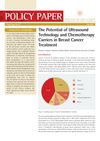
This policy paper explores the potential of using nanoscale carriers to deliver chemotherapy drugs directly to breast cancer tumors in the UAE, aiming to minimize harmful side effects and improve quality of life for patients by targeting only cancerous cells.
October 2006 in “Urology” The study found that different criteria led to different patient groups in the CombAT study compared to the MTOPS study.
7 citations
,
April 2008 in “Progrès en Urologie”  4 citations
,
July 2005 in “International Journal of Dermatology”
4 citations
,
July 2005 in “International Journal of Dermatology” This article does not contain an abstract and presents no new clinical findings, instead discussing prior cases and literature on infant alopecia universalis and the potential role of topical PUVA therapy.
11 citations
,
January 2022 in “Brazilian Oral Research” This study found that XP-endo Finisher R was approximately twice as effective as passive ultrasonic irrigation in removing root filling material from curved mesiobuccal canals of maxillary molars.
May 2023 in “Reactions Weekly” January 2013 in “Reactions Weekly”