15 citations
,
March 2021 in “EMBO Reports” PRSS35 enzyme may help start skin tumors and could be a target for cancer treatment.
 November 2023 in “Advanced Science”
 A specific hair protein variant increases the spread of breast cancer and is linked to worse survival rates.
 April 2017 in “Journal of Investigative Dermatology”
 This study identified that dominant mutations in the KLHL24 gene cause epidermolysis bullosa through dysregulated autoubiquitination, leading to excessive degradation of keratin 14.
 August 2023 in “Frontiers in Endocrinology”
 This study identified novel mitochondrial DNA variations in PCOS patients from Pakistan, which may serve as genetic predisposition markers, highlighting especially the potential pathogenicity of frameshift mutations in the MT-ND2 gene.
27 citations
,
November 2007 in “Genomics” This study found that mutations in type I IRS keratin genes disrupt keratin protein complexes in mice, suggesting crucial roles for these genes in proper hair coat formation.
 40 citations
,
February 2005 in “Fertility and Sterility”
40 citations
,
February 2005 in “Fertility and Sterility” This study suggests that although the G972R variant of the IRS1 gene might increase AA excess risk in heterozygous carriers with CYP21 mutations, both variations play a limited role in PCOS development.
 3 citations
,
February 2011 in “Journal of Biomedical Research/Journal of biomedical research”
3 citations
,
February 2011 in “Journal of Biomedical Research/Journal of biomedical research” This study identified a novel mutation, R430Q in the KRT86 gene, in a Han family with monilethrix, which may contribute to the disease's pathogenic mechanism.
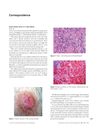 October 2010 in “International Journal of Dermatology”
 An 86-year-old man with prostate cancer was diagnosed with a rare, low-grade breast cancer and underwent surgery but declined additional hormone therapy.
6 citations
,
June 2006 in “International Journal of Gynecological Pathology” This study reports that in a case of benign Brenner tumor, elevated androgens may originate from luteinized stromal cells, as these cells do not convert androgen to estrogen due to suppressed aromatase biosynthesis.
 28 citations
,
March 2010 in “British Journal of Dermatology”
28 citations
,
March 2010 in “British Journal of Dermatology” This abstract contains only supplementary material information and reports no new research findings.
 64 citations
,
September 2006 in “International journal of epidemiology”
64 citations
,
September 2006 in “International journal of epidemiology” This article discusses a proposed "Darwinian" model of carcinogenesis and emphasizes that cancer prevention involves more than avoiding mutagens, as gene-environment interactions are complex and non-linear.
 April 2018 in “Journal of Investigative Dermatology”
 This study observed that β-catenin overexpression in human squamous cell carcinoma cells led to increased CREB expression, which significantly enhanced clonogenic activity, suggesting CREB as a β-catenin-regulated factor promoting cancer characteristics.
 29 citations
,
April 2019 in “Acta neuropathologica communications”
29 citations
,
April 2019 in “Acta neuropathologica communications” This study found that β-sitosterol, a brain-penetrable phytosterol, reduced melanoma cell growth and brain metastasis formation by interfering with mitochondrial respiration, suggesting its potential as an adjuvant therapy to BRAF inhibitors for patients with melanoma brain metastases.
 5 citations
,
June 2022 in “Frontiers in Endocrinology”
5 citations
,
June 2022 in “Frontiers in Endocrinology” This review discusses the role of the androgen receptor in breast cancer as a prognostic indicator and potential therapeutic target, highlighting its controversial therapeutic value and the need for further study.
 111 citations
,
October 2008 in “Nature Genetics”
111 citations
,
October 2008 in “Nature Genetics” In their study, Tim Spector and colleagues identified a new genetic association at chromosome 20p11.22 with male-pattern baldness, confirmed by the increased risk when combined with a known androgen receptor gene variant.

This study found significantly higher P-Smad2 levels in both lesional and nonlesional skin of organ transplant recipients, suggesting elevated TGF-β signaling might contribute to their increased cancer susceptibility.
 September 2024 in “Journal of Medicine and Life”
 In this study, researchers identified a recurrent nonsense mutation, c.409C>T (p.Arg137*), in the COL7A1 gene through whole exome sequencing in a family with autosomal recessive dystrophic epidermolysis bullosa, demonstrating the importance of this method for diagnosing genetically complex conditions.
15 citations
,
September 2014 in “PloS one” This study found that HIF1 and mTORC1 signalling were active in both basal cell carcinoma and trichoepithelioma, but the pathways do not reliably differentiate between the two.
 3 citations
,
November 2015 in “Endocrinology, Diabetes & Metabolism Case Reports”
3 citations
,
November 2015 in “Endocrinology, Diabetes & Metabolism Case Reports” This case study reports a rare instance of RC11 associated with precocious puberty, severe hyperandrogenism, insulin resistance, and type 2 diabetes, suggesting a possible link to 11q-syndrome.

This study identified 193 plasma proteins associated with prostate cancer risk, validating 20 high-risk proteins including KLK3, and pinpointed potential drug targets like HSPB1, RRM2B, and PSCA through genetic analysis, offering new insights for biomarkers and treatments.
 6 citations
,
August 2020 in “JCRPE”
6 citations
,
August 2020 in “JCRPE” This report presents a case of familial male-limited precocious puberty with a novel LHCGR gene mutation, where a boy responded well to treatment with bicalutamide and anastrozole.
 September 2016 in “Journal of Dermatological Science”
 This case report describes the first documented instance of epidermal nevus syndrome caused by a postzygotic KRAS G12C mutation in a three-year-old Japanese girl.
May 2019 in “CINECA IRIS Institutial Research Information System (University of Genoa)” This study found that patients with the MITF p.E318K variant are more likely to develop multiple primary melanomas and dysplastic nevi with uncommon dermoscopic patterns compared to non-carriers.
150 citations
,
June 1999 in “Oncogene”  30 citations
,
November 2000 in “British Journal of Cancer”
30 citations
,
November 2000 in “British Journal of Cancer” This study found that certain endocrine factors, influenced by smoking, birth order, and frequency of orgasms, may play an important role in the development of male breast cancer.
 April 2011 in “Vestnik dermatologii i venerologii”
 This study found an association between 'short' CAG repeats in the androgen receptor gene and increased non-random X chromosome inactivation in women with androgenic alopecia.
26 citations
,
June 2004 in “Clinical Genetics” This study describes a case of epidermolysis bullosa simplex where maternal somatic and germline mosaicism was identified, highlighting the significance for genetic counseling in sporadic cases.
This study mapped the curly mutation in mice to a specific region on chromosome 11, identifying it as a candidate model for studying human genetic hair disorders.
 November 2022 in “Journal of Investigative Dermatology”
 This study identified a novel LZTR1 mutation associated with hybrid schwannoma and neurofibroma in a patient with schwannomatosis, but not all cases of hybrid tumors are linked to this condition.
 March 2011 in “European Urology Supplements”
 CEC levels may be a useful marker for predicting prostate cancer progression.