 April 2023 in “Jordan Medical Journal”
 This study found no significant association between male pattern baldness and benign prostatic hyperplasia.
This systematic review evaluated the efficacy and safety of dutasteride in men with benign prostatic hyperplasia and found that dutasteride significantly reduced the need for prostate surgery and acute urinary retention episodes compared to finasteride, with no significant difference in safety profiles between the two.

This study found that men with benign prostate hyperplasia showed increased meibomian gland dysfunction and tear film instability compared to age-matched controls, and were also more likely to have androgenic alopecia.
January 2020 in “Journal of Men s Health” In this study of BPH patients with testosterone deficiency, the combination of TU and dutasteride reduced prostate volume and improved testosterone-related symptoms but was less effective for sexual function compared to TU alone, indicating caution in using dutasteride for those with sexual dysfunction concerns.
 April 2017 in “Actas urológicas españolas”
 This review analyzes existing literature on prognostic factors for renal cell carcinoma, highlighting the need for continuous updates of prognostic models to reflect advancement in molecular pathway knowledge and targeted therapies.
December 2016 in “The journal of sexual medicine” This study found that 63.8% of patients with lower urinary tract symptoms due to benign prostatic hyperplasia were undiagnosed with erectile dysfunction, and a significant majority responded positively to treatment.
 October 2015 in “Elsevier eBooks”
 Chewing betel nut may increase the risk of type 2 diabetes, and saw palmetto can improve urinary symptoms in BPH with fewer side effects but may cause bleeding and allergic reactions.
 November 2012 in “Endocrine Practice”
 This review outlines the physiological roles of 5a-reductases and highlights the need for further research to better understand their function and minimize adverse effects from their inhibitors used in treatment.
 September 2012 in “African Journal of Urology”
 This review describes the clinical features of testosterone deficiency syndrome in aging men but reports no new experimental findings, highlighting the need for clinical recognition and treatment of TDS.
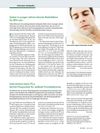
Men with early balding may have a higher risk of prostate issues, and surgery for prostate cancer has a slight survival benefit over radiation.
 February 2012 in “Community oncology”
 Finasteride for hair loss may increase the risk of certain cancers and has side effects; better regulation and education on its use are needed.
 September 2011 in “Urology”
 This study aimed to estimate the value of urine prostate specific antigen (uPSA) as a marker for benign prostatic hyperplasia (BPH) but reported no new clinical findings.
 September 2011 in “Urology”
 This study reports on biofeedback treatment for dysfunctional voiding in three adult cases, providing insights into this condition when diagnosed beyond childhood.
 March 2011 in “European Urology Supplements”
 CEC levels may be a useful marker for predicting prostate cancer progression.
 October 2010 in “Journal of Men's Health”
 This study found that adolescent men in Ireland are more likely to prefer keeping a baby over abortion in a hypothetical unplanned pregnancy, influenced by their anticipated regret and perceived familial attitudes.
 February 2010 in “Journal of The American Academy of Dermatology”
 This study found that nonobese women with idiopathic hirsutism had significantly lower nitrite/nitrate concentrations and higher fibrinogen levels compared to controls, but similar levels to women with PCOS.
 March 2009 in “The Journal of Urology”
 Low dose finasteride causes only minor changes in PSA levels in men over 50 with BPH.
 March 2009 in “The Journal of Urology”
 This study found that some cancer cells exhibit neuronal-like characteristics, which may serve as a mechanism of resistance.
 November 2024 in “Australasian Journal of Dermatology”
 This article critiques a study on finasteride use among individuals with benign prostatic hyperplasia and androgenetic alopecia, highlighting the flawed methodology and potential confounding effects of hair loss on mental health, which confuses interpretation of psychiatric risk.

This nested case-control study observed that patients with benign prostatic hyperplasia or androgenic alopecia who had a cumulative 5-ARI dose exceeding 5840 defined daily doses had a significantly reduced mortality risk, while lower doses were linked to higher mortality and suicide rates.
January 2024 in “Journal of Applied Health Sciences and Medicine” In this study, Nephrolepis biserrata extract significantly improved fertility indices in male Wistar rats with testosterone propionate-induced benign prostatic hyperplasia, showing increased sperm count and reduced prostate weight, suggesting potential pro-fertility benefits for BPH-related infertility.
March 2014 in “The Journal of Urology” This study observed that long-term treatment with 5ARIs in men with LUTS/BPH was linked to worsening sexual function, whereas doxazosin alone had minimal negative impact.
April 2022 in “The Journal of Sexual Medicine” This study suggests that using finasteride for alopecia or BPH may be less associated with suicidality and psychological adverse events when combined with PDE5 inhibitors or testosterone, possibly offering protective benefits.
November 2021 in “Evidencia” In this study, the use of finasteride in young patients may be linked to a higher risk of anxiety, depression, and suicide-related adverse events.
January 2017 in “Indian journal of health sciences and biomedical research KLEU” This study found no association between androgenetic alopecia and increased prostate volume or serum PSA levels in male patients aged 25–45.
36 citations
,
February 2016 in “British journal of pharmacology” This study found that SIRT1 negatively regulates fibroblast activation and excessive scar formation, suggesting it may be a promising drug target for treating hypertrophic scars.
386 citations
,
April 2006 in “PubMed” This review discusses the prevalence and treatment of benign prostatic hyperplasia and reports no new findings; it emphasizes considering side effects and comorbidities in therapy choices.
34 citations
,
April 2006 in “PubMed” This review discusses current treatments for benign prostatic hyperplasia and reports on the cost-effectiveness of alpha1-selective adrenergic receptor antagonists compared to other pharmacologic and invasive therapies without presenting new clinical results.
20 citations
,
January 2004 in “PubMed” This review discusses the pharmacologic effects, safety, and efficacy of dutasteride and finasteride for BPH, finding similar clinical benefits but greater DHT reduction with dutasteride and reports no new trial results.
11 citations
,
April 2020 in “Andrology” This study found that testosterone replacement therapy, especially intramuscular administration, significantly increased PSA levels compared to placebo, while a significant correlation between PSA and testosterone was observed in non-BPH patients.