January 2008 in “Linchuang pifuke zazhi” This study found that betamethasone increased tyrosinase activity and melanin content in amelanotic melanocytes from human hair follicles, suggesting a potential mechanism for glucocorticoid treatment in vitiligo.
1 citations
,
February 2023 in “Plants” This study reported that rice bran oil from the Thai rice variety BB4CMU showed potential in promoting melanin production and inhibiting steroid 5α-reductase, suggesting a natural option for hair revitalization.
4 citations
,
May 2023 in “Cells” In this study, baricitinib treatment improved the differentiation of skin-derived precursors into adipocytes for diseases like Hutchinson-Gilford progeria syndrome, suggesting potential benefits when combined with lonafarnib.
April 1996 in “Journal of Dermatological Science”  September 2026 in “Stem Cell Reviews and Reports”
 Bulge progenitor cells show promise for regenerating hair follicles and increasing hair density.
 September 2025 in “Arthritis Research & Therapy”
 In this study, researchers found that the compound BMS-470539 induced a senescence-like state in fibroblasts from systemic sclerosis patients, reducing fibrosis-associated markers in vitro and decreasing skin thickness in a mouse model of skin fibrosis, suggesting a novel therapeutic strategy for managing fibroblast-driven diseases.
18 citations
,
July 2016 in “Genetica” This study found that in Liaoning cashmere goats, the BMP4 gene shows increased transcription from the anagen stage to telogen, and higher gene methylation correlates with reduced expression in skin tissue.
1 citations
,
June 2007 in “Journal of Clinical Oncology” This study found that weekly low-dose bicalutamide was safe and appeared to be associated with high-grade PIN remission and favorable PSA modulation in subjects with persistently elevated PSA but negative biopsy.
 September 2023 in “Journal of The American Academy of Dermatology”
 In this study, researchers evaluated how subjects perceive the effectiveness of three FDA-cleared photobiomodulation devices for home use in treating androgenetic alopecia, though specific outcomes or comparative effectiveness are not reported in the abstract.
 June 2010 in “Melanoma research”
 This study found that LDE225, a novel Smo antagonist, shows potential as a topical treatment for basal cell carcinoma due to its high affinity binding and effective inhibition of tumor growth in preclinical models.
28 citations
,
November 2013 in “Cell and Tissue Research”  November 2022 in “Journal of Investigative Dermatology”
 This study developed a novel method to analyze the effects of COL7A1 mutations using mRNA from peripheral blood mononuclear cells, aiding genetic diagnosis and potential therapies for dystrophic epidermolysis bullosa.
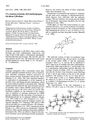 December 1998 in “Acta Crystallographica Section C-crystal Structure Communications”
 This study describes the molecular conformation and intermolecular interactions in the crystalline structure of the compound C24H31BrO4.
5 citations
,
October 2021 in “Journal of the American Academy of Dermatology” PRAME helps distinguish between benign and malignant skin cells in most cases.
 April 2016 in “Journal of Investigative Dermatology”
 This study found that administering botulinum toxin A via Flex-PADs to mouse footpads inhibited sweating similarly to traditional injections, suggesting a promising patient-friendly delivery method for hyperhidrosis treatment.
99 citations
,
March 2013 in “Journal of Investigative Dermatology” This study identified ABCB6 as the first gene linked to dyschromatosis universalis hereditaria (DUH) in a large Chinese family, suggesting it plays a role in skin pigmentation.
1 citations
,
February 2023 in “Pharmaceutics” This article reviews cell proteomic footprinting technology and its application in improving the authentication and quality control of cell-based immunotherapeutics, without providing new clinical results.
This study introduces a novel visible light-mediated intramolecular [2+2] cycloaddition process that forms 6-azabicyclo[3.1.1]heptanes, offering a new synthesis route for bioisosteric mimetics used in drug discovery, potentially expanding medicinal chemistry applications beyond traditional limitations.
1 citations
,
July 2025 in “Journal of Photochemistry and Photobiology B Biology” Photobiomodulation helps protect hair follicle cells from damage caused by DHT.
 September 2019 in “Journal of Investigative Dermatology”
 This study found that a combination of botanical extracts from jasmine, Longoza, peony, and lily significantly increased a6 and b4 integrin protein expression in human skin cells, suggesting complementary effects that could enhance skin quality.
 9 citations
,
July 2018 in “European Journal of Dermatology”
9 citations
,
July 2018 in “European Journal of Dermatology” Brodalumab effectively treated a man's severe hand and foot psoriasis.
 2 citations
,
June 2021 in “Research Square (Research Square)”
2 citations
,
June 2021 in “Research Square (Research Square)” This study identified a novel missense mutation in the FGF5 gene associated with the longhair phenotype in about 3% of Maine Coon cats, suggesting it may be a breed-specific variant.
70 citations
,
December 2004 in “Proceedings of the National Academy of Sciences” This study found that BMP signaling influences hair pigmentation in mice by affecting the Agouti protein and interacts with MC-1R pathways to modulate melanin production.
69 citations
,
August 1988 in “Journal of Investigative Dermatology” May 2005 in “Molecular Carcinogenesis” This study found that mrp/plf-mRNA expression in murine skin increases in response to different tumor promoters, suggesting its potential as a short-term biomarker for chemical carcinogenesis.
 12 citations
,
June 2020 in “Frontiers in Cell and Developmental Biology”
12 citations
,
June 2020 in “Frontiers in Cell and Developmental Biology” This study found that the PP2A-B55α regulatory subunit is crucial for ectodermal development in mice, with knockout embryos displaying severe neural and epidermal defects and failing to survive to birth.
6 citations
,
January 2014 in “Genetics and Molecular Research” This study constructed a hair follicle-specific expression vector for IGFBP-5 in Inner Mongolia Cashmere goat cells, allowing for future functional genetic analyses and potential use in nuclear transfer.
 April 2021 in “Research Square (Research Square)”
 This study found that the new cocrystal formulation KET-PABA improved the antimycotic efficiency of ketoconazole and induced an anti-inflammatory response without causing skin sensitization in mice.
 3 citations
,
February 2022 in “Rheumatology”
3 citations
,
February 2022 in “Rheumatology” In this report, a 25-year-old female patient with anti-MDA5 antibody-positive dermatomyositis and alopecia areata achieved complete remission of hair loss after treatment with baricitinib.