31 citations
,
May 2017 in “JAAD Case Reports” This article reviews the use of deoxycholic acid as a nonsurgical treatment for unwanted fat in the cosmetic field but reports no new clinical results.
48 citations
,
October 2004 in “Molecular and Cellular Biology” In this study, Brca1(S971A/S971A) mice showed a moderately increased risk of spontaneous tumor formation and defects in DNA damage response, suggesting CHK2 phosphorylation of BRCA1 is crucial for tumor suppression.
8 citations
,
August 1987 in “The Journal of Dermatology” This study reports that the monoclonal antibody BKN-1 specifically stained basal cell epithelioma cells and certain normal skin structures, indicating a similarity in keratin expression between the tumor and follicular epithelium below the isthmus portion.
 November 2025 in “SKIN The Journal of Cutaneous Medicine”
 In this study on adolescents with severe alopecia areata, baricitinib treatment showed effective scalp, eyebrow, and eyelash regrowth after 52 weeks, benefiting both responders and partial or non-responders, potentially reducing the psychosocial impact of the disease.
55 citations
,
July 1983 in “Journal of the American Academy of Dermatology” This case study of three siblings highlights the importance of recognizing dermatologic signs—alopecia and periorificial dermatitis—for early diagnosis and treatment of biotin-responsive multiple carboxylase deficiency.

CaBP1 and CaBP2 are important for continuous hearing by preventing inactivation of calcium currents in ear cells, with CaBP2 also able to restore hearing when reintroduced.
3 citations
,
January 2021 in “Molecular genetics & genomic medicine” In this study, novel mutations in the BTD gene were identified in a patient with profound biotinidase deficiency, highlighting the importance of biotinidase activity measurement and mutation analysis for early diagnosis.
 January 2025 in “International Journal of Advanced Biochemistry Research”
 This research proposes to investigate the incidence of skin diseases in dogs from North-eastern India linked to deficiencies in alpha-linolenic and linoleic acids, as these essential fatty acids have anti-inflammatory and immunomodulatory benefits potentially aiding inflammatory skin disease therapy.
 April 2010 in “The Journal of Urology”
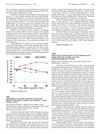
 Human prostate cells produce more WISP1/CCN4 when there's not enough oxygen.
April 2010 in “Cancer Research” This study found significant upregulation of IDO-1 and IDO-2 in human basal cell carcinomas, suggesting that IDO production may confer immune privilege characteristics to the tumors, potentially impacting their growth.
 32 citations
,
December 2014 in “Journal of experimental botany”
32 citations
,
December 2014 in “Journal of experimental botany” In this study, the authors concluded that arabinogalactan proteins recognized by specific antibodies are involved in the differentiation and development of barley root epidermal cells, contributing to root hair development.
76 citations
,
December 2011 in “Journal of Cell Science” This study found that keratins have evolutionarily conserved and domain-selectively enriched amino acids, which likely reflect their unique structural roles, with distinct patterns observed among epidermal, hair, and simple-type epithelial keratins.
 September 2009 in “European journal of paediatric neurology”
 Biotin supplements did not significantly reduce hair loss in rats on valproic acid.
August 2020 in “Benha Journal of Applied Sciences” This study observed that patients with androgenetic alopecia had significantly higher serum FABP4 levels compared to healthy controls, suggesting FABP4 may be involved in the condition's pathogenesis.
14 citations
,
July 2017 in “Fitoterapia” In this study, oleanolic acid was found to enhance hair follicle growth and promote hair matrix cell proliferation via the Wnt/β-catenin pathway in a human hair follicle organ culture model.
18 citations
,
October 2022 in “JCI Insight” This study found that altered amino acid metabolism, specifically involving glutamic and aspartic acids, promotes neurovascular reactivity in rosacea, suggesting a potential metabolic target for treatment.
 June 2023 in “Skin Research and Technology”
 The researchers reported that an oral supplement containing hydrolysed fish-origin collagen, taurine, cysteine, methionine, iron, and selenium significantly improved the effectiveness of anti-hair loss treatments in people with androgenic alopecia or chronic telogen effluvium after 12 weeks, compared to drug treatments alone.
 3 citations
,
April 2019 in “bioRxiv (Cold Spring Harbor Laboratory)”
3 citations
,
April 2019 in “bioRxiv (Cold Spring Harbor Laboratory)” In this study, beta-caryophyllene enhanced wound healing in female mice by improving re-epithelialization, cell proliferation, and cell migration, suggesting potential benefits of essential oil compounds in inflammation reduction.
12 citations
,
October 1952 in “Experimental biology and medicine” This study found that in young male rats, cortisone acetate inhibited body growth and caused alopecia, which vitamin B12 and aureomycin largely counteracted, especially when combined.
 2 citations
,
December 2018 in “Journal of cosmetic dermatology”
2 citations
,
December 2018 in “Journal of cosmetic dermatology” This study observed a significant increase in cellular retinol-binding protein-1 expression in lesional skin of patients with alopecia areata compared to healthy controls, suggesting its potential role in the disease's pathogenesis.
 7 citations
,
January 2015 in “Biological & Pharmaceutical Bulletin”
7 citations
,
January 2015 in “Biological & Pharmaceutical Bulletin” This study found that a 16-week dermal application of rice bran extract significantly increased hair density and diameter in male androgenic alopecia patients without causing adverse reactions.
 64 citations
,
November 2012 in “EMBO reports”
64 citations
,
November 2012 in “EMBO reports” This review discusses the role of lamins in development, tissue maintenance, and stress response, and does not report new experimental findings.
 December 2017 in “Journal of Cosmetic Dermatology”
 This article does not contain an abstract, so it provides no new research findings or clinical results.
 January 2025 in “International Journal of Pharmacognosy and Pharmaceutical Research”
 This study found that hydroalcoholic extracts of Bacopa monnieri demonstrated significant antimitotic activity in an Allium cepa model, suggesting potential comparable effects to the standard drug methotrexate.
 February 2024 in “Journal of the European Academy of Dermatology and Venereology”
 In this study, baricitinib for severe alopecia areata showed sustained efficacy over 104 weeks, with most Week-52 responders maintaining significant hair regrowth and some mixed responders improving further with long-term treatment.
 7 citations
,
May 2021 in “Applied sciences”
7 citations
,
May 2021 in “Applied sciences” This study investigated various proteins as eco-friendly hair perming agents for Asian hair and found that bovine serum albumin and keratin achieved perming results comparable to commercial products, while also increasing hair moisture, indicating a protective effect during heat styling.
 5 citations
,
September 2010 in “Cancer Prevention Research”
5 citations
,
September 2010 in “Cancer Prevention Research” This perspective discusses Villani et al.'s findings on the role of the IGF regulatory protein Igfbp2 in basal cell carcinogenesis and highlights potential therapeutic and preventive targets, while raising questions about the cell of origin.
September 2019 in “The journal of investigative dermatology/Journal of investigative dermatology” In this study, Mononuclear Cells provided site-specific protection against chemotherapy-induced alopecia in rats treated with Ara-C, but not with CTX or VP-16, while PRP showed no protective effect.
 11 citations
,
March 2018 in “Protoplasma”
11 citations
,
March 2018 in “Protoplasma” In this laboratory study, procyanidin B2 inhibited early plant growth and biochemical responses in wheat seedlings treated with lipopolysaccharides from Azospirillum brasilense, suggesting that plant response activation requires LPS recognition by plant cells.