 March 2021 in “International journal for research in applied science and engineering technology”
 In this study, researchers explored the use of natural herbal hair dyes made from tannin-producing plants like henna and pomegranate, reporting that these dyes can permanently color hair without causing damage or irritation, unlike synthetic dyes.
 July 2025 in “Chemistry & Biodiversity”
 This review compares the phytochemistry and pharmacological properties of Musa paradisiaca and Musa sapientum, highlighting their potential antidiabetic, antioxidant, and anti-inflammatory effects, as well as their use in traditional medicine for conditions like diabetes and inflammation.
 November 2023 in “International journal of biology, pharmacy and allied sciences”
 This review highlights scientific information about the medicinal uses and phytochemistry of Musa paradisiaca plant parts, which are traditionally used in human medicine to treat conditions such as diabetes, diarrhoea, hypertension, and ulcers, and exhibit various pharmacological activities including antidiabetic, antioxidant, and wound healing effects.
This review discusses the various medicinal properties attributed to the banana plant and reports no new clinical results; the authors suggest its potential in herbal medicine.
1 citations
,
November 2024 in “Sciences of Phytochemistry” This review assesses 191 studies and reports that bananas have numerous health benefits, including anti-inflammatory, cancer-reducing, and antihypertensive properties, while also supporting roles in treating diabetes and depression, highlighting the fruit's potential as both a functional food and medicinal plant.
 January 2026 in “Food and Feed Research”
 This review highlights the traditional medicinal uses, phytochemical composition, and pharmacological properties of Musa paradisiaca, noting its applications in treating diarrhea and other conditions, and identifying key bioactive compounds with antimicrobial, antioxidant, and other bioactivities through in vitro and in vivo studies.
January 2025 in “Journal of applied science and environmental management” This study found that palm oil treatment influenced the nutritional composition and enhanced the antifungal activity of banana and plantain peel ash extracts, suggesting their potential use as natural food preservatives or in treating fungal infections.

This review outlines the medicinal uses, phytochemical components, and pharmacological activities of the banana plant but presents no new experimental results.
October 2022 in “Zenodo (CERN European Organization for Nuclear Research)” This source describes Protetox as a natural dietary supplement that aids in weight loss by detoxifying the body, utilizing a blend of plant-based ingredients and antioxidants, and claims users have reported significant weight loss without changing their diet or exercise routines.
 4 citations
,
April 2013 in “International Journal of Pharmaceutical Sciences and Drug Research”
4 citations
,
April 2013 in “International Journal of Pharmaceutical Sciences and Drug Research” This study found that ethanol extracts from Musa paradisiaca cv. Puttabale corms have significant anthelmintic activity against Pheretima posthuma, outperforming the standard drug piperazine citrate in terms of paralysis and death times.
 March 2024 in “International Research Journal Of Modernization In Engineering Technology And Science”
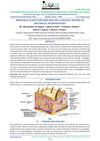
 This review highlights the beneficial effects of certain herbal drugs in treating skin diseases, such as their healing, antifungal, antiviral, antibacterial, anti-inflammatory, and antitumor-promoting activities, emphasizing recent technical advancements in the field over the past 17 years.
 16 citations
,
September 2018 in “Journal of Ethnopharmacology”
16 citations
,
September 2018 in “Journal of Ethnopharmacology” This review discusses the role of inheritance, androgens, and microinflammation in androgenetic alopecia and suggests some plant-based folk remedies may help address these factors but reports no new clinical results.
 October 2025 in “International Journal For Multidisciplinary Research”
 In this study, researchers documented the use of 69 plant species across 38 families in traditional medicine by herbal practitioners in Raichur District, detailing their therapeutic properties for 22 ailments such as fever, epilepsy, and diabetes, though interest in traditional practices is declining.
 November 2025 in “Frontiers of Agricultural Science and Engineering”
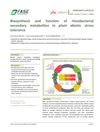
 This study observed that rhizobacterial strain RT3 significantly improved drought tolerance in lettuce by increasing survival rates and fresh biomass after rewatering, with metabolites such as proline and glycine enhancing stress resilience.
 September 2024 in “Oncology Advances”
 This review discusses the potential anticancer effects of medicinal plants, highlighting their diverse phytoconstituents and mechanisms, and considers both their future prospects and limitations in cancer treatment.
 1 citations
,
March 2019 in “International Journal of Current Pharmaceutical Research”
1 citations
,
March 2019 in “International Journal of Current Pharmaceutical Research” This study found that oil extracts from the plants Hedyotis corymbosa, Inula racemose, and Holostemma adakodien demonstrated significant antibacterial and antifungal activity in vitro compared to standard antibiotics and antifungals.
 August 2023 in “International Journal of Science and Research (IJSR)”
 This review compiles insights from ancient texts and recent studies on Kadali (Musa paradisiaca), highlighting its potential medical use in treating various disorders, including bleeding, eye, menstrual, bronchitis, diabetes, and uraemia.
 9 citations
,
April 2023 in “Journal for Research in Applied Sciences and Biotechnology”
9 citations
,
April 2023 in “Journal for Research in Applied Sciences and Biotechnology” This narrative discusses the critical roles of zinc in both biological processes and industrial applications but provides no new research findings.
 13 citations
,
November 2019 in “Scientific reports”
13 citations
,
November 2019 in “Scientific reports” This study found that inhibiting 5α-reductase in molluscs provokes a specific shell morphology, suggesting gastropods might have unique 5α-reductase substrates absent in vertebrates.
 11 citations
,
September 2020 in “Journal of Cosmetic Dermatology”
11 citations
,
September 2020 in “Journal of Cosmetic Dermatology” This study found that Blumea eriantha silver nanoparticles promoted hair growth in treated animals, with activity comparable to minoxidil in terms of anagen follicle transition.
 13 citations
,
January 2011 in “Journal of natural pharmaceuticals”
13 citations
,
January 2011 in “Journal of natural pharmaceuticals” This study suggests that extract from Musa paradisiaca unripe fruit may promote hair growth in mice, indicating potential as a hair growth treatment.
3 citations
,
July 2020 in “International Journal of Applied Pharmaceutics” This study evaluated shampoo formulations containing banana corm extract and found that they possess favorable physical and stability characteristics, suggesting potential as a natural haircare product.
May 2024 in “Molecules/Molecules online/Molecules annual” This narrative review reports that well-selected plant extracts and their active compounds may improve hair health by promoting hair growth and preventing hair loss, potentially aiding in developing targeted therapies for alopecia.
December 2024 in “Proceeding International Collaborative Conference on Multidisciplinary Science” In this study, researchers developed a shampoo using ambon banana peel and green tea leaves, reporting that it showed positive characteristics and was safe for addressing hair loss, with optimal viscosity levels achieved in certain formulations.
September 2025 in “Pharmaceutics” This review examines recent advances in androgenetic alopecia treatment, highlighting how multifunctional plant extracts combined with nanotechnology could improve topical therapy efficacy by enhancing local drug bioavailability and targeting, addressing limitations of existing treatments.
 1 citations
,
September 2023 in “Molecules (Basel. Online)”
1 citations
,
September 2023 in “Molecules (Basel. Online)” This source highlights that while plant sterols show potential benefits and applications in various industries, significant research gaps, including their complex structures and mechanisms, hinder their broader use, emphasizing the need for innovative sources and sustainable methods for their study.
 February 2025 in “Eduvest - Journal Of Universal Studies”
 In a laboratory study on guinea pigs, Kepok banana peel extract serum at a 30% concentration showed promising effectiveness for hair growth, with results close to those of 5% minoxidil®, suggesting it could be a viable hair care alternative.
4 citations
,
December 2024 in “International Journal of Molecular Sciences” This study found that extracts from Hom Thong banana peels, rich in phenolic compounds, may inhibit melanin production in human and mouse melanoma cells, showing potential as anti-melanogenic agents comparable to standard treatments like arbutin and kojic acid.
 November 2025 in “International Journal of Research and Innovation in Applied Science”
 This study explores the indigenous haircare knowledge of tribal women in Nandurbar District, Maharashtra, India, documenting 25 plant species used for haircare, with an emphasis on the ecological and cultural importance of these practices for sustainable personal care innovation.
12 citations
,
March 2023 in “Processes” In this study, extracts from Chenopodium quinoa, Glycine max, and Malpighia emarginata demonstrated stability, low toxicity, and effective cleaning potential as surfactants in shampoo formulations, showing performance similar to or better than commercial shampoos in terms of surface and interfacial tension and sebum removal.