 21 citations
,
July 2014 in “Antimicrobial Agents and Chemotherapy”
21 citations
,
July 2014 in “Antimicrobial Agents and Chemotherapy” This study found that finasteride alone is highly effective in preventing Candida albicans urinary biofilms and shows synergistic activity with fluconazole in vitro, suggesting potential for further clinical investigation.
January 2025 in “SSRN Electronic Journal” 60 citations
,
August 1969 in “British Journal of Dermatology” This study used an autoradiographic technique to observe that germicides in surfactants are primarily deposited on the stratum corneum of guinea-pig and human skin.
2 citations
,
July 2025 in “Drug development & registration” This study developed and tested a new algorithm for analyzing coat and skin coloration in laboratory animals, using digital images and hierarchical color clustering, which effectively quantified color proportions and tracked changes over time without specialized software.
11 citations
,
October 2017 in “Mycoses” In this case report, an 80-year-old male with severe sycosis barbae and no animal contact was successfully treated with oral terbinafine after diagnostic sequencing identified Trichophyton verrucosum as the infecting species.
 2 citations
,
April 2023 in “Pharmacognosy Journal”
2 citations
,
April 2023 in “Pharmacognosy Journal” This study found that bio fabricated herbal silver nanoparticles from Blumea lacera extracts demonstrated significant antibacterial activity against Staphylococcus aureus and Escherichia coli, and notable anti-inflammatory effects, though their antioxidant capacity was insignificant compared to the extract.
 February 1938 in “Journal of the American Medical Association”
 This abstract contains no research results but appears to be a web navigation or user interface message.
8 citations
,
March 2021 in “Drug testing and analysis” This study improved a hair analysis method to estimate the days of continuous ingestion of hay-fever medicines, with an average error of about 2 days from actual ingestion.
 December 2025 in “Babcock University Medical Journal”
 This study found that in patients with Alopecia Areata, CD27 and IL-35 levels were significantly higher in those with bacterial infections, suggesting they may be useful as immunological biomarkers.
 6 citations
,
February 2023 in “Plant and Soil”
6 citations
,
February 2023 in “Plant and Soil” This study found that volatile organic compounds from Bacillus subtilis strain WM13-24 enhanced root development in Arabidopsis and its host plant through auxin signaling.
74 citations
,
March 2006 in “Journal of Chromatography B” This review discusses the use of hair analysis for detecting misuse of drugs in livestock, covering hair biology, drug incorporation, sampling methods, and analytical techniques, but reports no new findings.
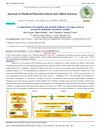 June 2024 in “Journal of medical pharmaceutical and allied sciences”
 In this study, researchers observed that Pectin from Nagpuri oranges significantly increased colony counts of probiotic bacteria like L. acidophilus and L. plantarum both in vitro and in vivo, suggesting potential use as a prebiotic or synbiotic in nutraceutical formulations.
12 citations
,
December 2011 in “Canadian Journal of Microbiology” In this study, all five serotypes of Ureaplasma were found to be pathogenic in a mouse model of lower genital tract infection, with serotype 4 showing the greatest pathogenicity.
December 2025 in “Cosmetics” This research identified unique gut microbiota patterns in alopecia areata patients, with potential as diagnostic biomarkers and suggesting avenues for microbiota-focused therapies.
 June 2025 in “Open Access Research Journal of Biology and Pharmacy”
 This study formulated an ointment using ethanolic extract from M. paradisiaca unripe peels and found that while the extract alone showed higher antibacterial activity against S. aureus and E. coli than the ointment, strategies to enhance the ointment's activity could be explored.
158 citations
,
January 2003 in “Journal of Forensic Sciences” This study demonstrates that a single exposure to GHB during a sexual assault can be detected by analyzing hair segments collected about one month after the incident.
 1 citations
,
July 2022 in “PLOS ONE”
1 citations
,
July 2022 in “PLOS ONE” This study found that in Lichen Planopilaris, the Microbacteriaceae family was negatively correlated with IL-23 expression, suggesting a role in the disease's inflammation and microbiota composition.
 17 citations
,
January 2014 in “Annals of Dermatology”
17 citations
,
January 2014 in “Annals of Dermatology” This study observed that using serial sectioning and d-PAS staining improved detection of Malassezia folliculitis, notably in lesions on the trunks of male patients.
5 citations
,
February 2023 in “Veterinary Sciences” This study found that adhesive tape impression cytology was effective for diagnosing dermatophytosis in dogs and cats, particularly in dogs with kerion, exhibiting sensitivity comparable to or higher than other tests.
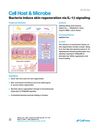 53 citations
,
April 2021 in “Cell Host & Microbe”
53 citations
,
April 2021 in “Cell Host & Microbe” This study found that skin microbiota, particularly in wild-type mice, promotes wound-induced hair follicle neogenesis and wound healing, highlighting the potential downsides of routine antibiotic use on skin regeneration.
 8 citations
,
January 2006 in “Pakistan Veterinary Journal”
8 citations
,
January 2006 in “Pakistan Veterinary Journal” This study demonstrates that bacteria contribute to hair follicle neogenesis after skin wounding through IL-1R1 signaling in keratinocytes.
November 2007 in “Pediatrics in review” This piece discusses the conditions of three children with disparate symptoms—suggesting silent aspiration, exogenous androgen exposure, and long QT syndrome—and emphasizes comprehensive assessment and history for correct diagnosis and management.
 19 citations
,
January 2011 in “Annals of Dermatology”
19 citations
,
January 2011 in “Annals of Dermatology” This study found that Malassezia restricta was more prevalent in patients with Malassezia folliculitis, suggesting a potential relationship between this species and the condition.
April 2026 in “Clinical Cosmetic and Investigational Dermatology” This study found that androgenetic alopecia involves fungal dysbiosis, with significant depletion of the commensal yeast Malassezia and enrichment of opportunistic microbes, affected by host factors and geography.
 September 2023 in “International Journal of Cosmetic Science”
 The researchers observed that two non-antimicrobial shampoos caused a significant increase in fungal germs but did not affect the overall scalp microbiota diversity over two weeks, suggesting these formulations may preserve or stimulate the scalp microbiota without adverse effects.
 1 citations
,
January 2024 in “Journal of applied pharmaceutical science”
1 citations
,
January 2024 in “Journal of applied pharmaceutical science” This study investigated bacterial isolates from Xylocarpus sp. mangrove fruit and found that these symbiotic bacteria exhibit antibacterial, antifungal, and hair follicle growth properties, suggesting potential applications in the cosmetic bioindustry, particularly for treating alopecia.
7 citations
,
October 2021 in “Journal of Mind and Medical Sciences” This study found that most milk powder samples tested from the Romanian market contained element concentrations exceeding legal limits, especially potassium, calcium, chlorine, phosphorus, and aluminum.
 January 2022 in “Bio web of conferences/BIO web of conferences”
 This study concluded that the elemental composition of tail brush hair in newborn calves can indicate trace element supply to the fetus during the last months of pregnancy.
December 2025 in “International Journal of Advanced Biochemistry Research” In this study, researchers analyzed hair from different regions of Malvi cattle and found significant variations in color, shape, and band pattern, although the medullary index remained consistent between 0.50 and 0.60 across the samples.

This study introduced a customizable ELISA for detecting antibodies against botulinum neurotoxin that matches or surpasses other tests in sensitivity and allows for more efficient and animal-friendly testing when combined with the hemidiaphragm assay.