
This study reports that a combination of upadacitinib and oral minoxidil resulted in complete hair regrowth in a 20-year-old with alopecia universalis, Crohn's disease, and atopic dermatitis.
January 2026 in “Zenodo (CERN European Organization for Nuclear Research)” This study reviews classical Ayurvedic texts and modern research on Amalaki, finding significant benefits for lipid profiles, blood glucose, and inflammation in clinical trials, while also suggesting potential benefits for liver, hair, skin, eyes, cognition, and respiratory health based on preclinical data and traditional claims.
 March 2025 in “Stem Cell Research & Therapy”
 This study found that microneedles containing magnetic intracellular vesicles and tremella polysaccharide improved the hair microenvironment and accelerated hair regeneration in mice with androgenic alopecia.
December 2022 in “Zenodo (CERN European Organization for Nuclear Research)” In this study, among patients with androgenetic alopecia, combining microneedling with minoxidil led to the best improvement in hair loss and volume compared to using microneedling or minoxidil alone.
In this study on mice, researchers developed CLA-loaded nanovesicles that showed potential anti-aging effects on hair follicles and enhanced hair growth compared to commercial minoxidil, with lower skin irritation, suggesting a promising approach for treating androgenetic alopecia.
December 2025 in “International Journal of Dermatology” This systematic review reported that while combining low-dose oral minoxidil with Janus kinase inhibitors may enhance treatment outcomes in alopecia areata, the evidence remains weak due to limited sample sizes and potential publication bias, and more rigorous trials are necessary to assess efficacy and safety.
August 2026 in “Scientific Electronic Archives” This study evaluated a UV-Vis spectrophotometric method to measure minoxidil in compounded capsules from pharmacies in Pernambuco, Brazil, finding that while the formulations met weight criteria, most deviated significantly from declared minoxidil content, highlighting the need for robust quality control in compounded medicines.
12 citations
,
May 2010 in “Journal of Clinical Oncology” This study found that MK-5108 is well tolerated at high doses as monotherapy in cancer patients, showing stable disease and some antitumor activity, particularly in combination with docetaxel.
 45 citations
,
February 2018 in “Journal of basic and clinical physiology and pharmacology/Journal of basic & clinical physiology & pharmacology”
45 citations
,
February 2018 in “Journal of basic and clinical physiology and pharmacology/Journal of basic & clinical physiology & pharmacology” This review summarizes the ethno-medicinal uses, phytochemical constituents, and biological activities of Acorus calamus, highlighting its potential therapeutic benefits and the importance of further scientific work on this plant.
 November 2024 in “Journal of Cosmetic Dermatology”
 This study found that valproic acid-loaded microemulsion formulations enhanced skin penetration pathways in guinea pigs compared to an aqueous solution, with composition elements like oil content and surfactant ratios significantly affecting drug delivery performance.
January 2026 in “Zenodo (CERN European Organization for Nuclear Research)” This research highlights that Amalaki demonstrates cardiometabolic and hepatic benefits in human trials, while narrative synthesis of preclinical studies suggests promise in hair, skin, ocular, cognitive, and respiratory health.
 February 2026 in “Nano Research”
 This study developed a dissolvable microneedle system delivering specific molecules to remodel lymphatic networks and normalize metabolic processes, which accelerated hair growth and activated hair follicle stem cells in a mouse model of androgenetic alopecia.
50 citations
,
December 2017 in “Nanoscale” This study found that polymeric micelle formulations significantly improved the targeted delivery of adapalene to hair follicles compared to standard Differin® products, which suggests potential advantages in treating hair follicle-related conditions and reducing side effects.
 7 citations
,
February 2016 in “Dermatology and therapy”
7 citations
,
February 2016 in “Dermatology and therapy” This study found that t-flavanone may promote hair growth in people with androgenic alopecia by enhancing hair anchoring strength and upregulating desmoglein expression in hair follicles over 30 weeks.
 November 2025 in “Journal of Nanobiotechnology”
 This study found that in androgenetic alopecia mice, MNX@Arg-CLAVs, a novel nanovesicle platform containing minoxidil and conjugated linoleic acid, enhanced hair regeneration and reduced hair follicle aging more effectively and with less irritation compared to traditional minoxidil tincture.
This study found that in an androgenetic alopecia mouse model, phospholipid-bile salt mixed micelles for topical Finasteride delivery improved hair regrowth and reduced systemic absorption compared to a hydroalcoholic solution, suggesting a safer and more effective treatment option.
November 2025 in “Journal of Investigative Dermatology” IMG-007 helps regrow hair and reduce scalp inflammation in severe alopecia areata.
August 2024 in “International Journal of Cosmetic Science” This study found that acetyl zingerone methyl ether (MAZ) in hair dyes and haircare products may reduce oxidative damage, improve hair condition, and enhance the longevity and quality of dyed hair color.
 February 2024 in “ComFin Research”
 This source describes the traditional uses of Avaram (Senna auriculata) in Ayurveda and Siddha medicine, highlighting its application in treating diabetes, asthma, and skin conditions, with potential benefits for blood sugar, skin tone, and hair growth due to its antioxidant content.
3 citations
,
November 2021 in “Clinical, Cosmetic and Investigational Dermatology” In this study, a single application of autologous cellular micrografts showed short-term favorable responses in up to two-thirds of patients with androgenetic alopecia.
 June 2026 in “Gümüşhane Üniversitesi Fen Bilimleri Enstitüsü Dergisi”
 This study observed that biodegradable PVA/agar films with incorporated Achillea millefolium L. essential oil, especially at 1% (v/v), demonstrated good mechanical performance and selective antibacterial activity against E. coli, suggesting their potential as wound dressings.
 20 citations
,
April 2016 in “Journal of Cosmetic Dermatology”
20 citations
,
April 2016 in “Journal of Cosmetic Dermatology” In this study, topical methyl vanillate application increased hair count and hair mass index in women with androgenetic alopecia by enhancing WNT10B expression, suggesting a potential new treatment strategy.
 April 2021 in “Animal Bioscience”
 This study found that 5-aminolevulinic acid significantly improved chicken sperm motility and increased mitochondrial membrane depolarization, while decreasing ATP levels.
 May 2022 in “The Journal of Sexual Medicine”
 In this retrospective study at Toyama University Hospital, amoxapine was reported to significantly improve semen volume, sperm concentration, and total sperm count in 17 men with ejaculatory disorders, with no observed side effects over an average of 13 months of therapy.
 3 citations
,
November 2017 in “International Journal of Pharmacy and Pharmaceutical Sciences”
3 citations
,
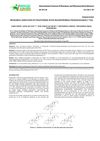
November 2017 in “International Journal of Pharmacy and Pharmaceutical Sciences” This study identified new oxidative derivatives of finasteride, including a newly discovered metabolite, by using the fungus Macrophomina phaseolina.
60 citations
,
August 2005 in “Endocrinology” This study suggests that αMSH may play a regulatory role in human dermal papilla cells, potentially influencing immune and inflammatory responses in hair follicles, which could contribute to inflammatory alopecia.
20 citations
,
January 2002 in “Laboratory Animals” This study identified a compound heterozygous mutation in a hairless rhesus macaque, which was associated with skin abnormalities similar to those in hairless mice and humans with APL.
 February 2026 in “Journal of Sylva Indonesiana”
 This study found that the heartwood extract of Avicennia marina demonstrated strong antioxidant activity, with an IC50 value of 61.50 µg/mL, suggesting potential for development into supplements or topical applications targeting degenerative diseases related to oxidative stress.
September 2015 in “Journal watch” Triamcinolone acetonide injections help regrow hair in alopecia areata patients.
 June 2025 in “Current Issues in Molecular Biology”
 In this laboratory study, Cucumis melo var. makuwa leaf extract significantly reduced DHT-induced apoptosis in human dermal papilla cells by modulating androgen receptor activity and gene expression, suggesting potential as a therapy for androgenetic alopecia.