January 2021 in “The Korea Journal of Herbology” This study suggests that Achyranthis Radix ethanol extract may promote hair growth by increasing cell proliferation and protein expression in human hair dermal papilla cells.
April 2026 in “World Allergy Organization Journal” This study found that allergic rhinitis is linked to a higher risk of developing androgenetic alopecia, while second-generation H1-antihistamine use was associated with a reduced risk, especially in younger patients.
 3 citations
,
June 2023 in “Journal of cosmetic dermatology”
3 citations
,
June 2023 in “Journal of cosmetic dermatology” This study reported improvement in an 11-year-old boy with refractory alopecia areata after 4 months of treatment with oral abrocitinib, a JAK1 inhibitor, suggesting it may be a potential alternative for pediatric patients unresponsive to conventional therapies.
23 citations
,
October 2008 in “Journal of medicinal chemistry” This study suggests that PF-0998425 is an effective androgen receptor antagonist for sebum control and androgenetic alopecia with rapid metabolism reducing the risk of systemic side effects.
![Activity of 17β-(N-Alkyl/Arylformamido) and 17β-[(N-Alkyl/Aryl) Alkyl/Arylamido]-4-Methyl-4-Aza-5α-Androstan-3-Ones as 5α-Reductase Inhibitors in the Hamster Flank Organ and Ear](/images/assets/861159f1-7bd4-420c-a16b-4829458efe68/small/15592.jpg) 10 citations
,
August 1998 in “Journal of Investigative Dermatology”
10 citations
,
August 1998 in “Journal of Investigative Dermatology” This study observed that the compound EM-402 reduced 5α-reductase activity and sebaceous gland size in the flank organs and ears of hamsters, indicating potent localized anti-androgenic effects without systemic action.
 2 citations
,
October 2020 in “Journal of Investigative Dermatology Symposium Proceedings”
2 citations
,
October 2020 in “Journal of Investigative Dermatology Symposium Proceedings” This study reports promising preliminary trends in the safety and efficacy of a botanical drug candidate for pediatric alopecia areata, but conclusive results are not yet available.
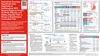 November 2025 in “SKIN The Journal of Cutaneous Medicine”
 This phase 3 trial found that over 50% of adolescents with severe alopecia areata achieved successful hair regrowth after 52 weeks on baricitinib 4-mg, with no new safety concerns reported compared to existing safety profiles.
 26 citations
,
October 2011 in “International Journal of Biological Macromolecules”
26 citations
,
October 2011 in “International Journal of Biological Macromolecules” This study found that some synthesized heterocyclic derivatives showed promising 5α-reductase inhibitor, antiviral, and anti-tumor activities, surpassing several reference drugs in effectiveness.
 March 2026 in “International Journal of Dermatology and Venereology”
 This study found that abrocitinib showed promising efficacy and safety in adolescents with moderate-to-severe alopecia areata, with significant hair regrowth observed over 10 months of treatment.
129 citations
,
January 2004 in “Journal of medicinal chemistry” This study synthesized nonsteroidal ligands as second-generation androgen receptor agonists and identified three compounds with significant anabolic activity and moderate to minimal androgenic activity in vivo.
July 2021 in “Faculty of 1000 Research Ltd” This review discusses the potential of phytochemicals from plants as alternative treatments for prostate cancer, highlighting their possible benefits over current 5-alpha-Reductase inhibitors, but reports no new findings.
4 citations
,
July 2025 in “International Journal of Molecular Sciences” This review discusses Amphiregulin (AREG) as a potential target for treating fibrotic disorders and cancer, highlighting its role in disease progression and promising results in preclinical studies and early trials.
 196 citations
,
September 2016 in “JCI insight”
196 citations
,
September 2016 in “JCI insight” This study explored the effectiveness of the oral JAK1/2 inhibitor ruxolitinib in treating patients with moderate-to-severe alopecia areata, building on prior success with JAK inhibitors in mice, but results are not reported in this abstract.
 89 citations
,
February 1993 in “Journal of Medicinal Chemistry”
89 citations
,
February 1993 in “Journal of Medicinal Chemistry” This research article focuses on nonsteroidal inhibitors of human type I steroid 5-alpha-reductase but reports no new results.
This study found that 1′S-1′-acetoxychavicol acetate from Alpinia galanga inhibits Nox isozymes and suppresses testosterone-induced hair loss in a mouse model of androgenetic alopecia.
January 2021 in “대한본초학회지(본초분과학회지)” In this study, Achyranthis Radix ethanol extract increased cell proliferation and hair growth-related protein expression in human hair dermal papilla cells, suggesting potential as a hair growth supplement.
 November 2024 in “SKIN The Journal of Cutaneous Medicine”
 This study found that ritlecitinib, taken daily, led to scalp, eyebrow, and eyelash hair regrowth in patients aged 12 and older with severe and very severe alopecia areata over a 24-month period.
 3 citations
,
August 2020 in “Cutaneous and Ocular Toxicology”
3 citations
,
August 2020 in “Cutaneous and Ocular Toxicology” This study demonstrated that adenosine triphosphate may prevent vandetanib-induced skin toxicity in rats, suggesting potential for further research in other animal models and humans.
This study found that RXR and RAR proteins were detectable in normal human skin, suggesting they may play a role in epidermal cell differentiation and hair and gland physiology.
 22 citations
,
October 2001 in “Biochemical Pharmacology”
22 citations
,
October 2001 in “Biochemical Pharmacology” This study found that GI198745 acts as a time-dependent inhibitor of rat 5α-reductase type 2 but a rapid-equilibrium inhibitor of type 1, potentially making it more effective than finasteride in preventing rat prostate growth.
 February 2025 in “Biomolecules”
 This study found that activation of RORA significantly promotes the level of autophagy in rat hair follicle stem cells, suggesting a potential target for research on hair follicle development and treatments for conditions like alopecia.
 June 2026 in “Zenodo (CERN European Organization for Nuclear Research)”
 In this study, quercetin and kaempferol, two plant-derived flavonoids, showed stronger binding affinities to JAK3 kinase and moderate binding to 5-alpha reductase type 2, suggesting their potential as natural treatments for androgenetic alopecia, with quercetin demonstrating suitable properties for topical application.
 January 2026 in “Zenodo (CERN European Organization for Nuclear Research)”
 This study reports the discovery of LX-38, a novel non-steroidal drug candidate that may offer safer treatment for conditions like Benign Prostatic Hyperplasia by avoiding hormonal side effects associated with current therapies.
 7 citations
,
January 2022 in “Plants”
7 citations
,
January 2022 in “Plants” This study found that extracts from the rice variety Bue Bang 3 CMU, particularly the husk and bran, demonstrated antioxidant, anti-inflammatory, and anti-androgenic properties, suggesting potential use in treating androgenetic alopecia.
32 citations
,
January 2012 in “Chinese Medicine” In this study, a hydro-alcoholic extract of Urtica dioica demonstrated in vitro antioxidant activity, potentially linked to its ferulic acid content.
June 2024 in “Current Developments in Nutrition” In this study, KeraGLO, a nutritional supplement with hydrolyzed keratin, was shown to significantly improve skin wrinkle depth, smoothness, moisture, firmness, and hair health in healthy adult females over a 90-day period at both 500mg and 1000mg doses compared to baseline.
 April 2024 in “Expert opinion on emerging drugs”
 In this research review, the authors note that while topical minoxidil and oral finasteride are FDA-approved treatments for male androgenetic alopecia, some patients experience inadequate responses or side effects, prompting exploration of alternative therapies like newer 5-α reductase inhibitors and androgen receptor antagonists.
July 2026 in “Journal of Medicinal Chemistry” In this study, candidate compound 39 demonstrated potent androgen receptor antagonism and faster hair-growth efficacy in a mouse model compared to pyrilutamide, while maintaining favorable safety and pharmacokinetic profiles, suggesting potential for topical use in androgenic alopecia.
5 citations
,
January 2016 in “International Journal of Trichology” This case report describes two patients who experienced loose anagen hairs and pili torti, resulting in nonscarring alopecia, potentially linked to erlotinib treatment for solid tumors.
 July 2024 in “Age and Ageing”
 In this retrospective, population-based cohort study, researchers found no significant difference in age-related macular degeneration incidence between BPH patients using 5α-reductase inhibitors and those on tamsulosin, but observed a slight increased risk with dutasteride compared to finasteride.